






How to Choose the Right Mop
The mop market today offers a dizzying array of options. With so many choices available, it can actually be difficult to make a decision. After all, if a mop lacks sufficient absorbency, the floor will remain damp after cleaning; unless you wait a while for it to dry, walking on it becomes tricky—not only is there a risk of slipping, but you also end up leaving footprints everywhere. The following suggestions are offered merely for your reference.
Standard Mops (Made of Cotton Yarn, Cotton Strips, or Non-Woven Fabric Strips):
These represent the most traditional type of mop available. They are inexpensive, and—if you are so inclined—you can easily make one yourself at any time. Cotton-based materials perform best when relatively dry; more specifically, they demonstrate their true advantages when used on wooden floors. However, once a cotton mop head becomes damp, it becomes very difficult to remove any hair or lint clinging to it. As you wipe one section of the floor and move on to the next, the residue on the mop head will leave streaks or dark smudges that are hard to wipe away cleanly. Furthermore, small bits of debris and lint tend to stick to the mop head, only to be redeposited onto the floor during the next pass, necessitating a follow-up sweeping session. Therefore, it is best to use cotton mops for dry cleaning whenever possible. Additionally, it is highly recommended that you sweep up any loose hair or use a vacuum cleaner to thoroughly clean the floor *before* you begin mopping.
Microfiber Mops:
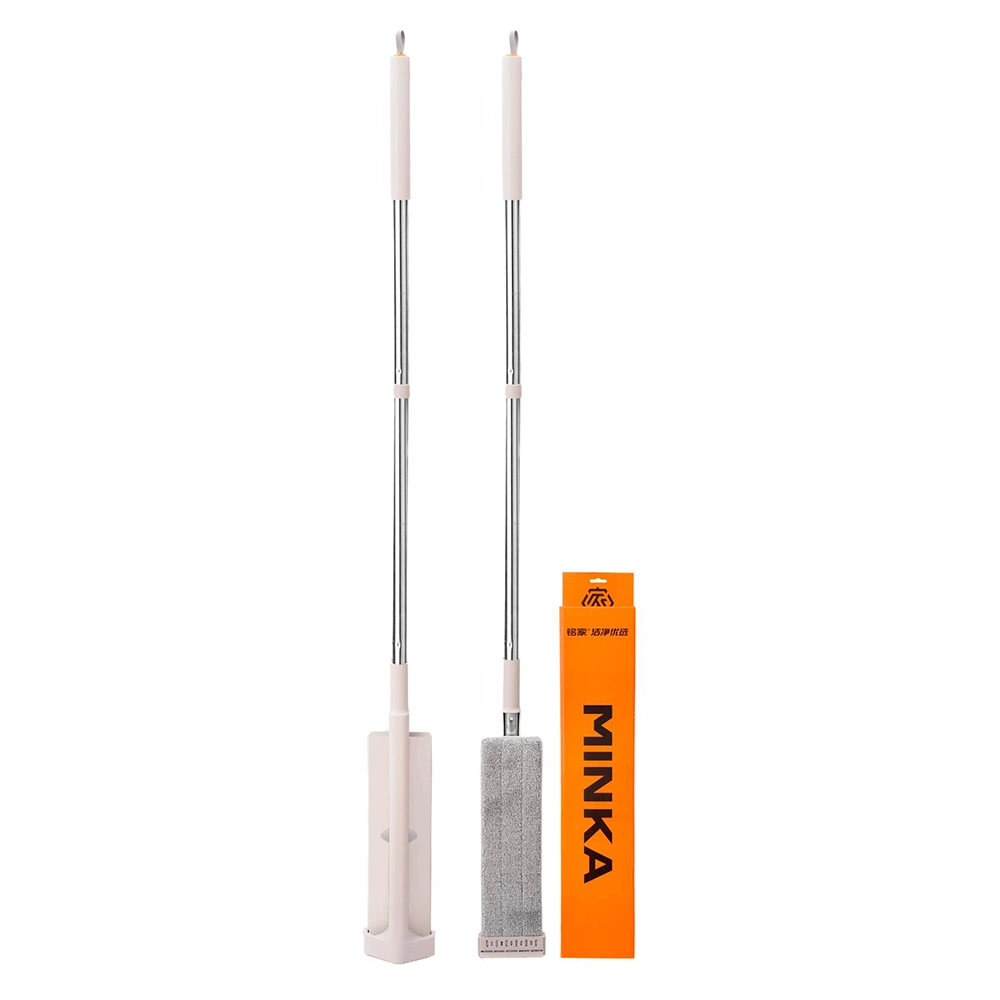
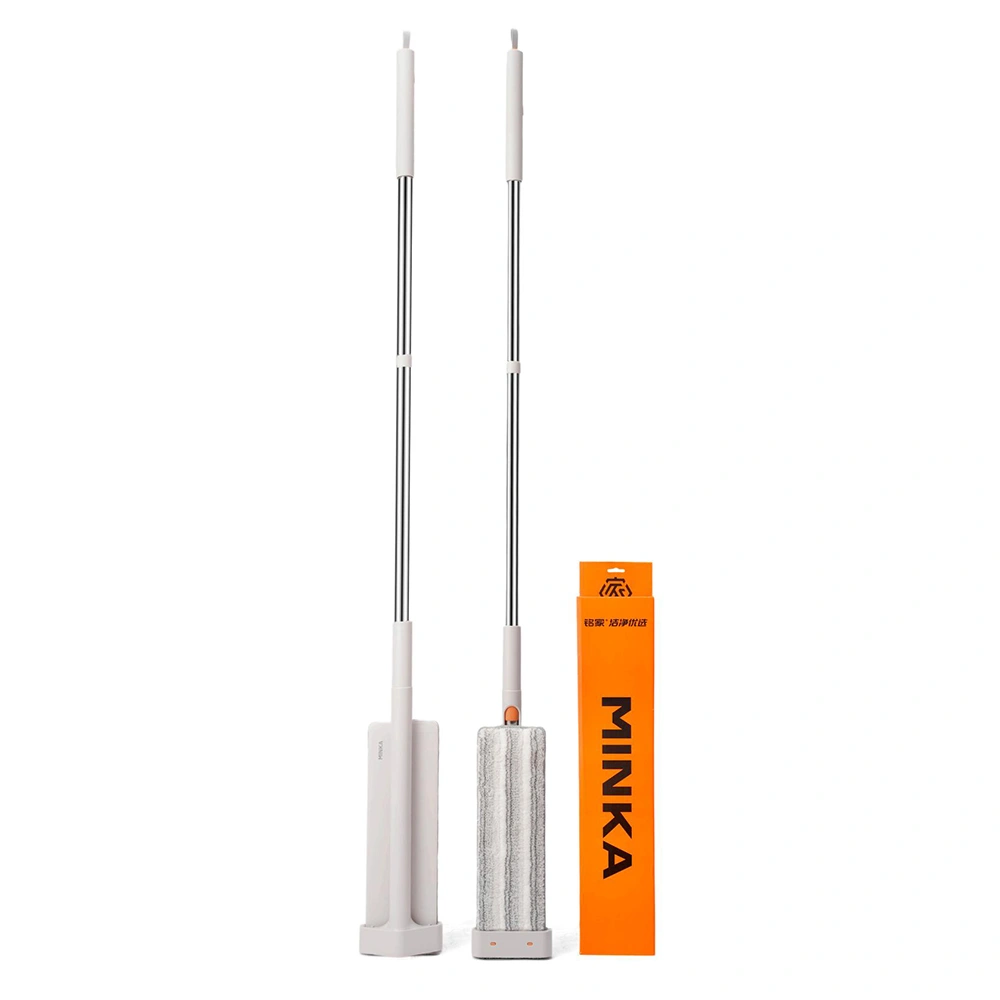
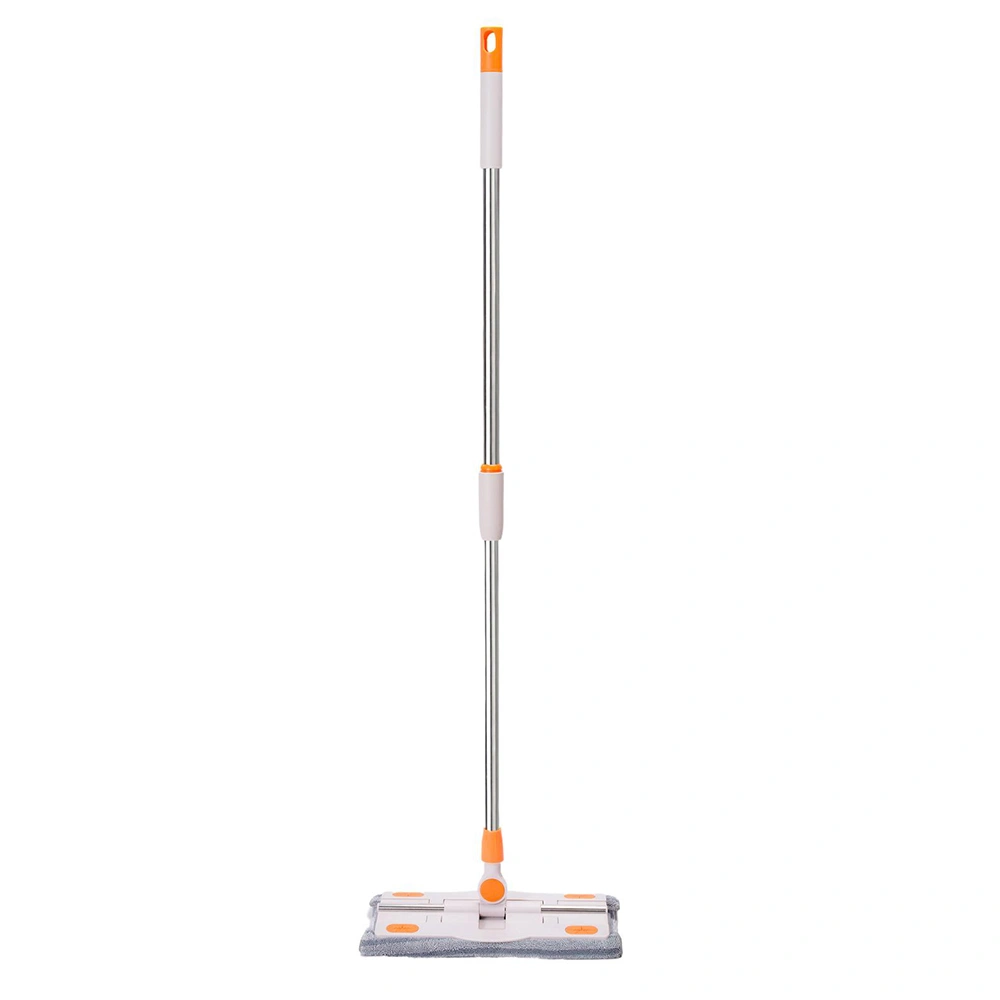
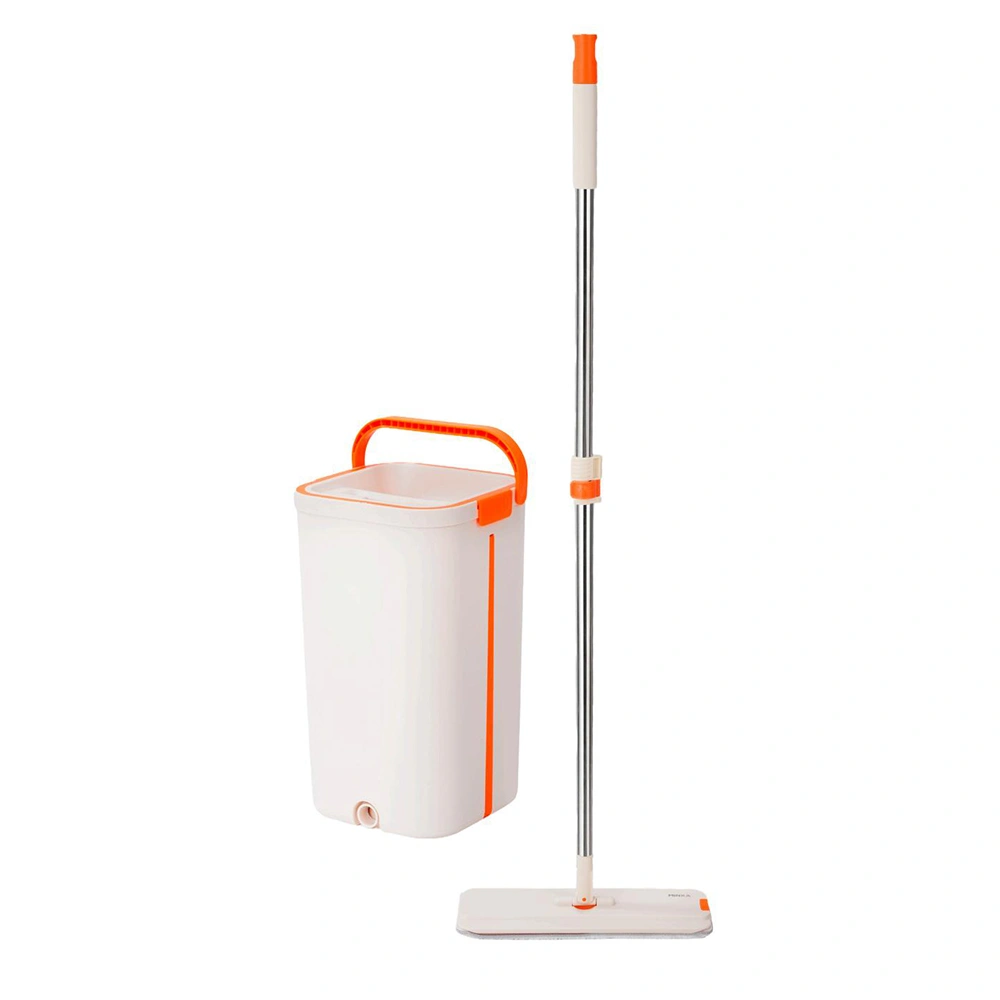
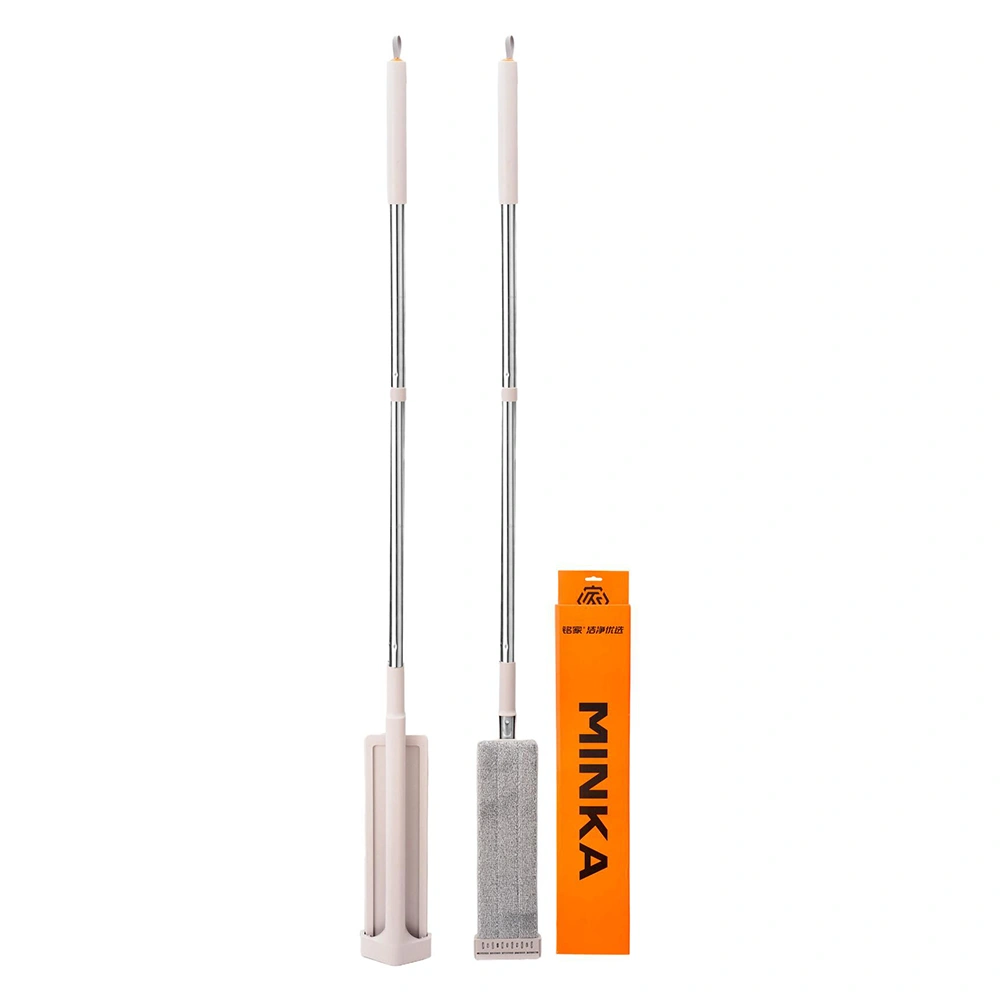
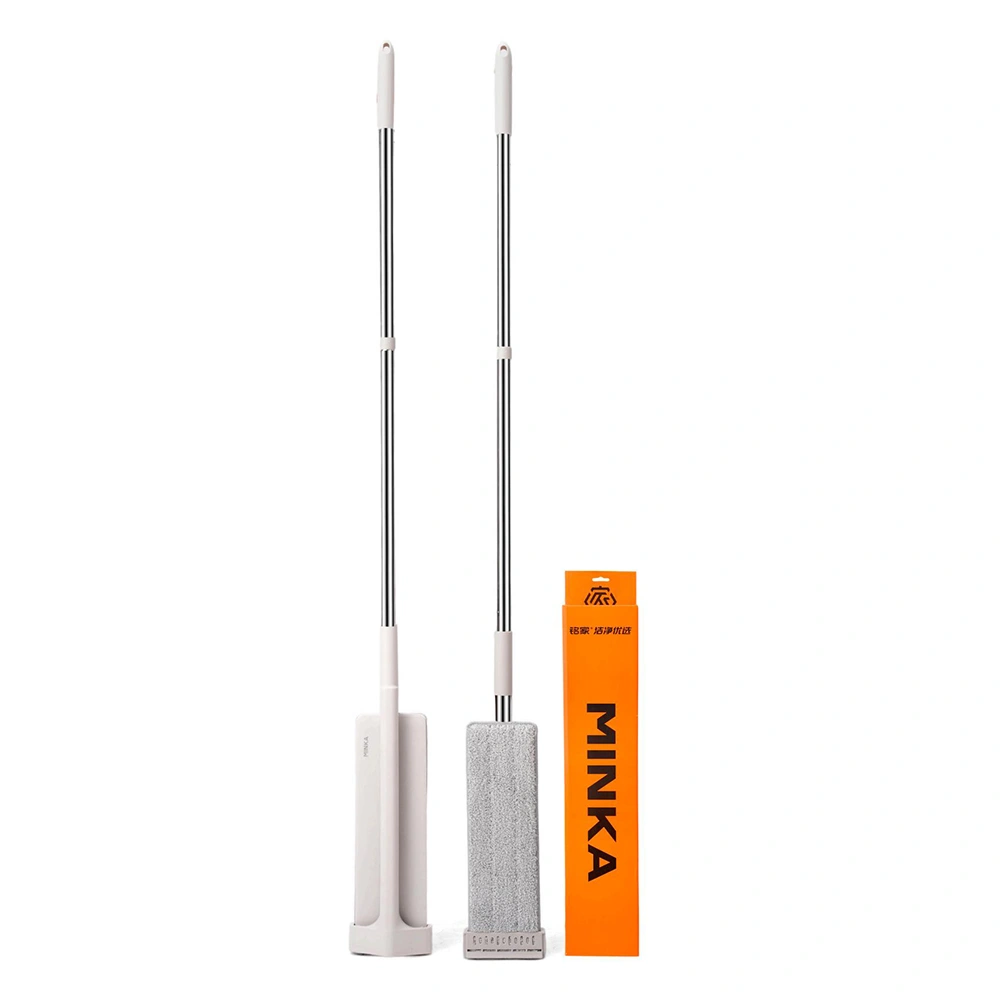
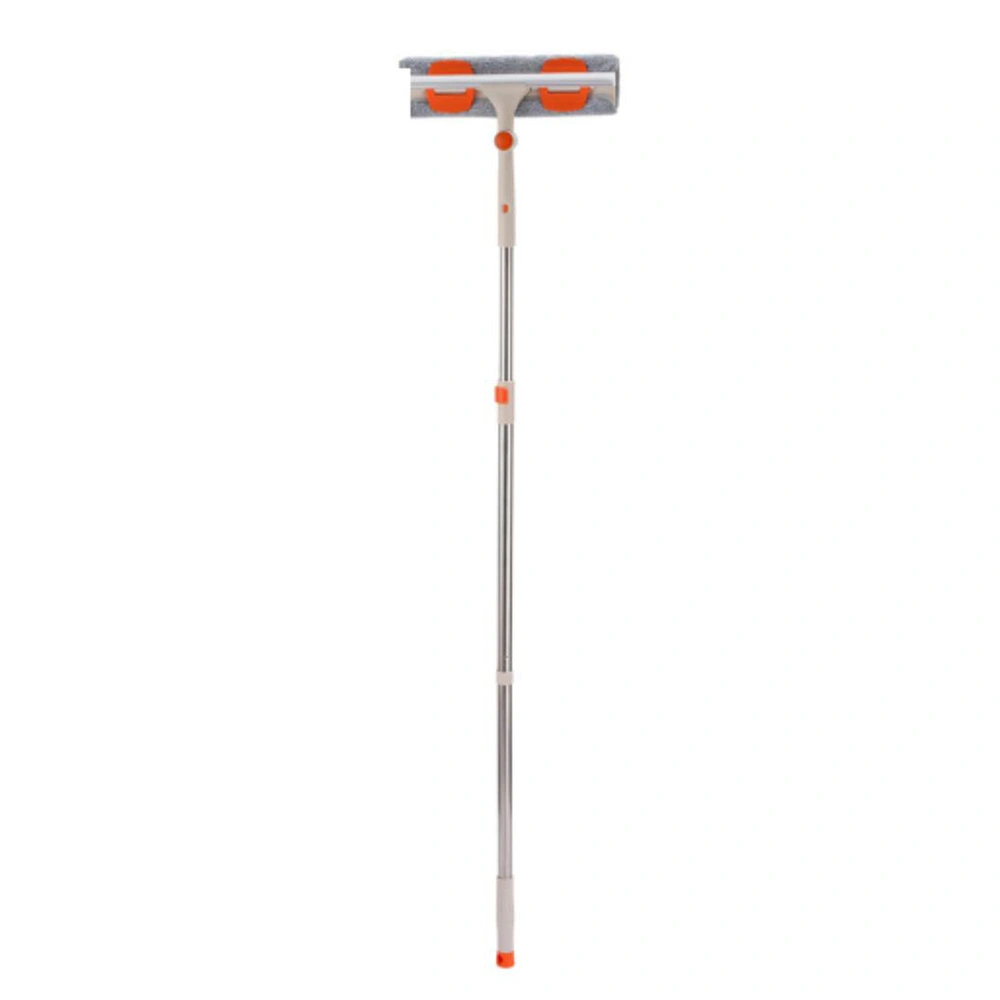
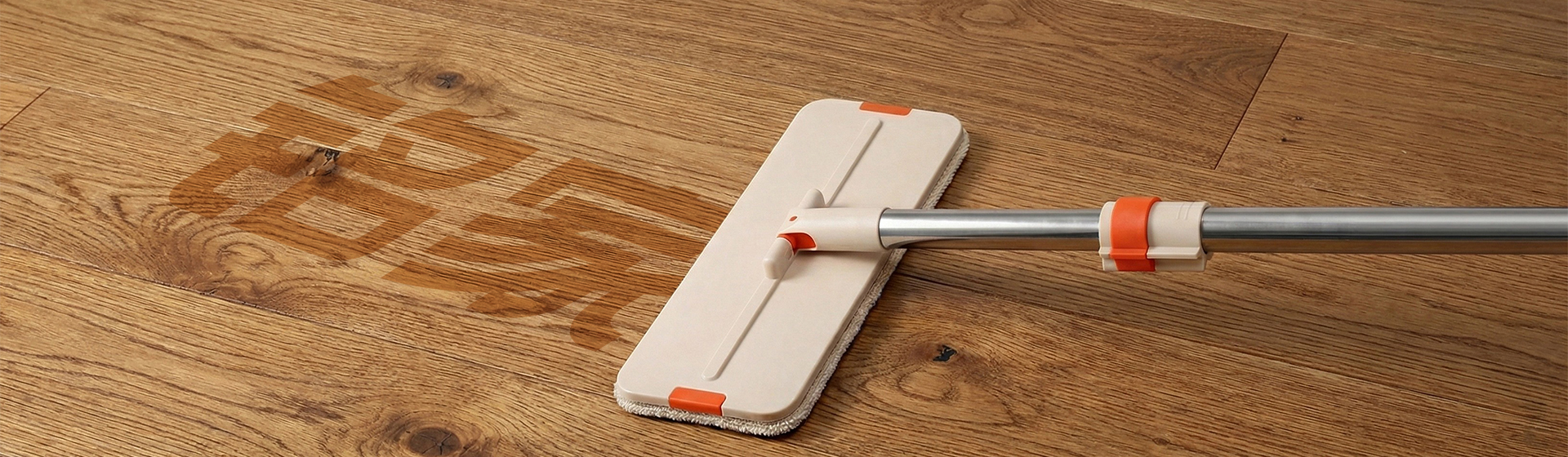
Microfiber mops tend to be more expensive due to the specialized manufacturing processes involved in their production. Unlike traditional mops, which make contact with the floor via parallel strands, the flat-panel design of a microfiber mop head allows for full, perpendicular contact with the floor surface. Because it establishes such "intimate contact" with the floor, the resulting friction generates static electricity, enabling the mop to more thoroughly extract dirt and debris from cracks and crevices. It cleans the floor effectively with virtually no surface abrasion and can even be used for polishing and waxing. However, the microfiber mop head covers must be washed—either by hand or in a washing machine—to keep them clean. Additionally, the flat-panel design allows for the repurposing of discarded items, such as old towels or worn-out clothing, as makeshift mop covers.
Microfiber mop heads typically come in four distinct styles: zippered pouch covers, fold-and-clip pouch covers, butterfly-style fabric clamps, and Velcro-style fasteners.
Some customers may find that when using a microfiber mop for dry cleaning—particularly with a standard microfiber cloth cover—it feels difficult to push across the floor, creating a sensation of excessive drag or friction. Here is a simple solution: dampen the mop cover slightly—do *not* soak it completely through—and you will find that it glides across the floor with ease. The result is a highly satisfying cleaning experience where the floor dries almost instantly as you wipe. Suitable for: Homes, factory clean zones, hotels, and other environments with specific cleaning requirements.
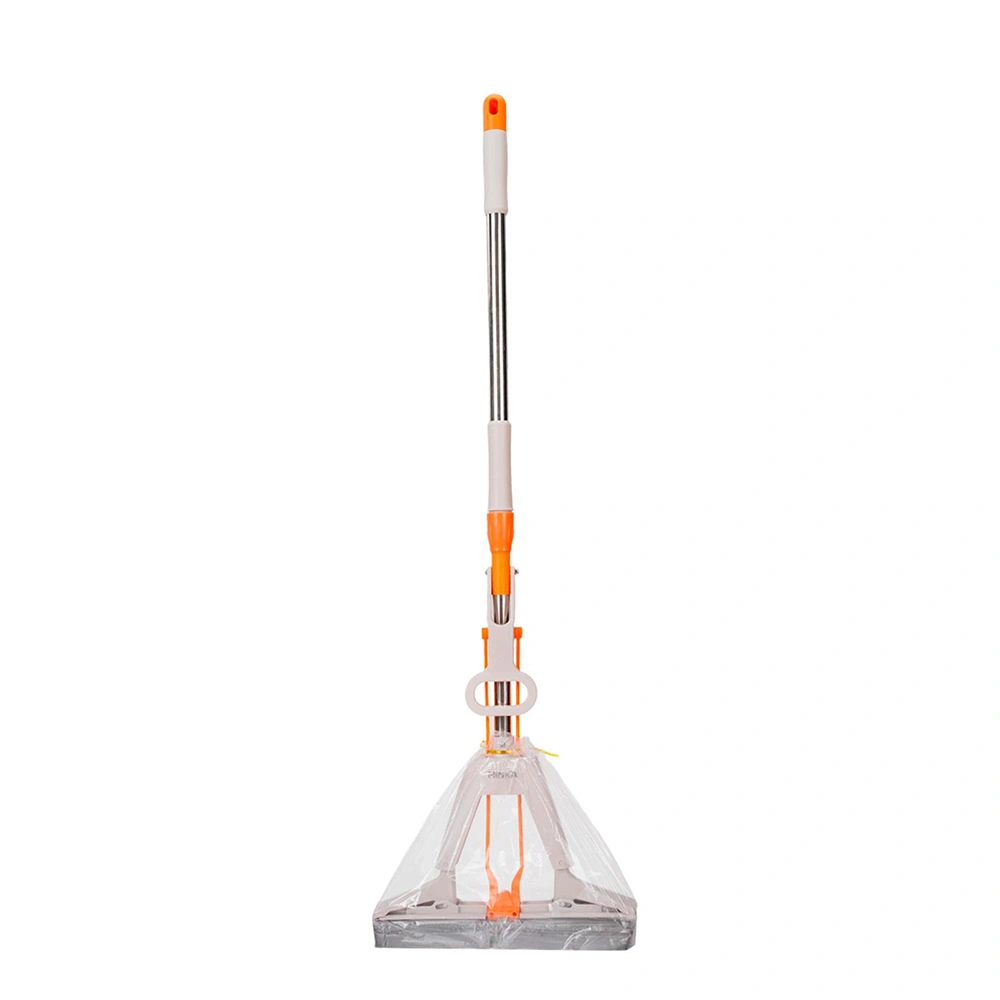
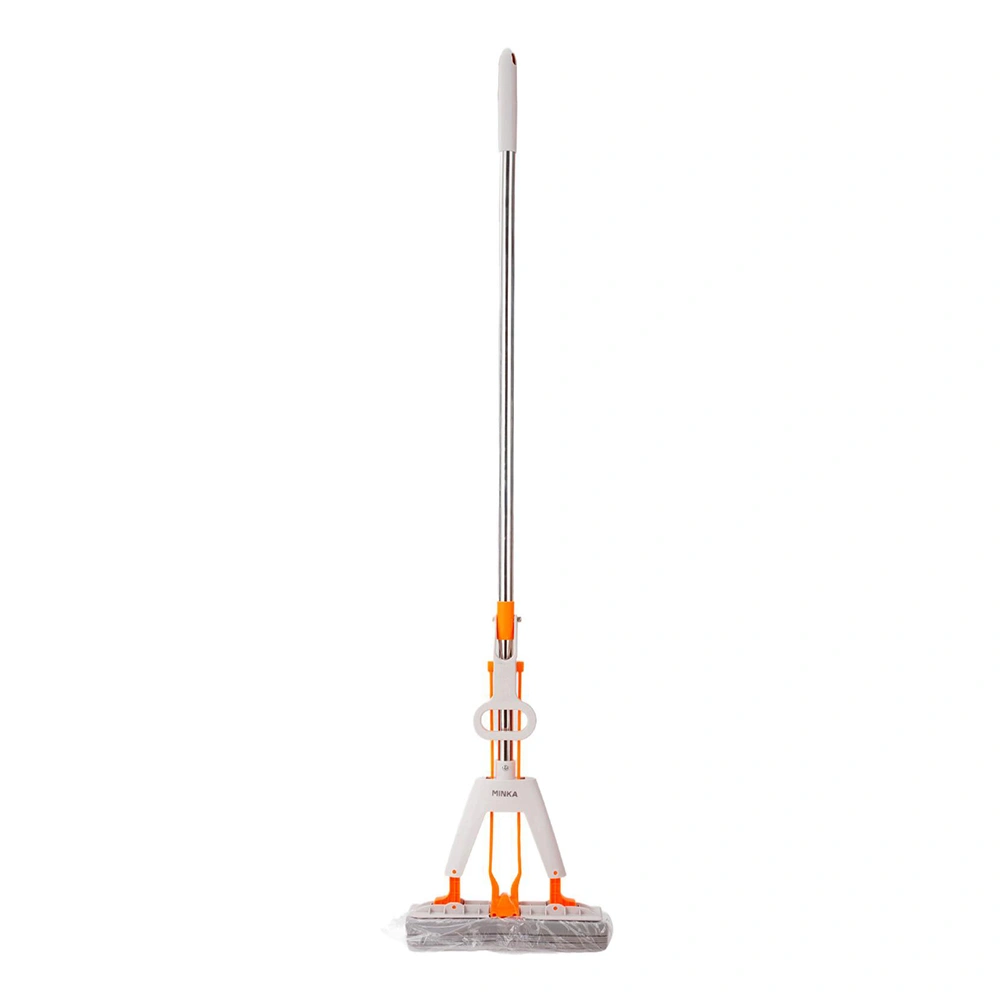
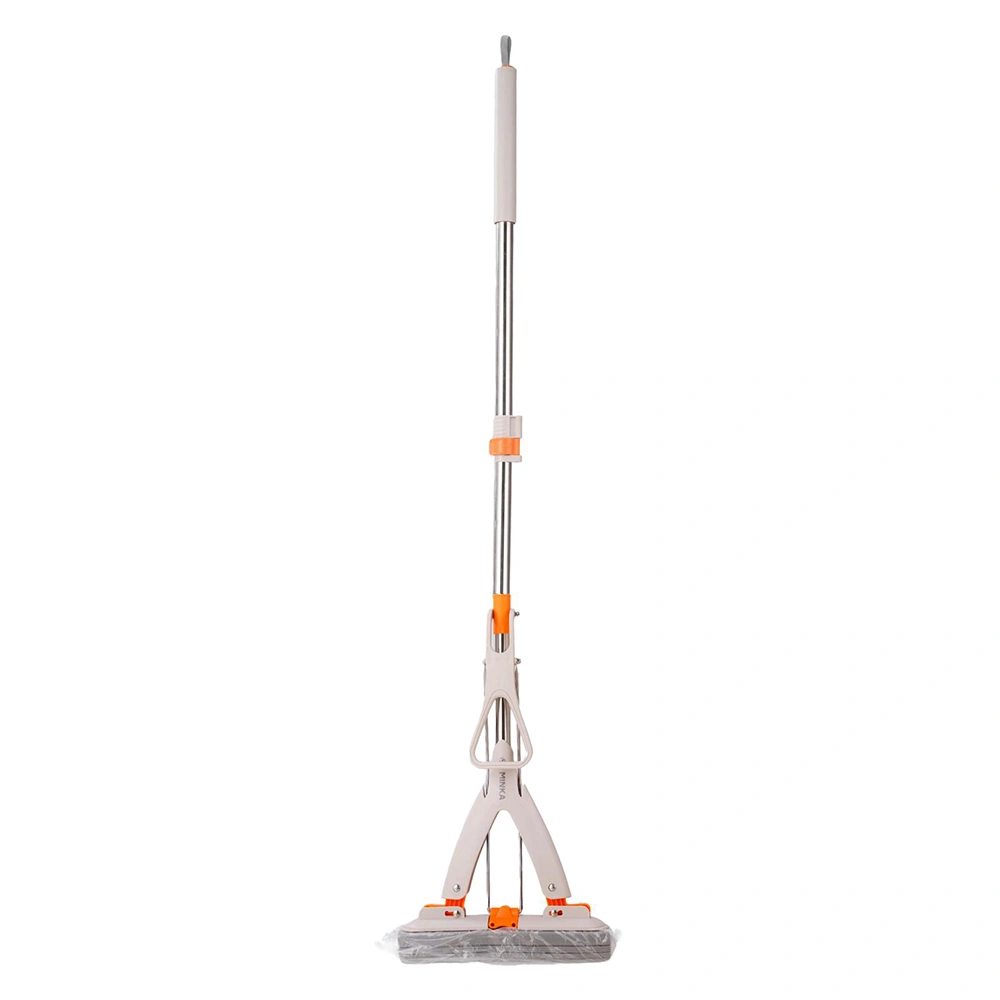
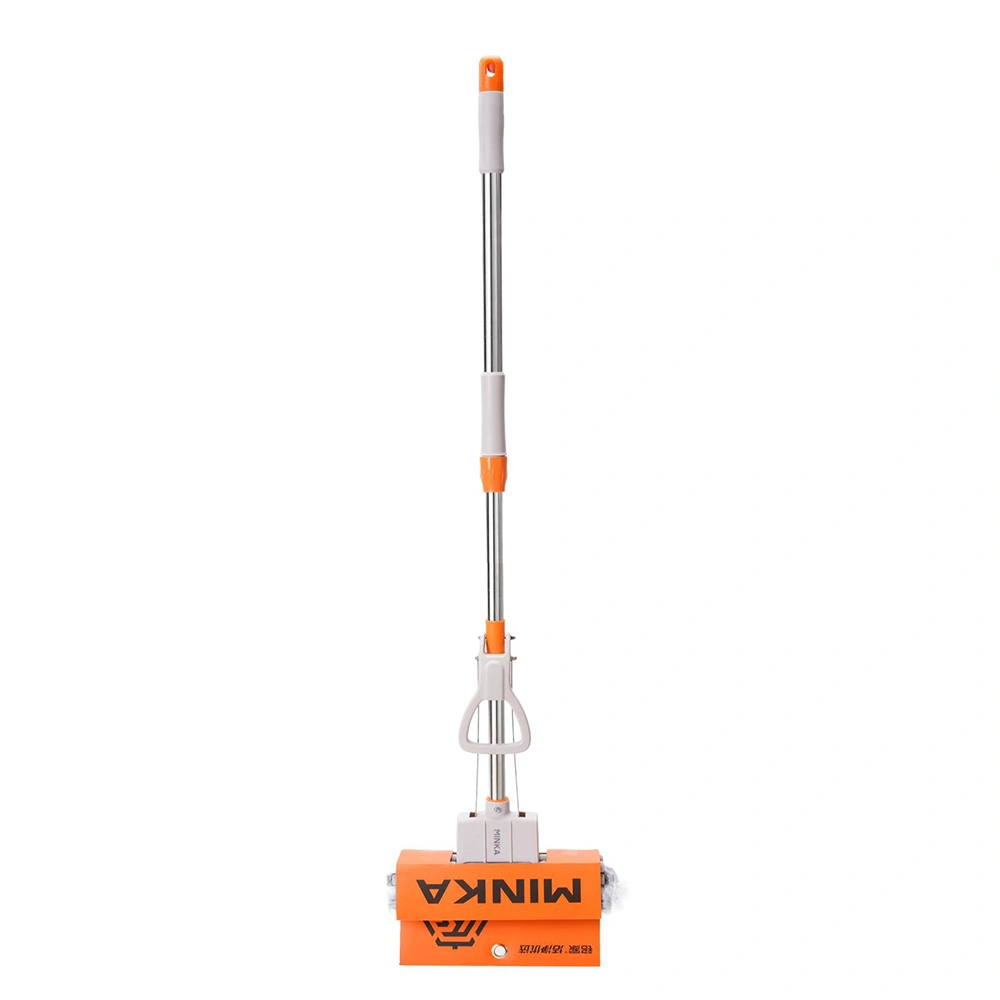
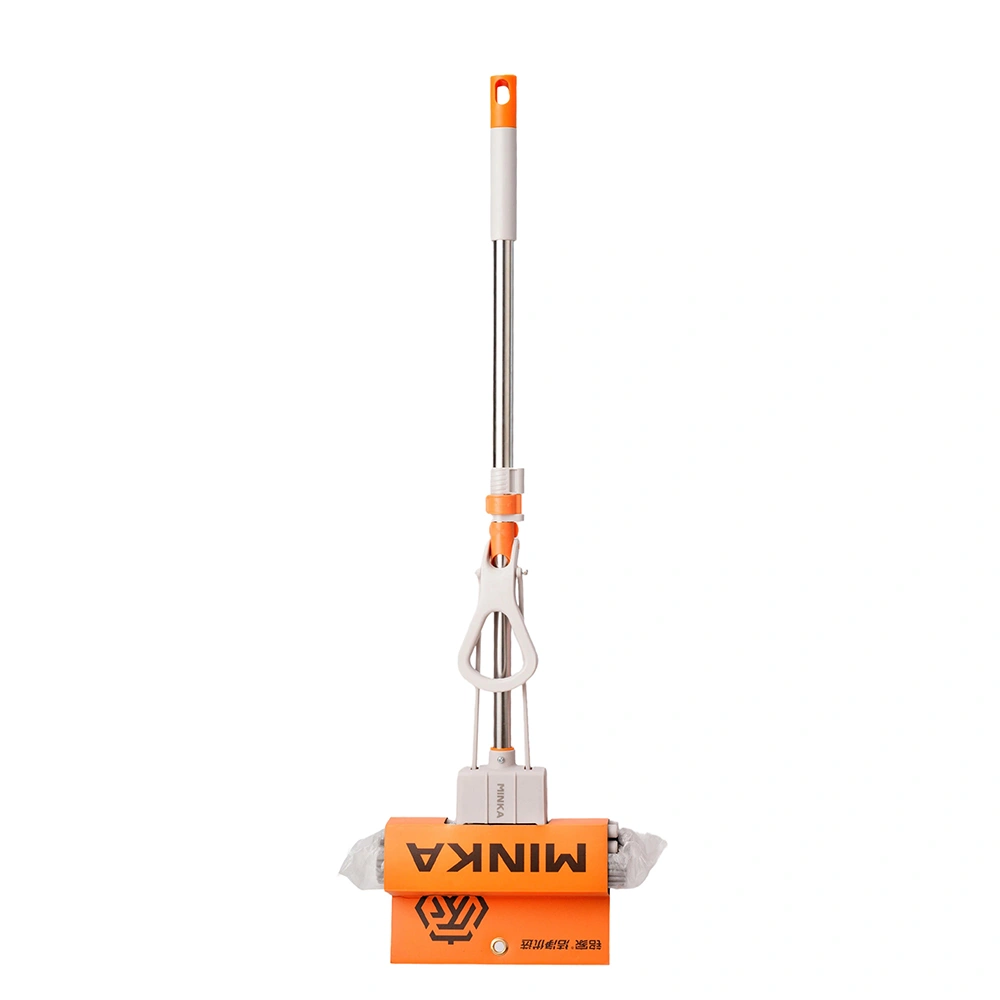
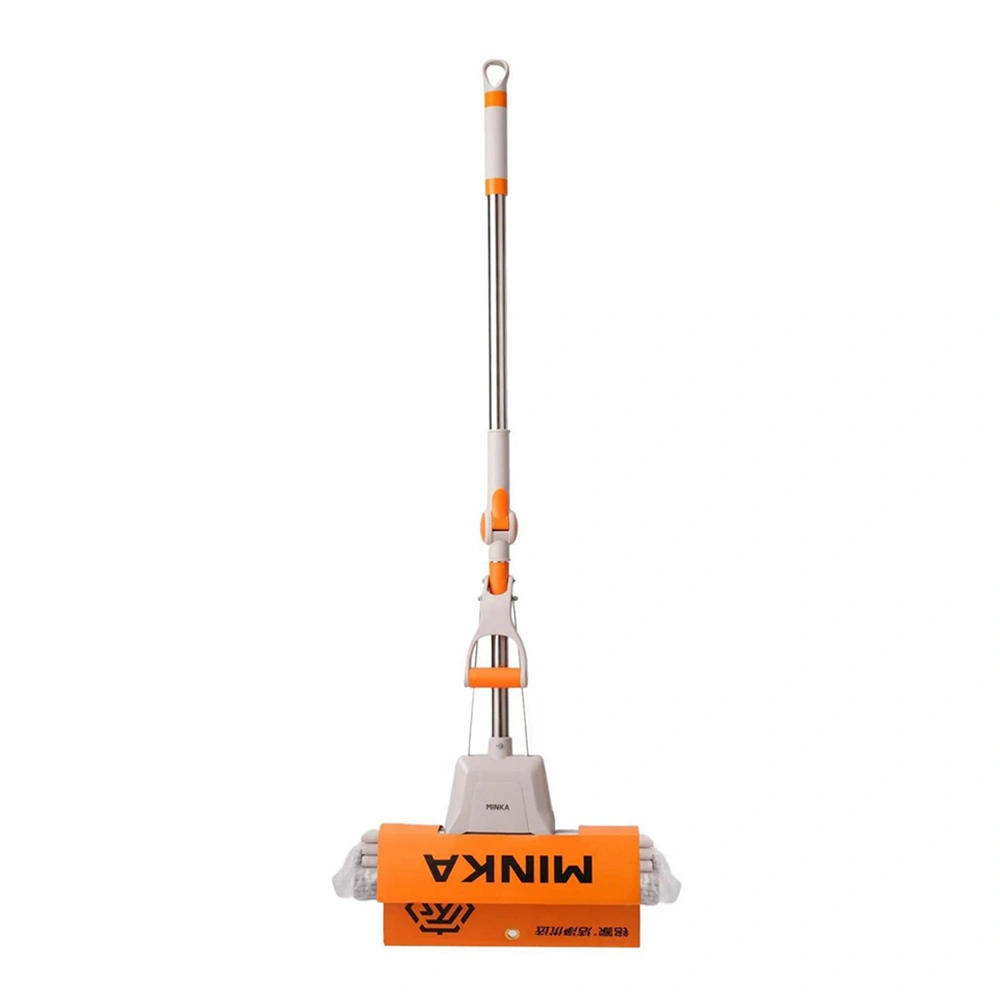
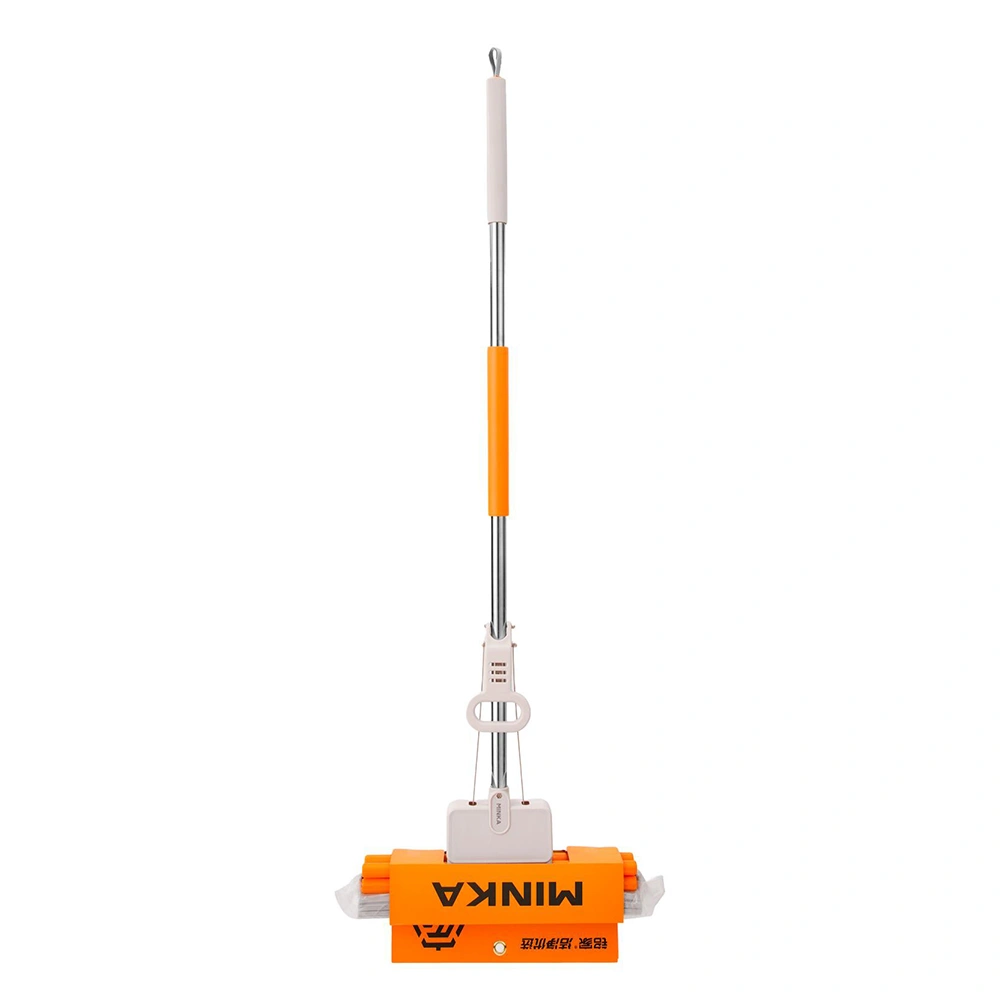
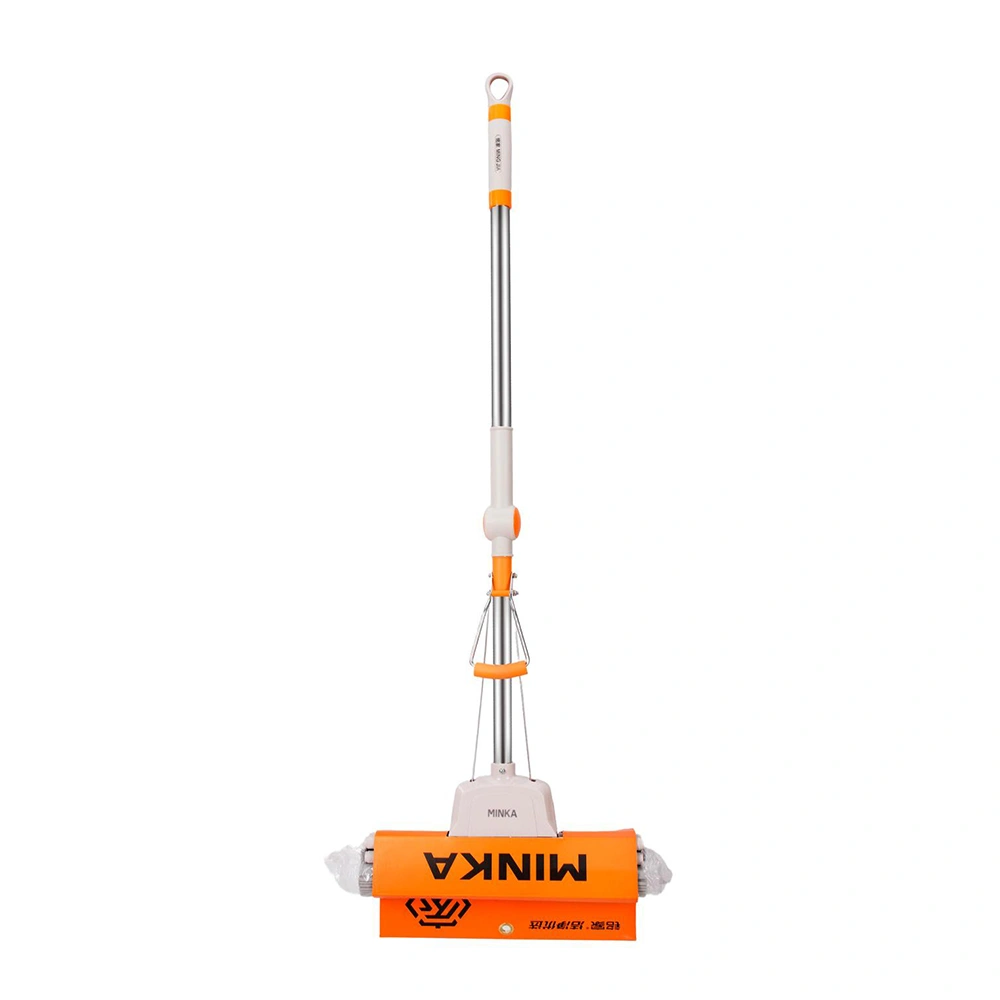
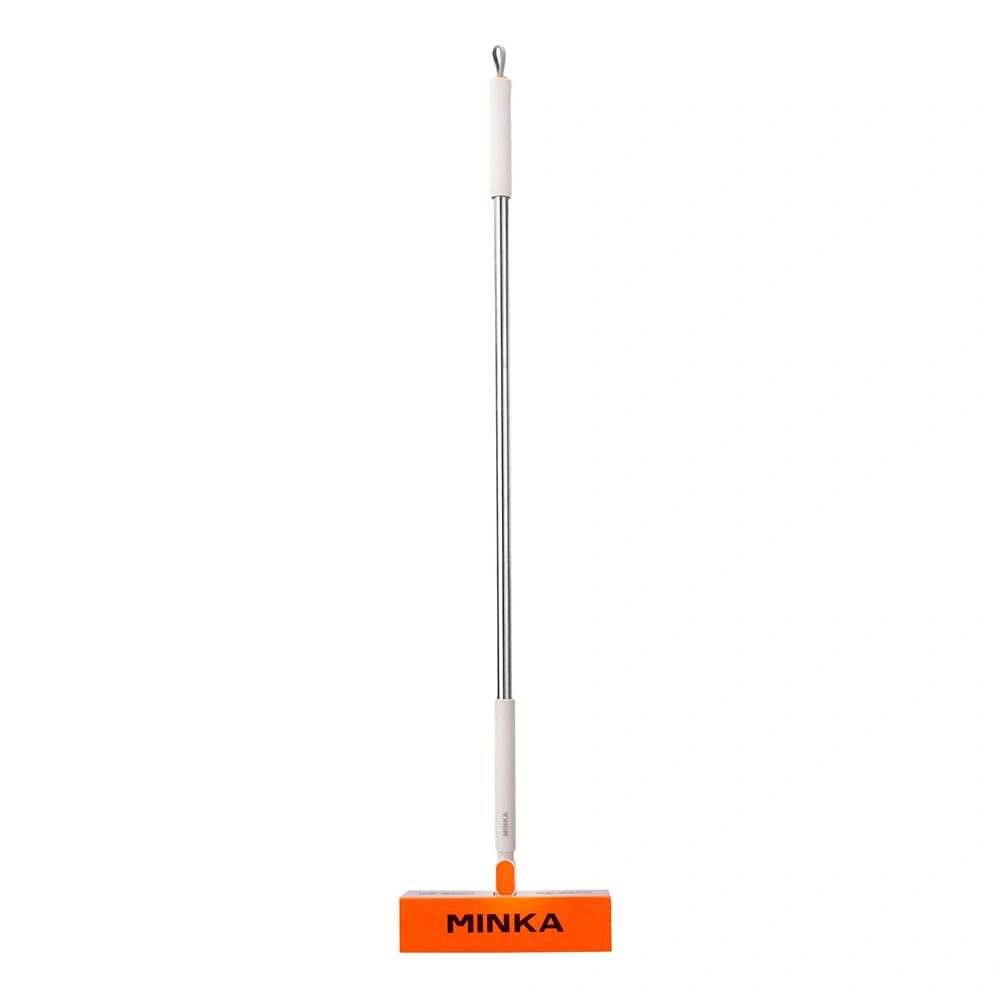
Sponge Mops
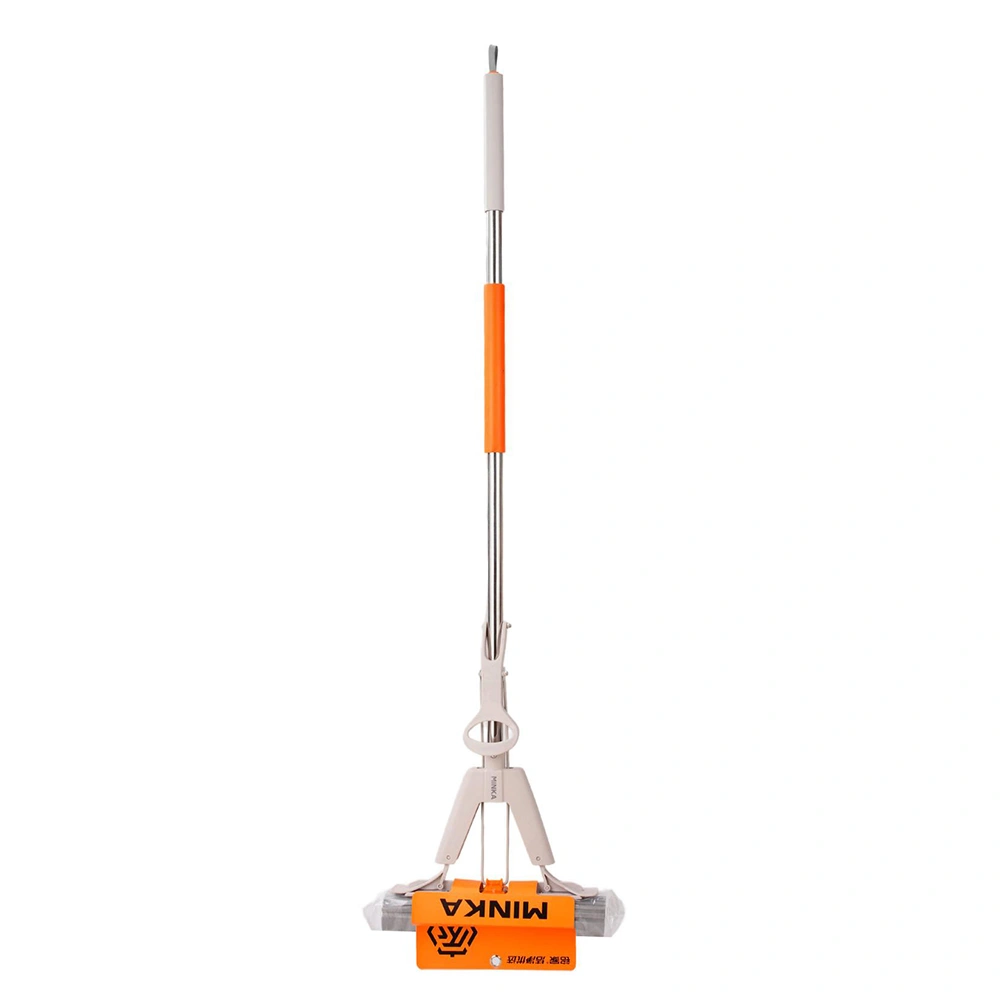
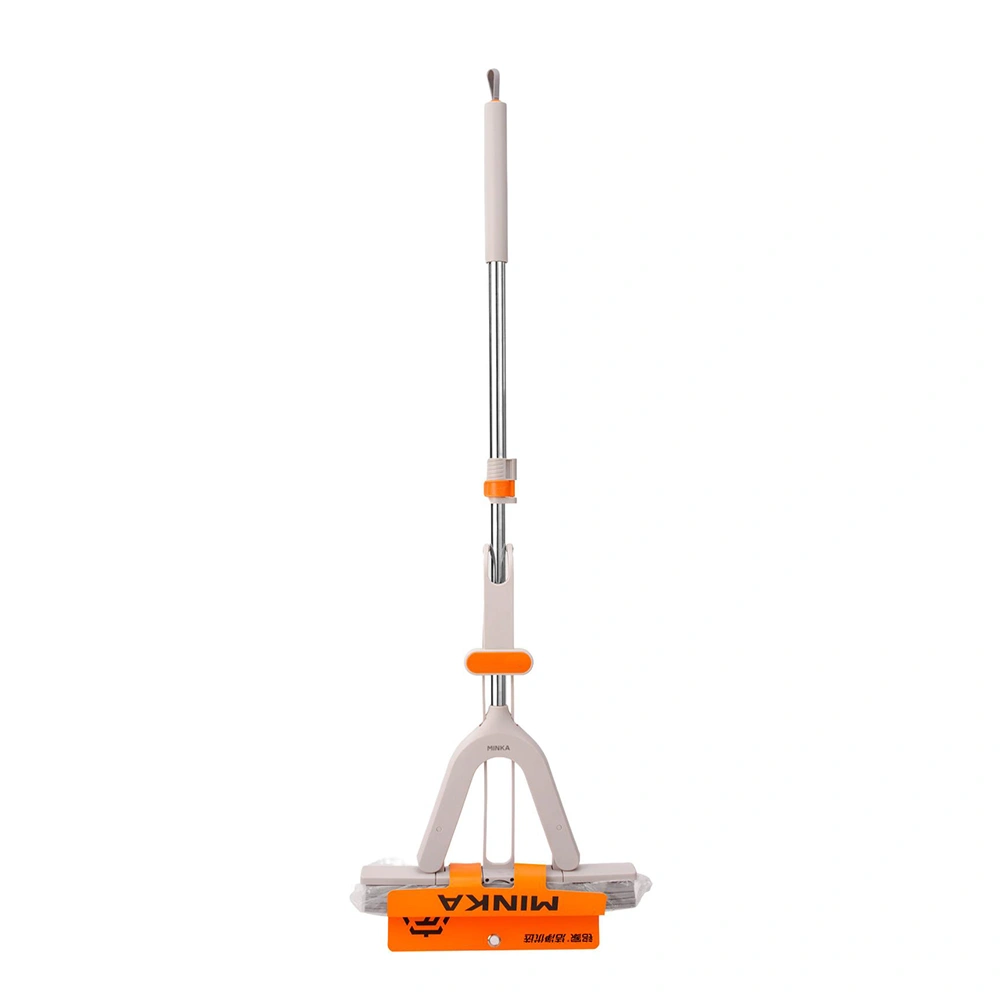
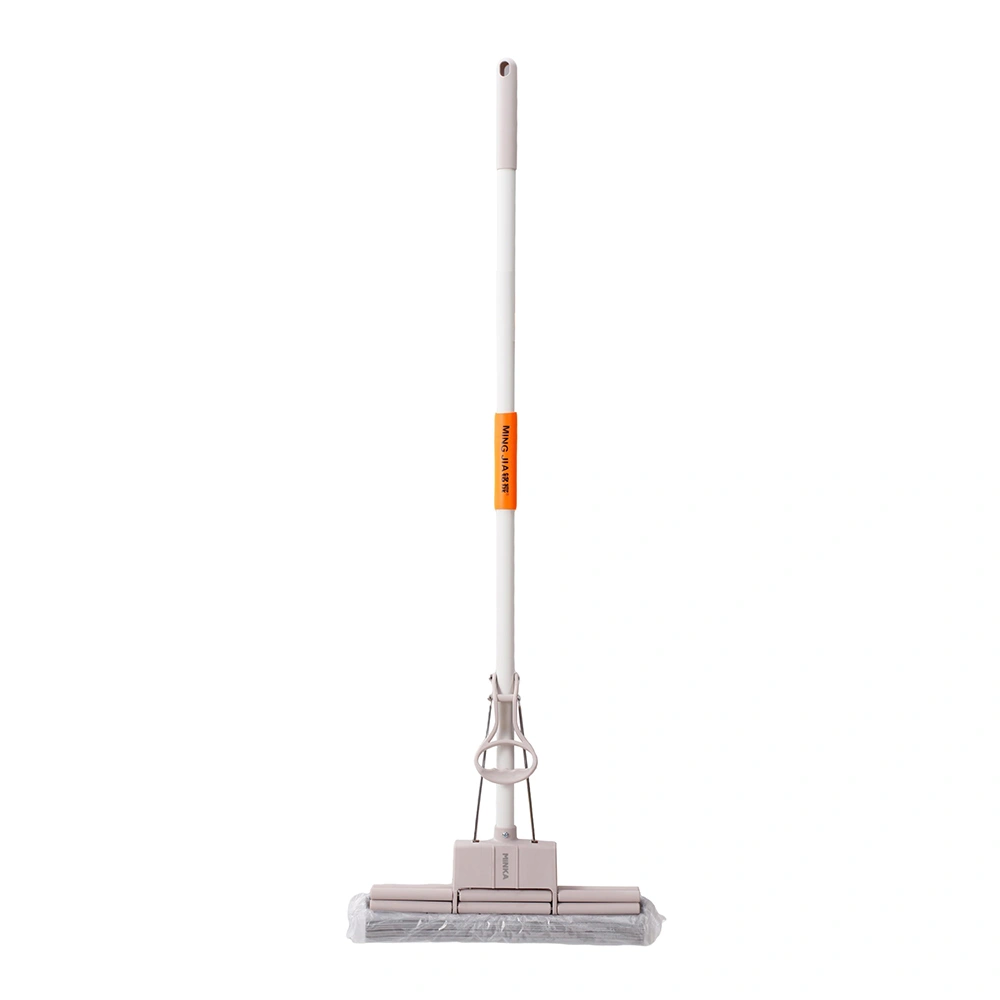
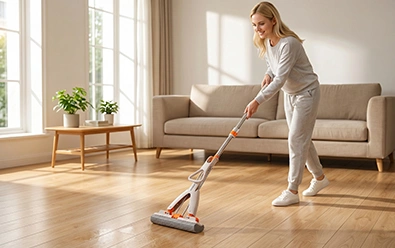
Sponge mops possess strong water absorption capabilities, meaning you can skip sweeping before mopping. Through the interplay of air convection and friction, they generate static electricity that effectively picks up dust, sand, and hair without damaging floor surfaces. When in use, your hands remain free of water and grime, making for a simple and hygienic cleaning experience. This is particularly advantageous when it comes to replacing the mop head itself, which is both economical and cost-effective.
Disadvantages: Due to the shape of the sponge head (typically rectangular or strip-like), it can be difficult to clean effectively within narrow crevices.
Sponge materials boast excellent adsorption properties. Any debris—such as hair or lint—that adheres to the mop can be completely rinsed away with a quick pass through water, leaving the mop head spotless once again. However, precisely because of this strong adsorption power, sponge mops require frequent rinsing; if not rinsed thoroughly, they may leave streaks or residue on the floor.
Suitable for: Home kitchens, bathrooms, and households with infants (for absorbing spills such as urine). Also ideal for environments that are frequently damp or prone to standing water—such as shower rooms, hotel kitchens, etc.



 浙公网安备33078402101488号