






Basic Knowledge About Mops
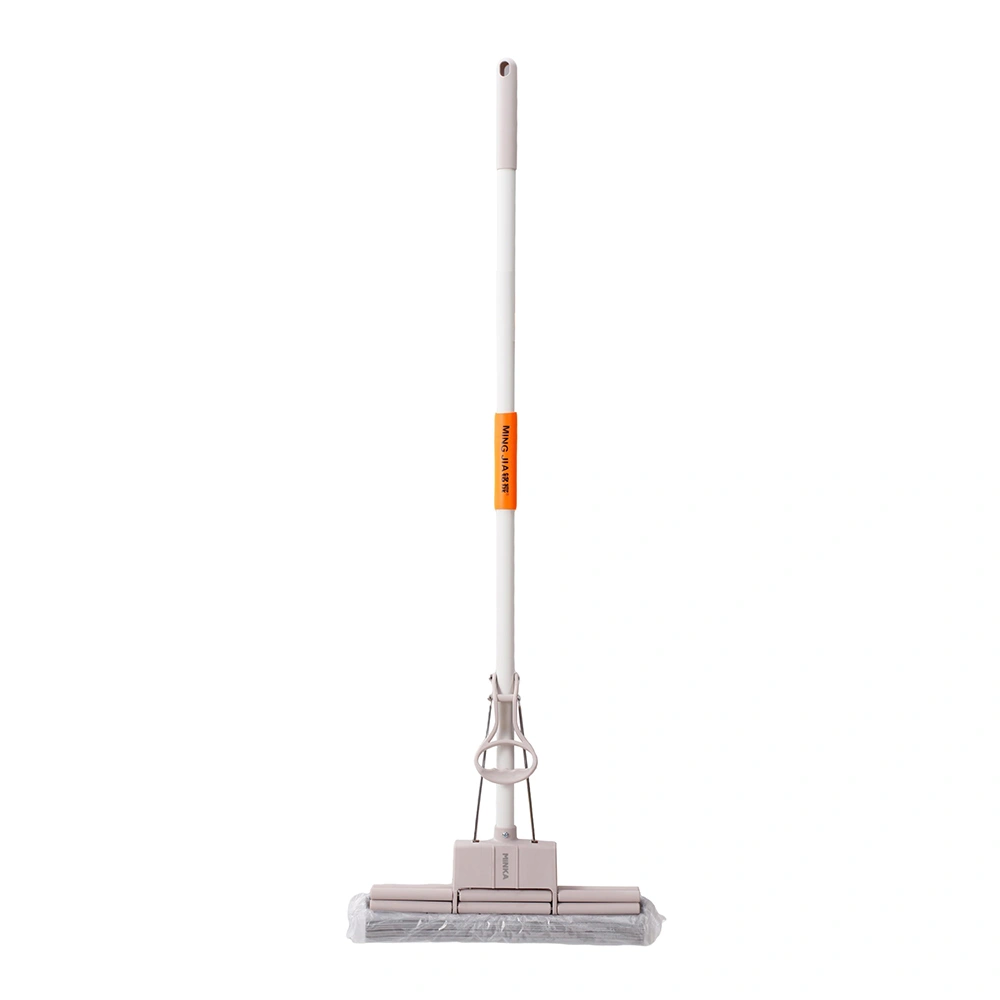
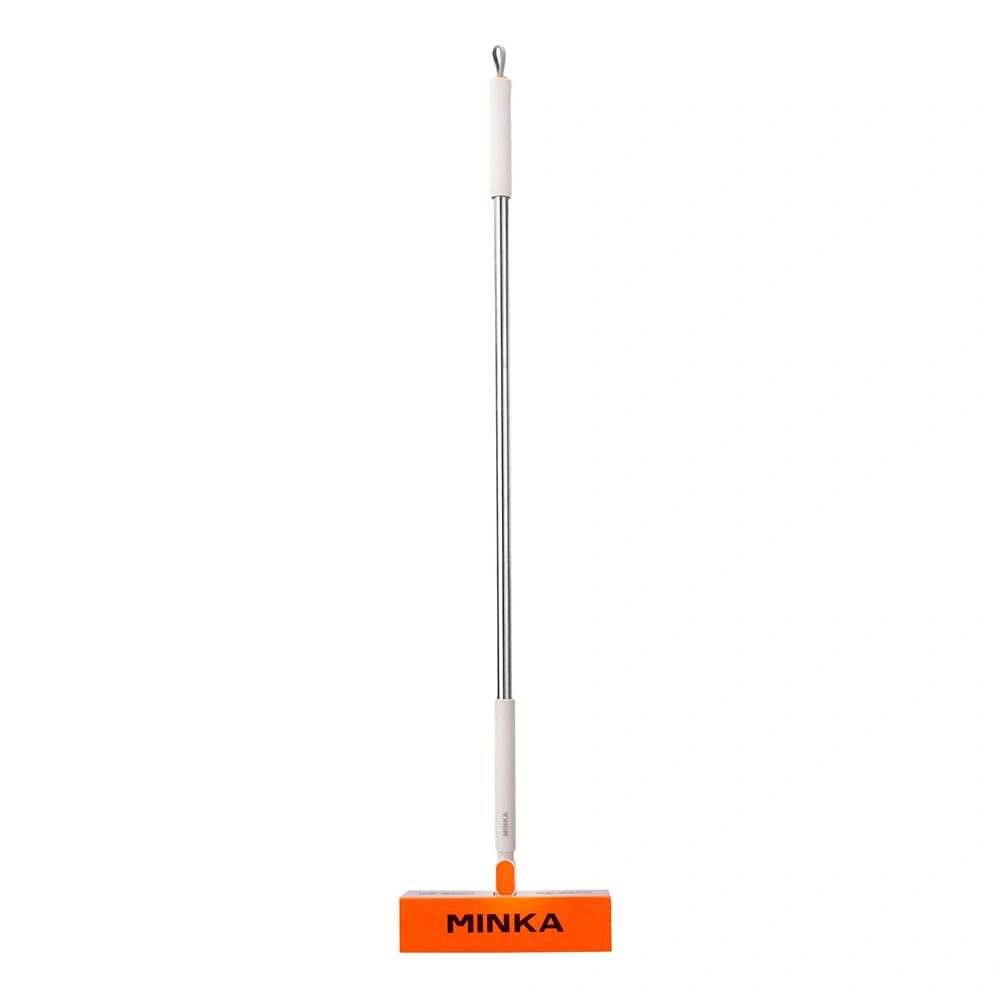
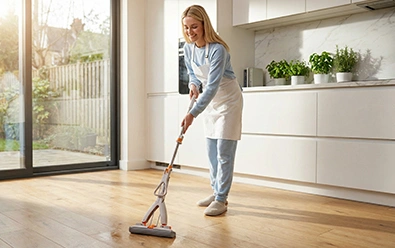
A mop is a cleaning tool typically consisting of a stick or handle fitted with absorbent material—often cotton strands—at its end. By leveraging the material's ability to absorb water, a mop can effectively wipe away stains on floors and dry up spilled liquids.
Mop Classifications:
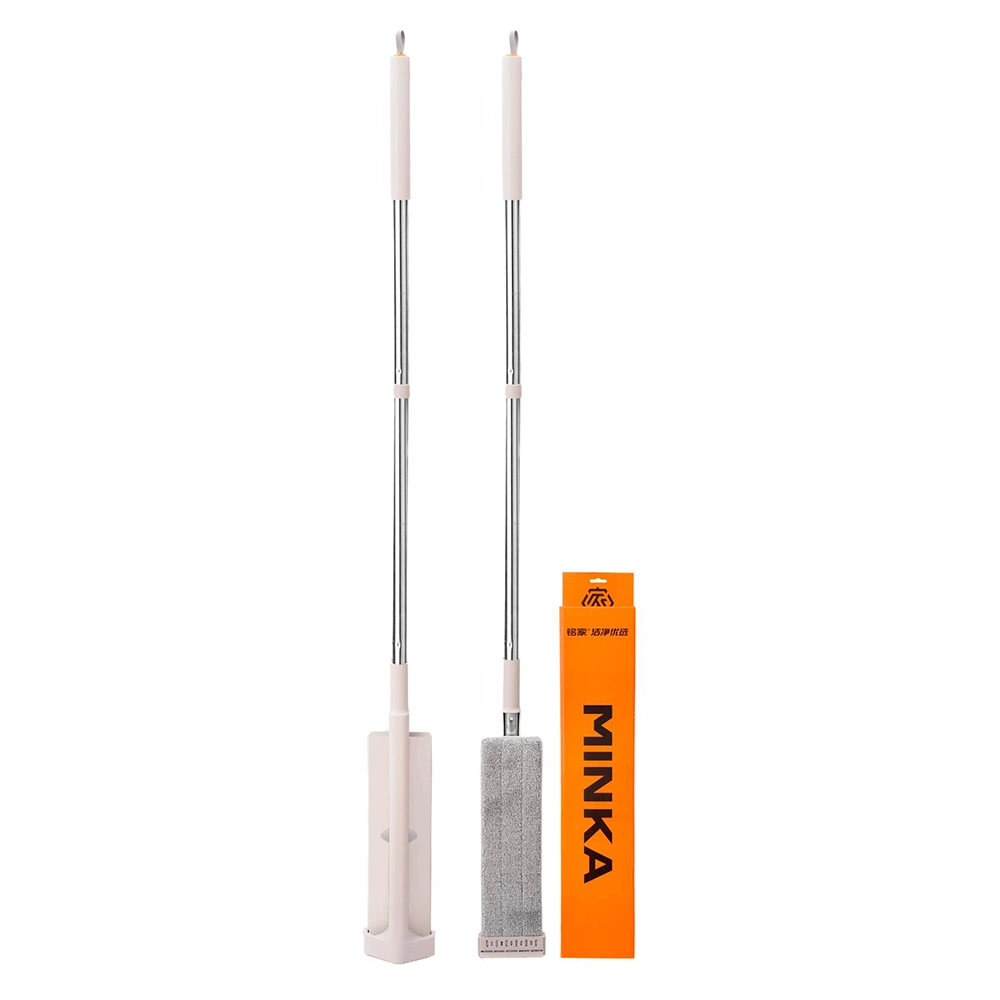
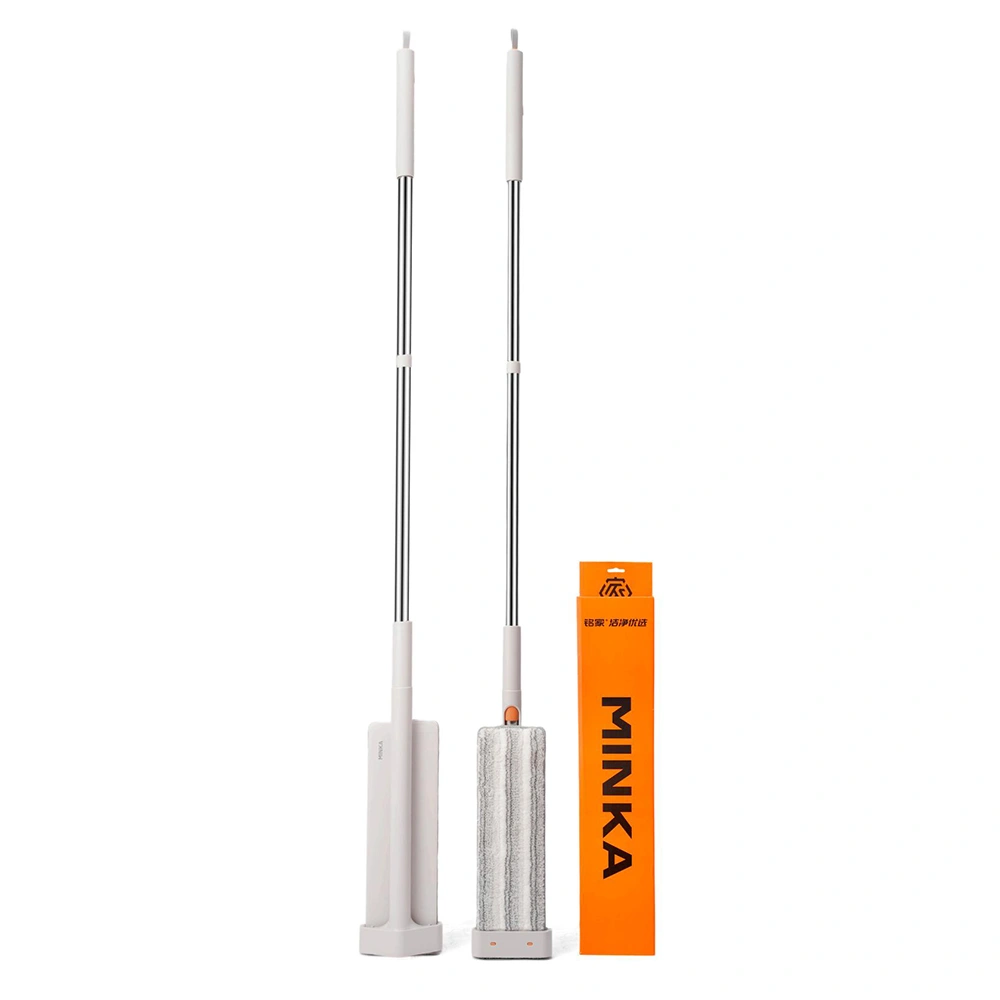
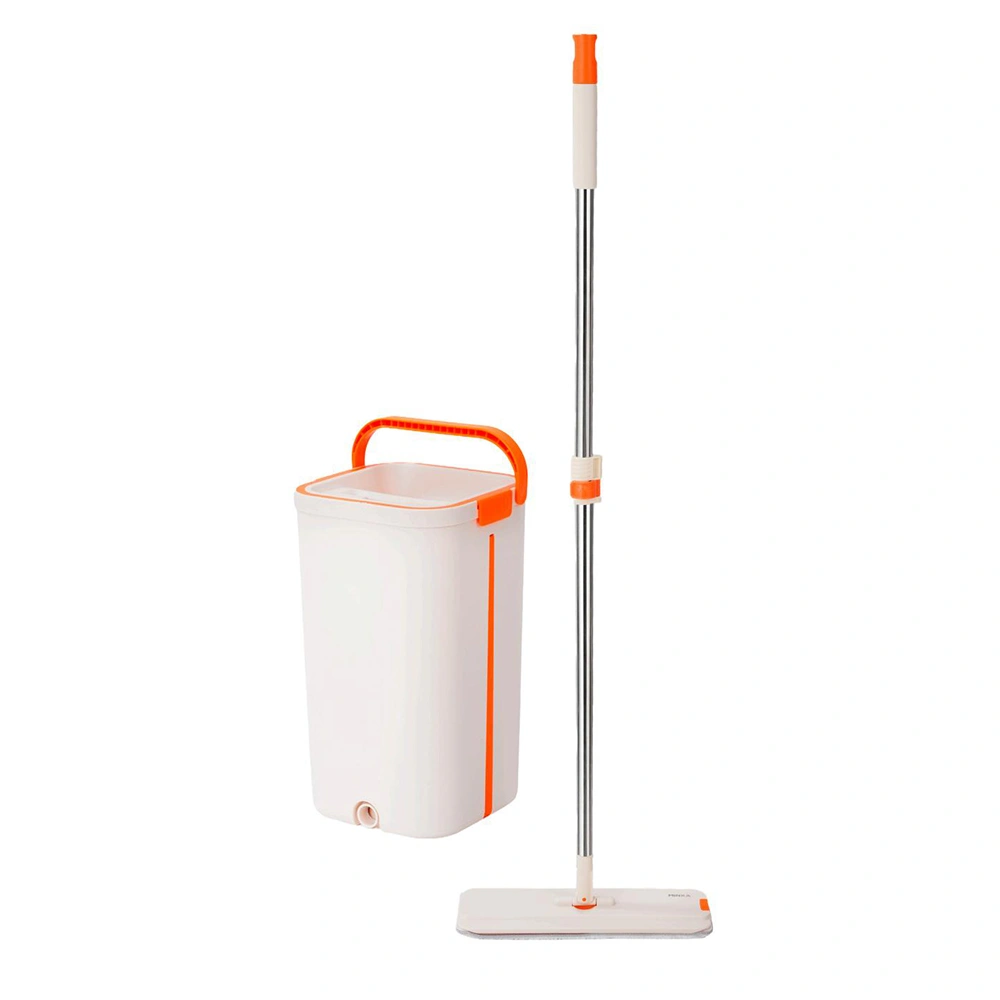
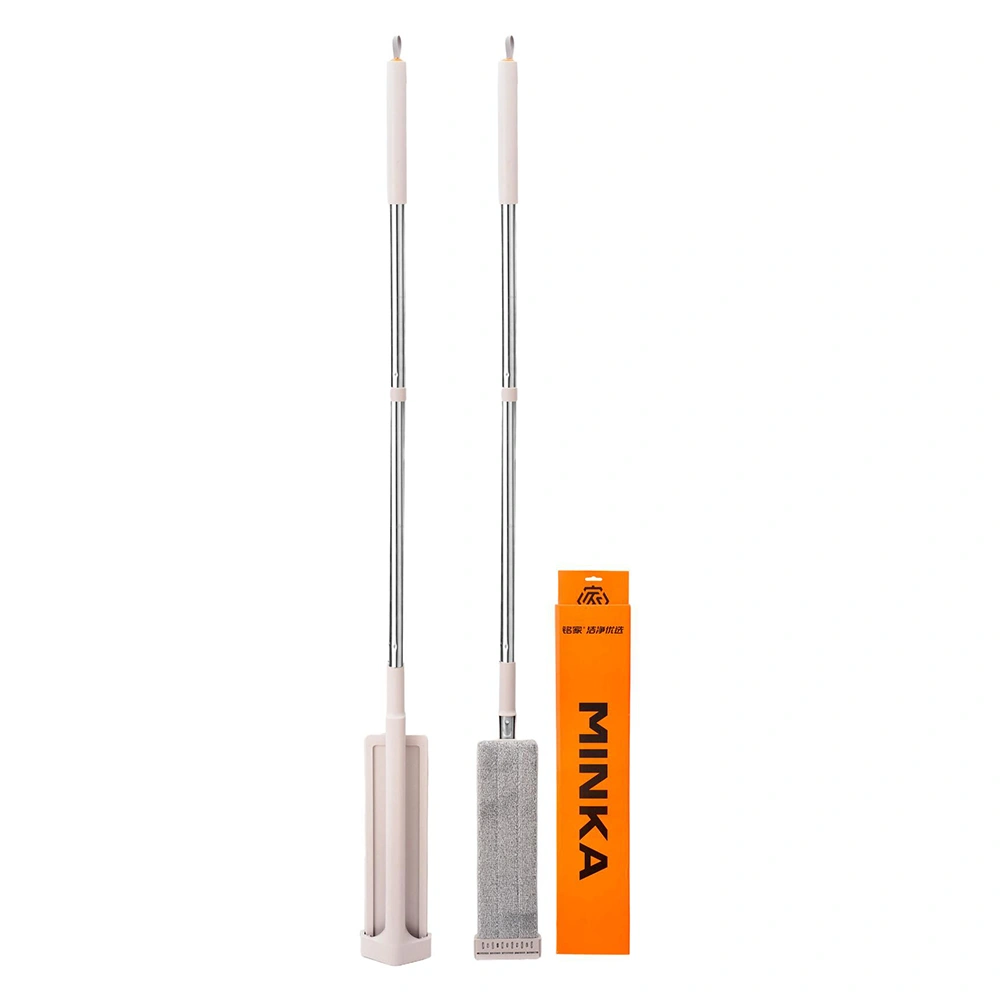
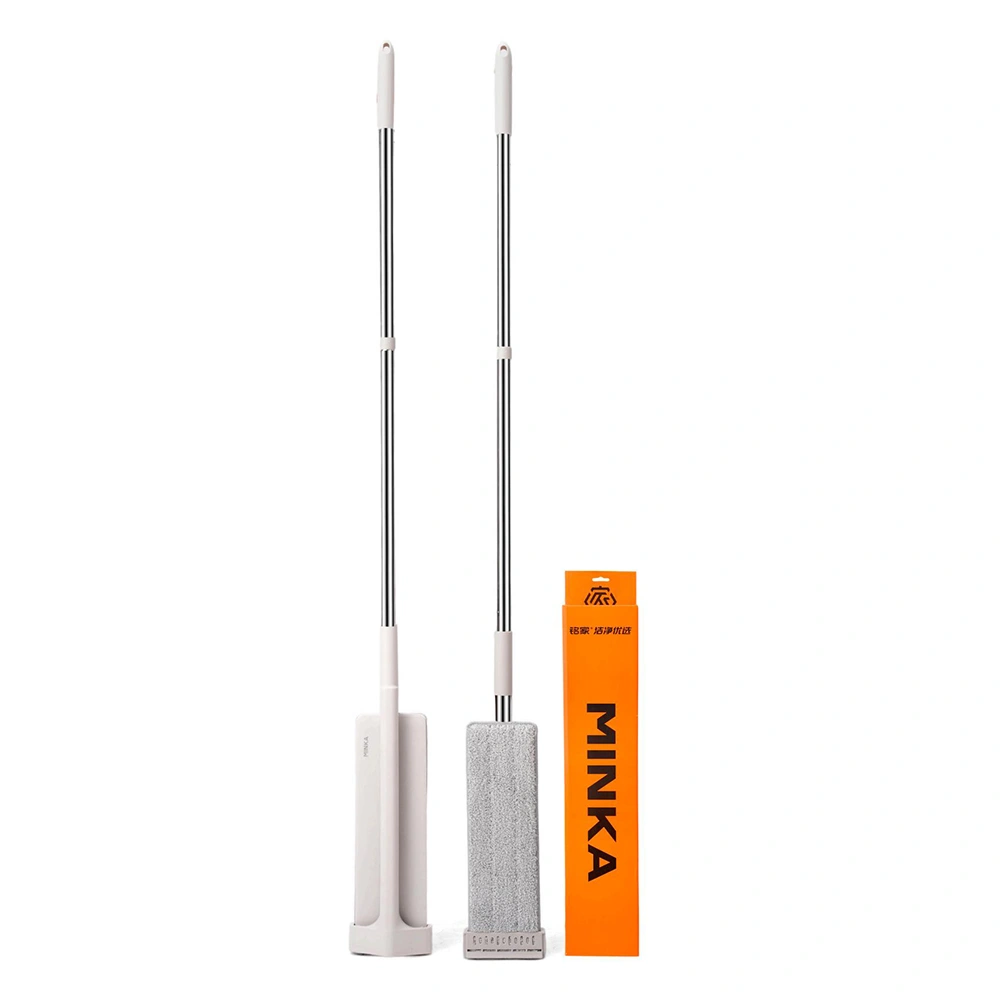
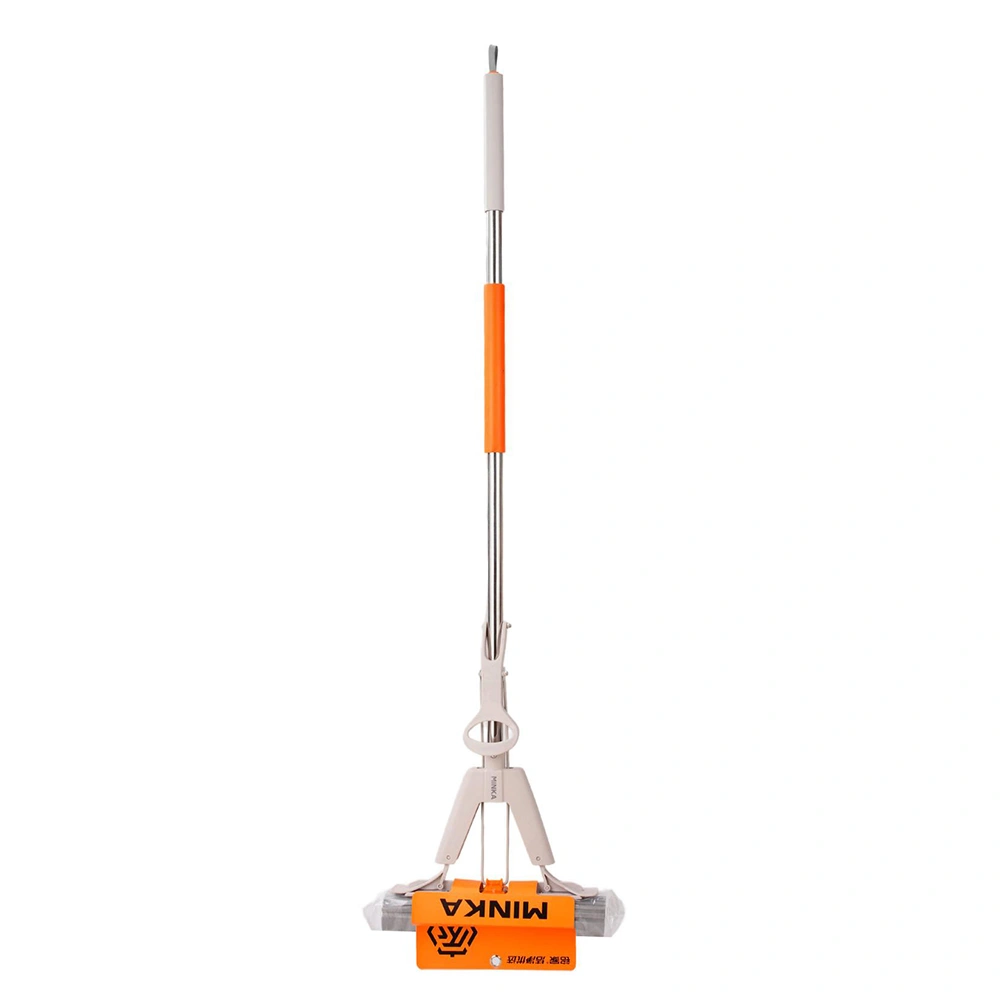
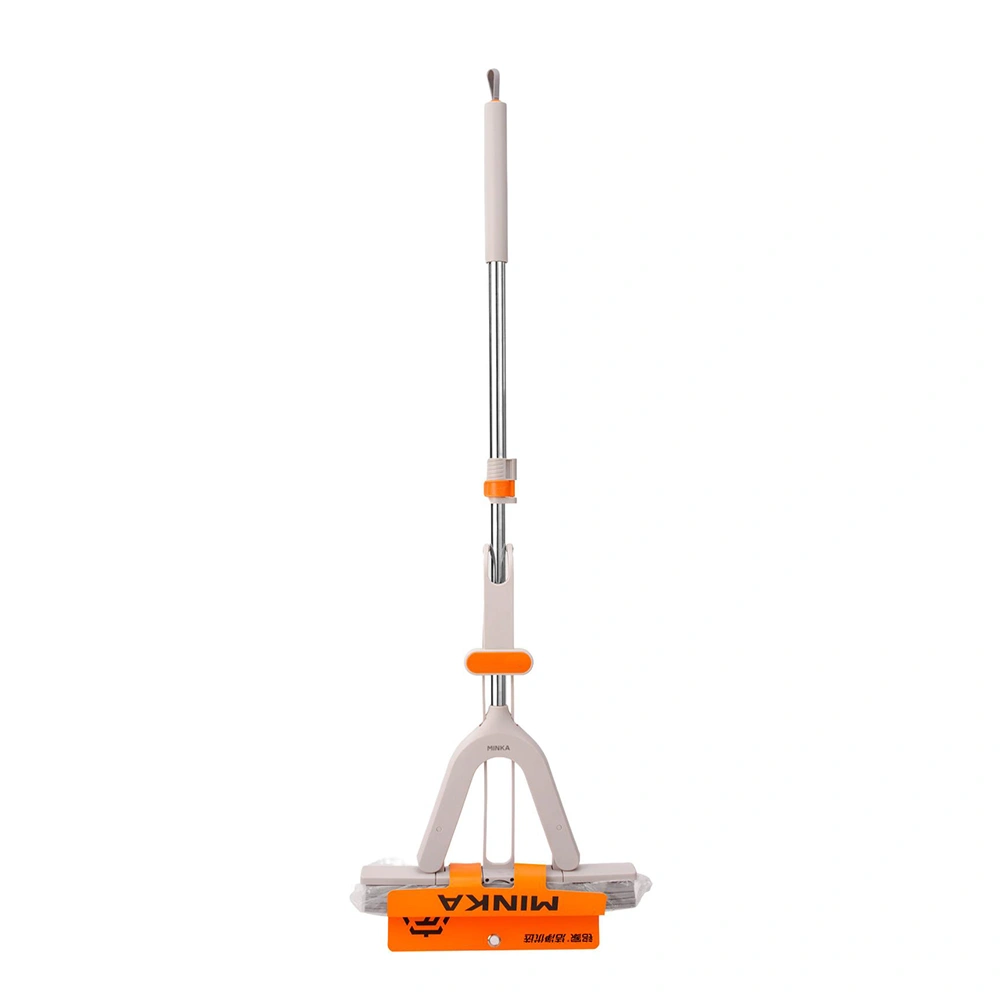
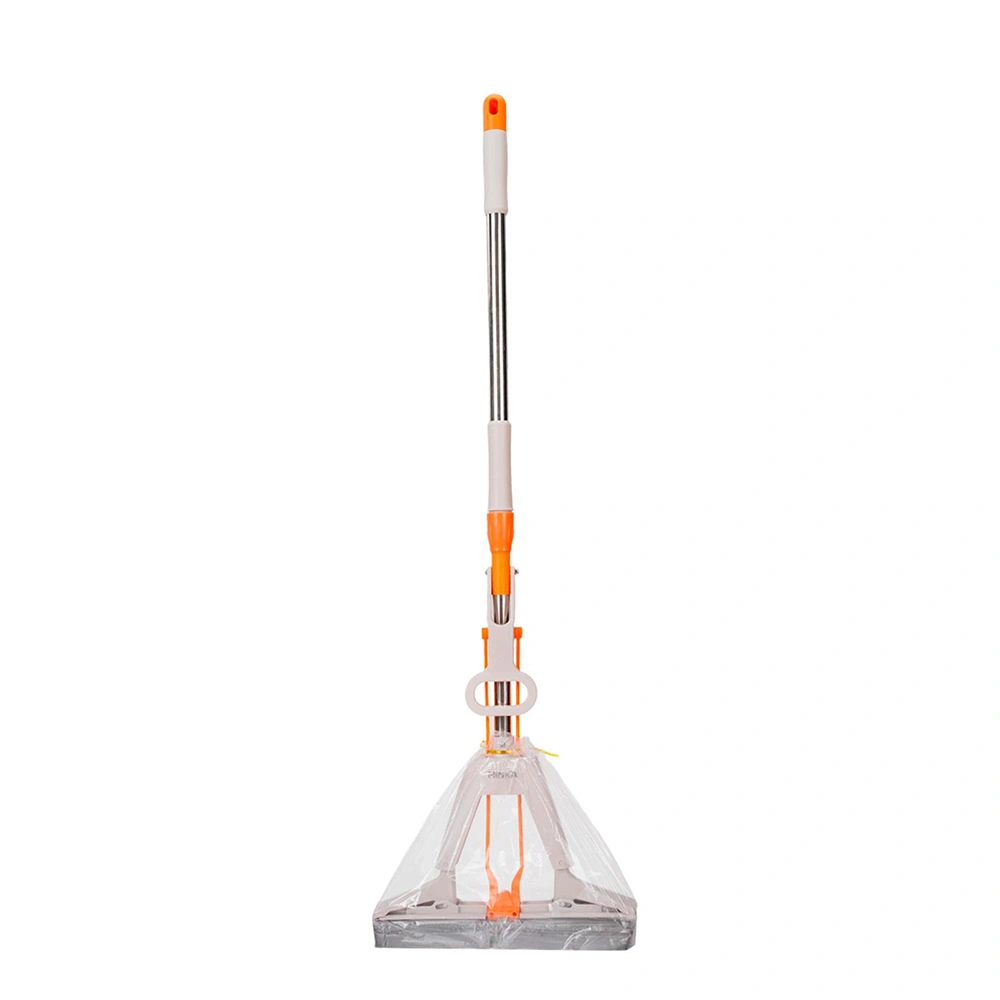
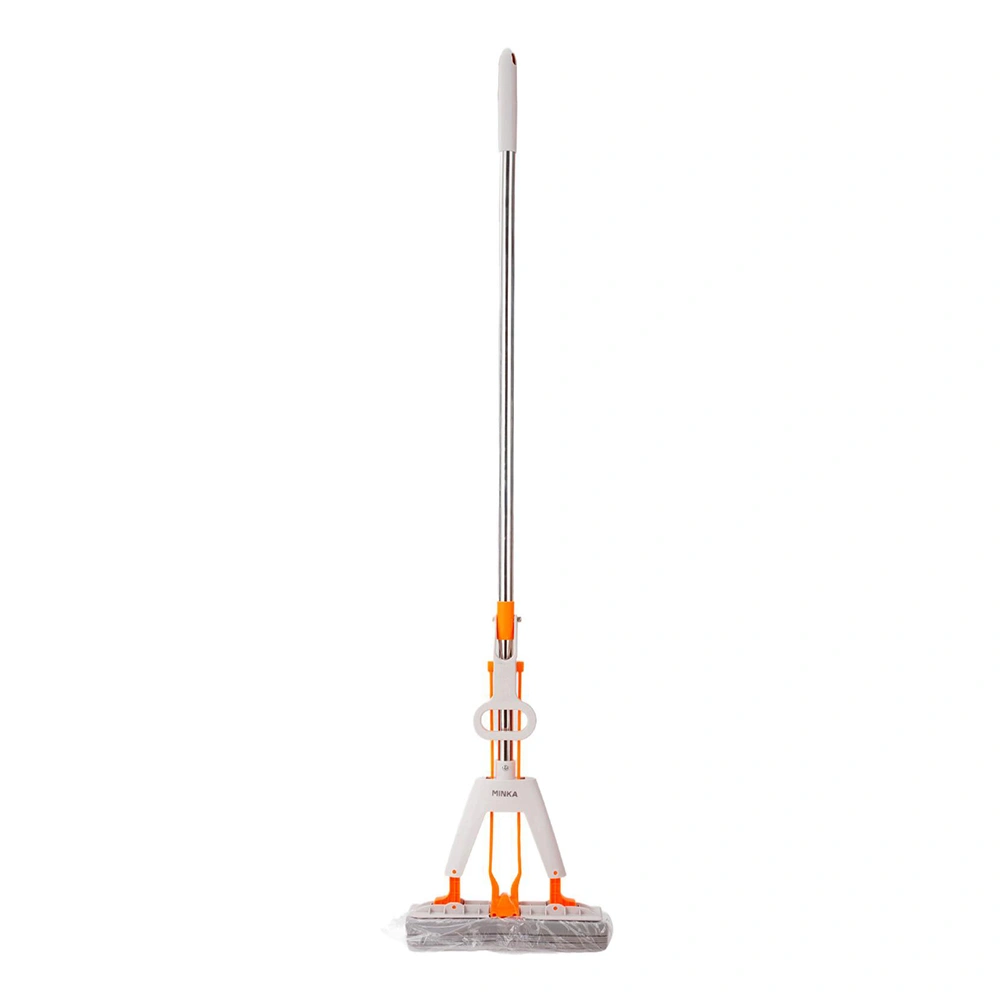
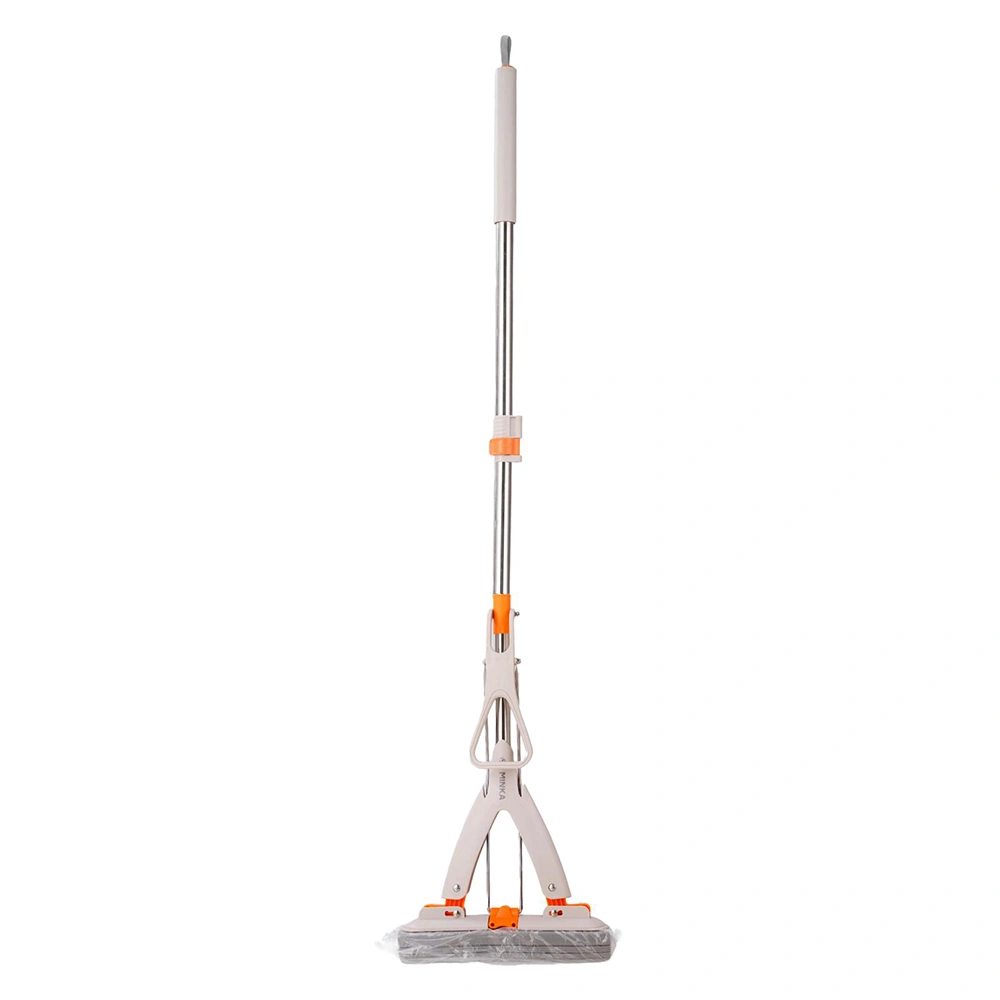
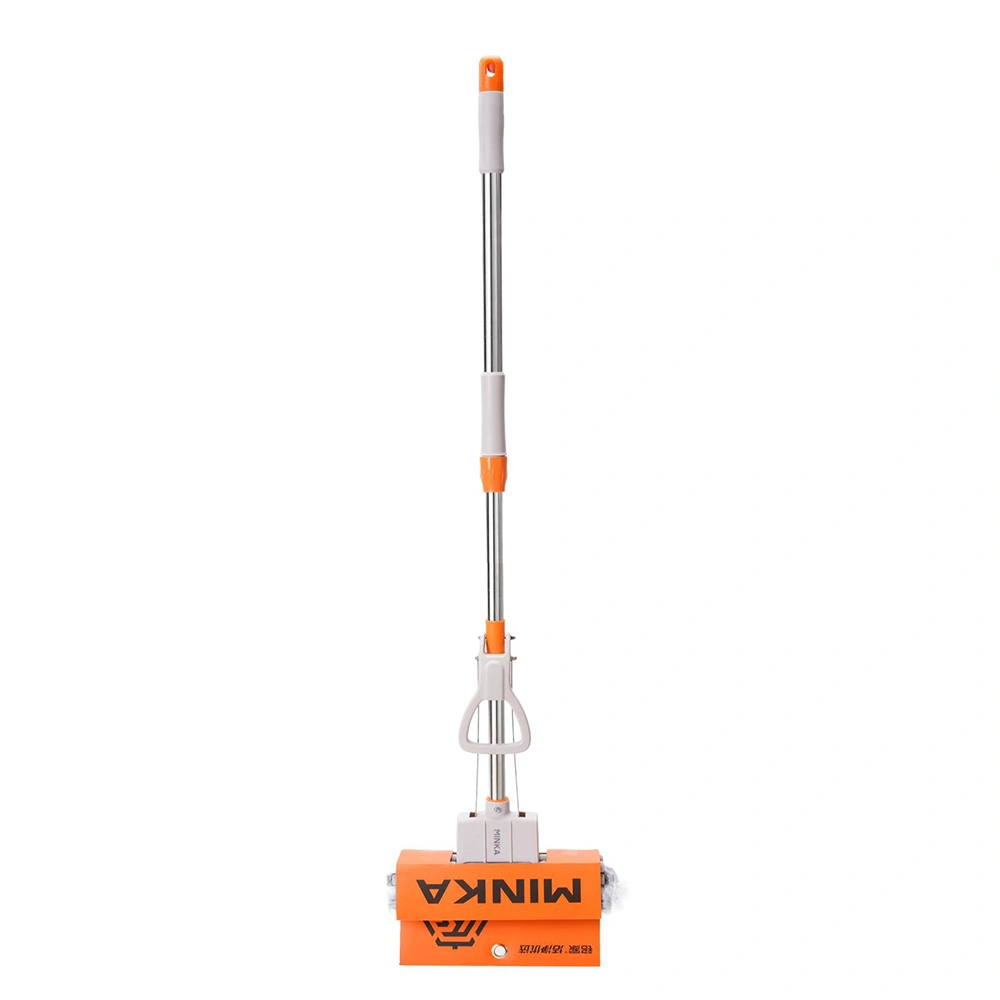
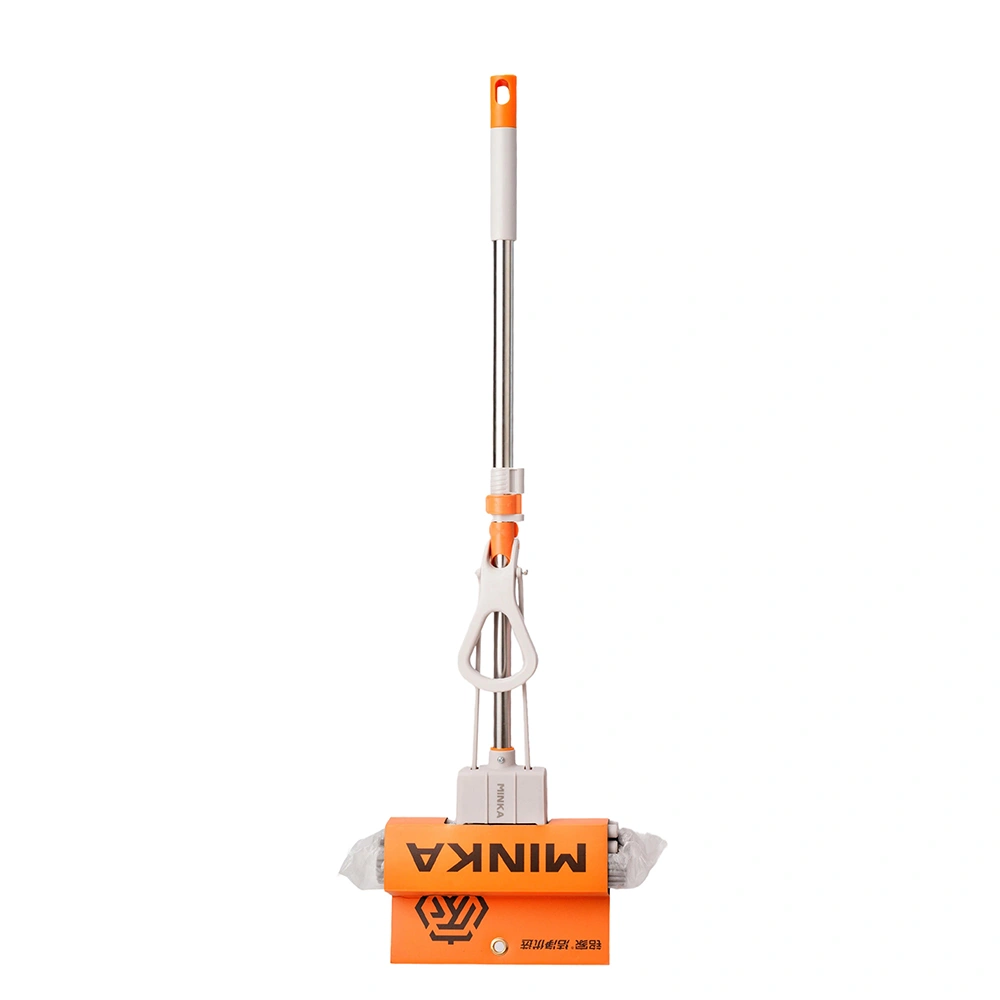
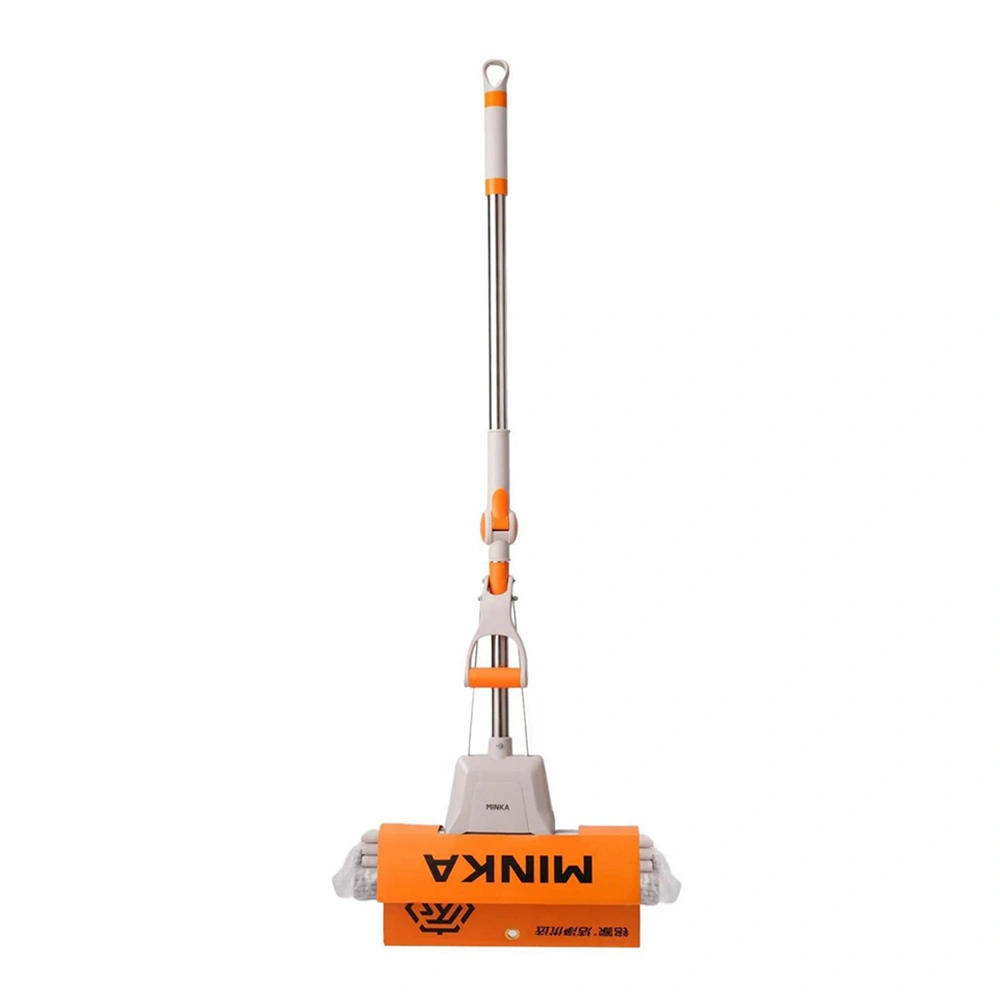
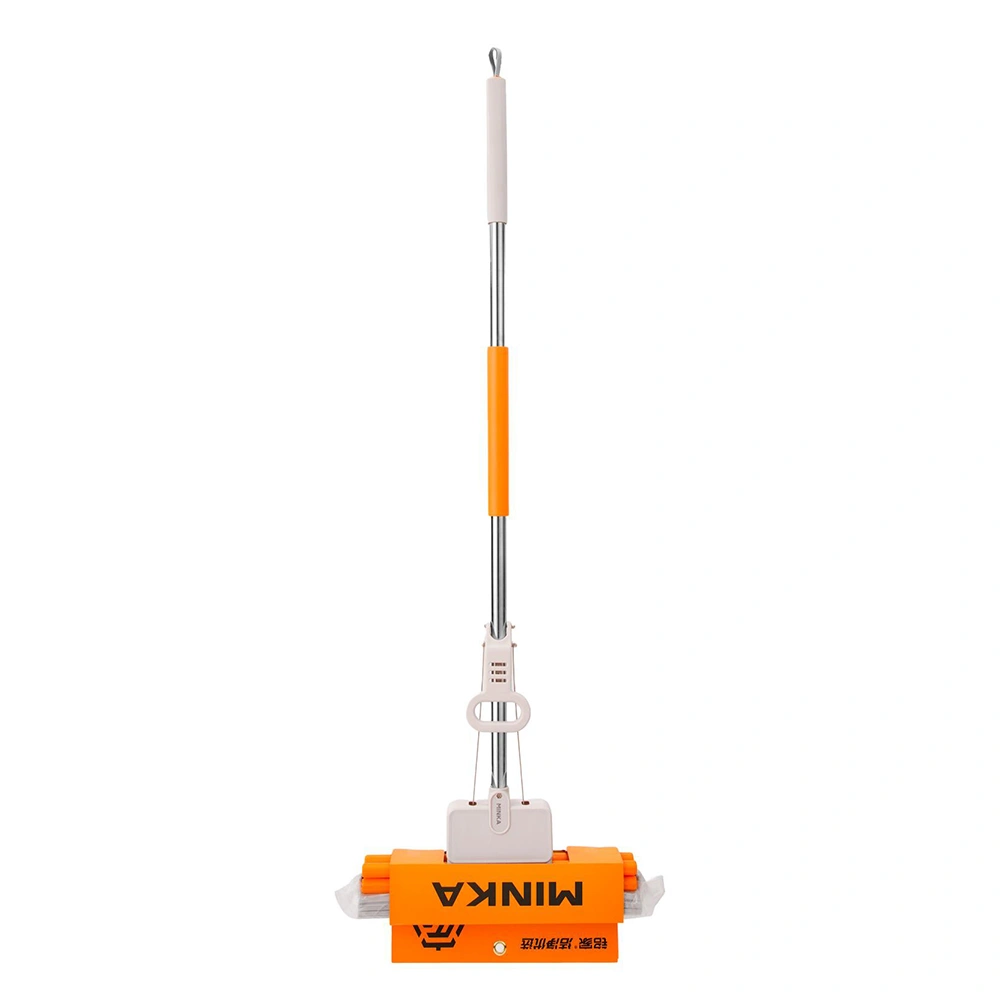
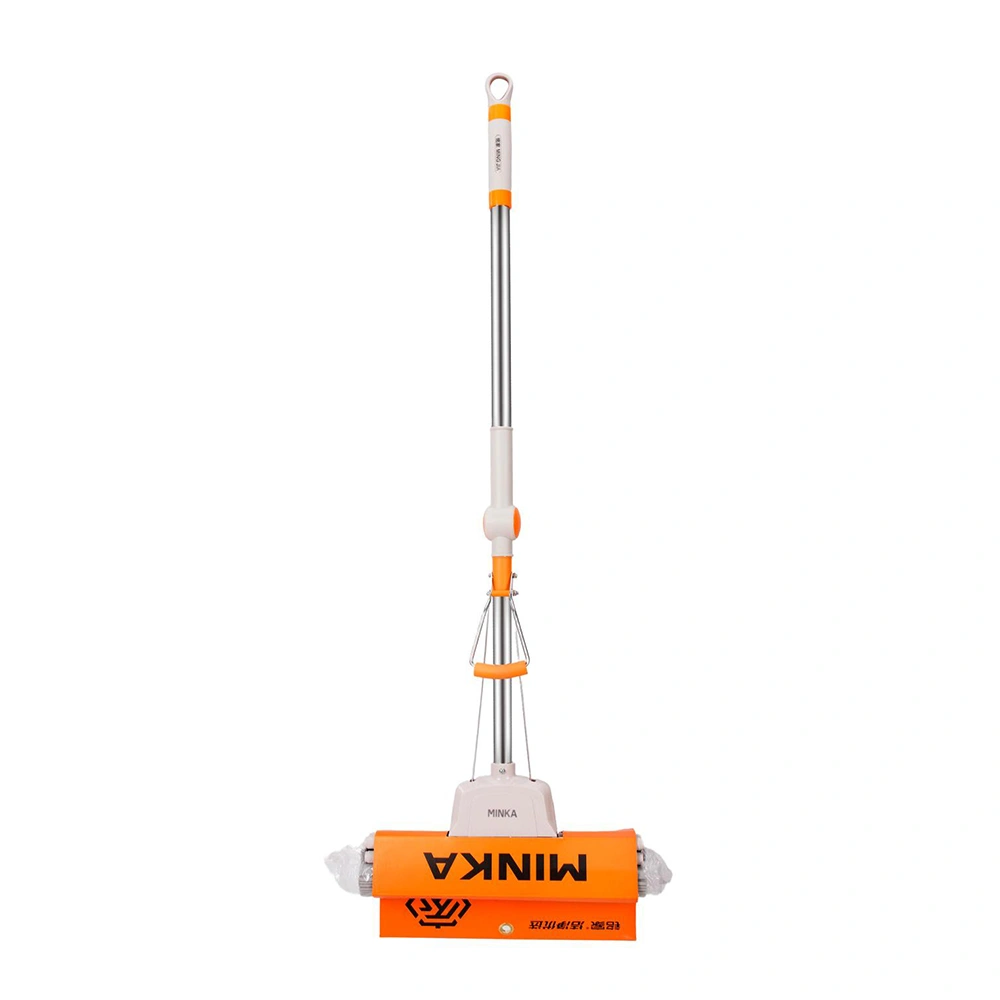
Traditional Mops | Modern Wooden-Handle Mops | Wringing Mops | Sponge Mops
Key Developments in Mop Design:
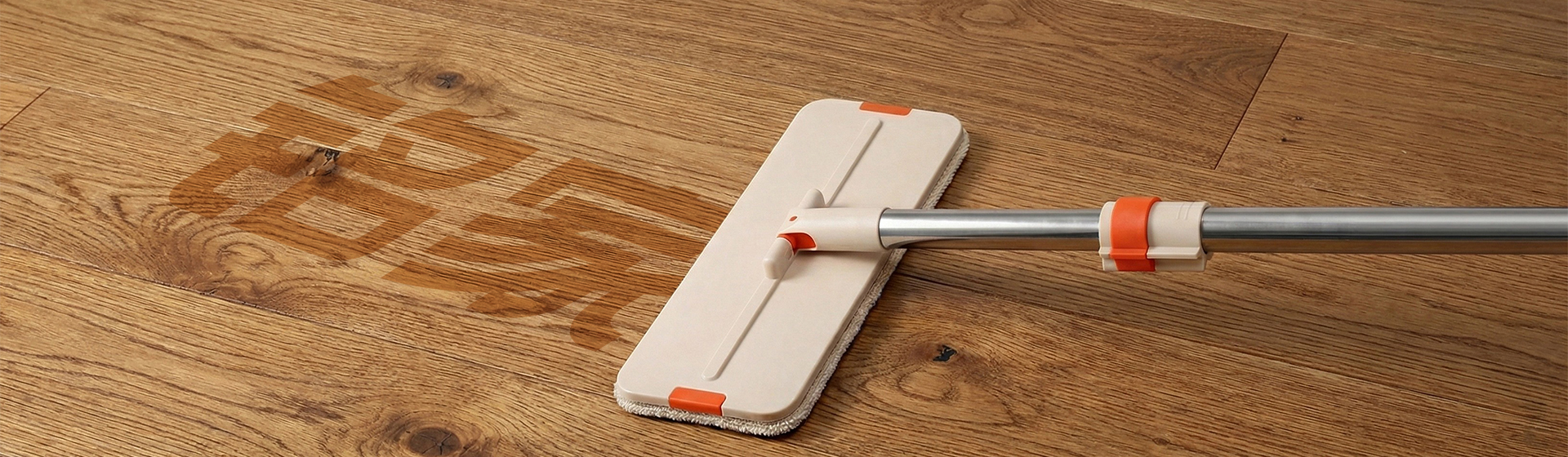
(1) Work Head Shape: Evolved from the original circular design into strip-style, flat-panel, and other shapes.
(2) Work Head Material Form: In addition to fabric strips, designs featuring twisted yarn cords have emerged.
(3) Work Head Material Composition: Beyond traditional cotton, materials such as microfiber and sponge strips are now utilized.
(4) Work Head Mounting: In addition to fixed designs, replaceable head systems are now available.
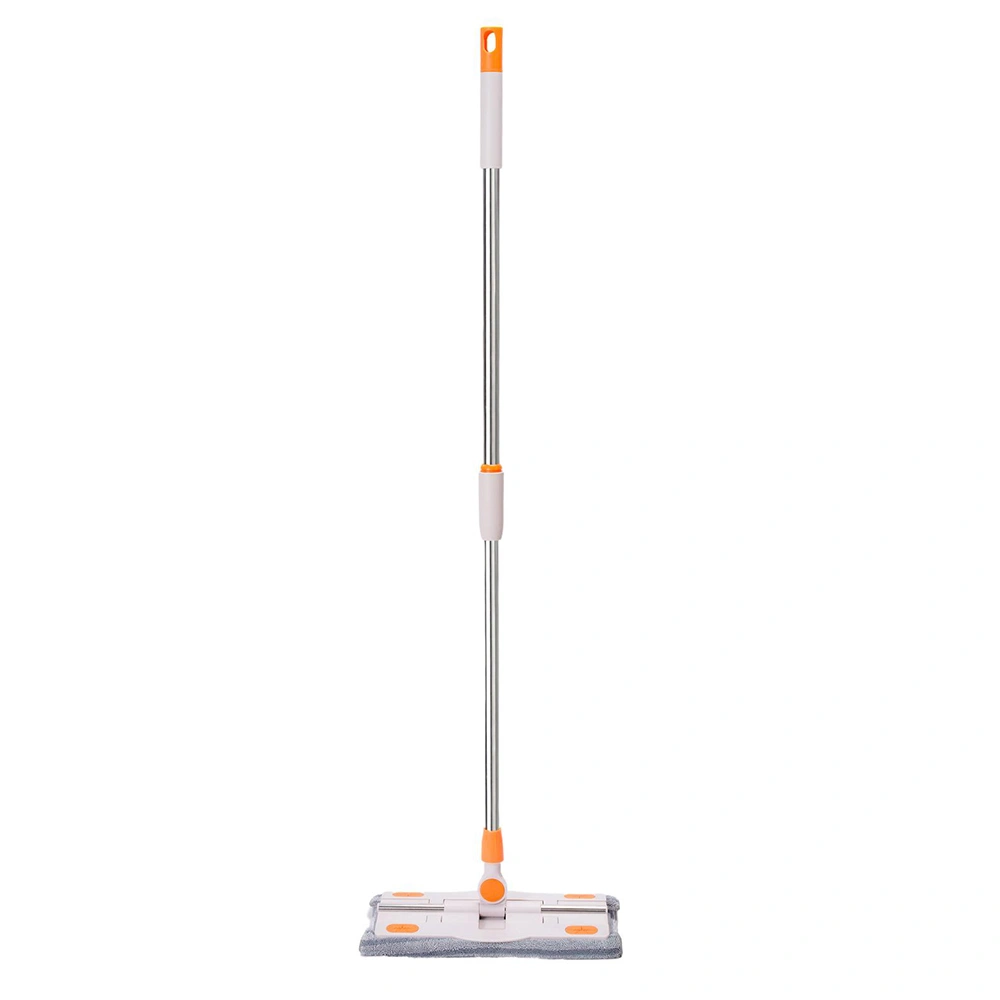
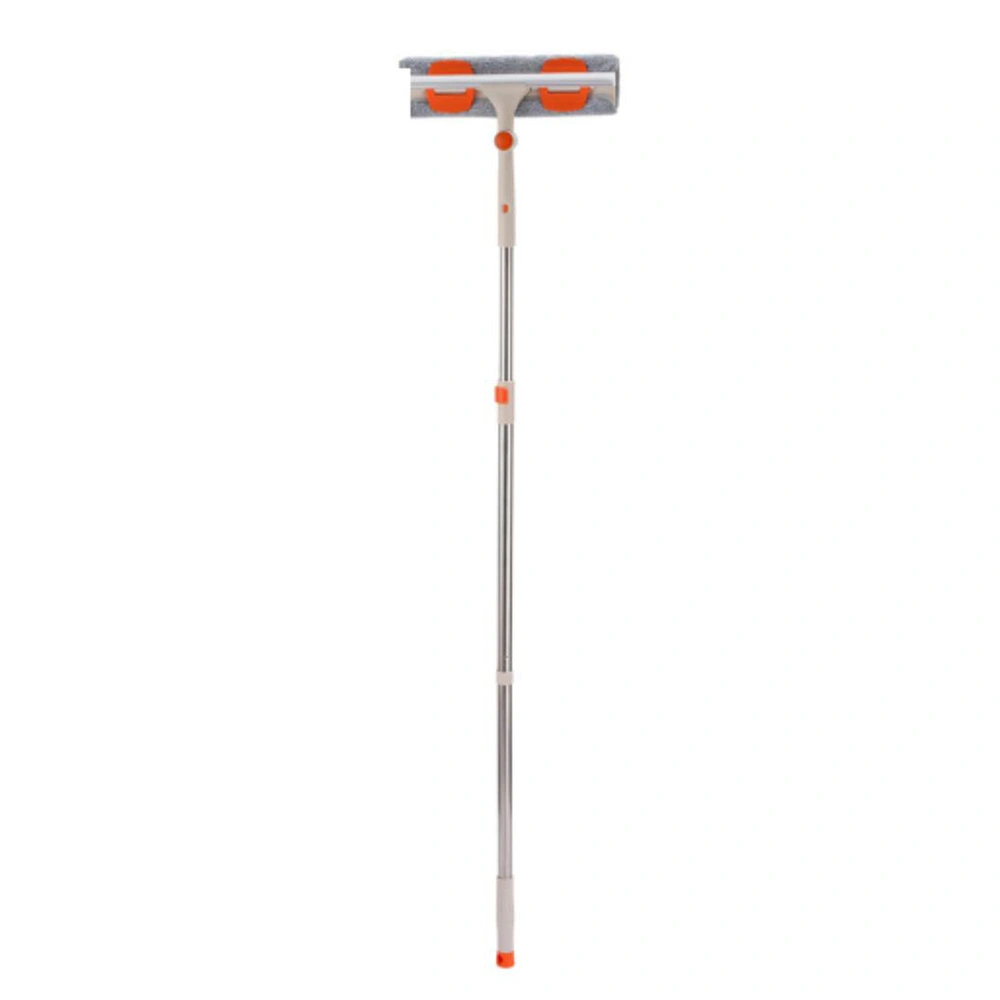
(5) Handle Design: Beyond fixed-length handles, segmented and adjustable telescopic handles (allowing for length customization) have been introduced.
Mop Usage Tips:
1. To maximize the mop's efficiency and lifespan, it is best to sweep away loose hair, dust, and debris before mopping.
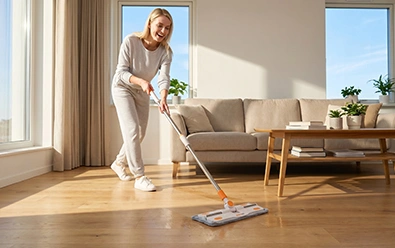
2. When mopping, try to move the mop in the direction of the floor's grain; this makes it easier to lift and remove dirt, ensuring a more effective clean.
3. For a thorough cleaning, rinse the mop under running water. If you typically use a floor cleaner, rinse the dirty mop under a faucet first to flush away loose grime, then soak it in a bucket of water containing the cleaning solution before wringing it out and resuming mopping.
4. Pay close attention to the specific usage instructions for each type of mop; using the correct technique enhances efficiency. For instance, some sponge mops require soaking in water before they can be used effectively.
5. When cleaning wooden floors, avoid using mops with high water retention (such as sponge mops). Wooden surfaces are porous and prone to absorbing moisture, which can lead to warping, structural weakening, and a shortened lifespan for the flooring.
Mop Buying Tips:
1. The handle should be ergonomic, comfortable to grip, and securely attached (it should not slip or rotate loosely).
2. The mop head material should possess excellent water absorption capabilities.
3. The mop head material should be durable and not shed lint or fibers during use.
4. The mop head should be easy to wring out, requiring minimal physical effort to remove excess water. 5. The mop head effectively removes dirt and grime without allowing residue to adhere to the fabric.
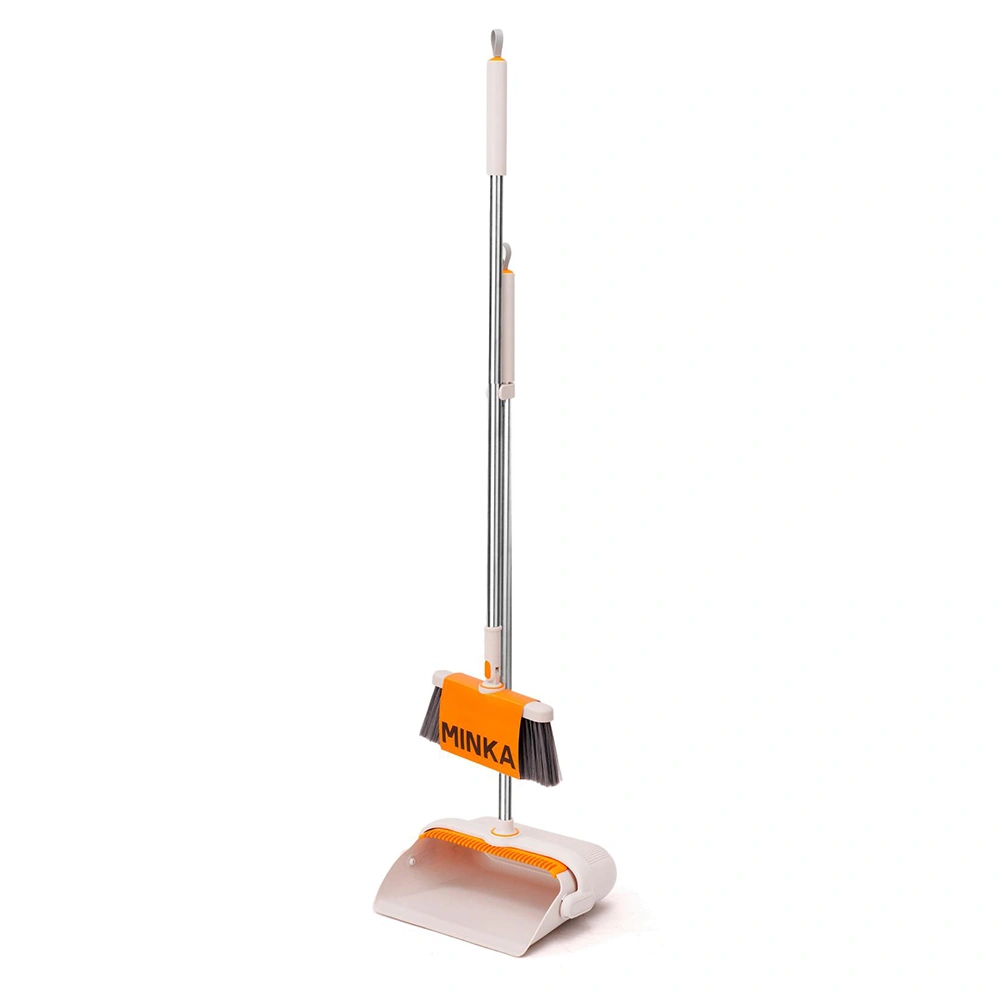
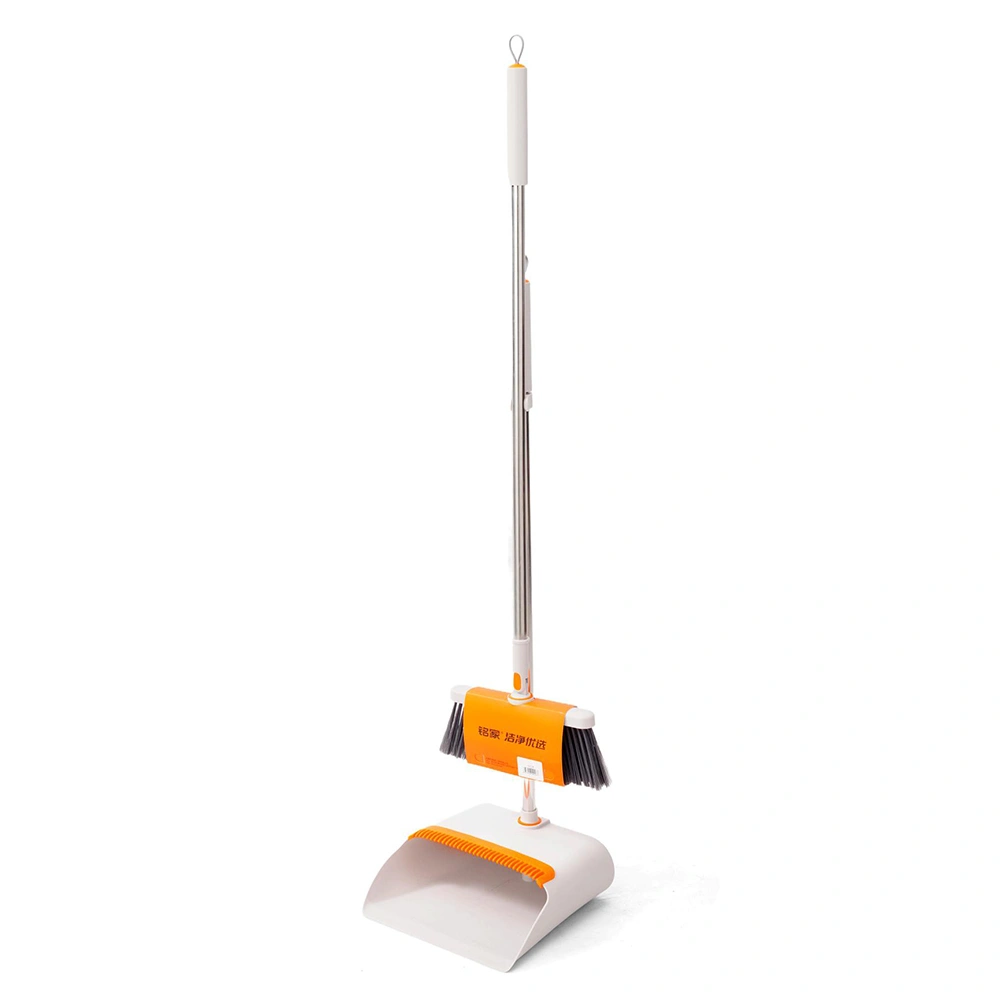
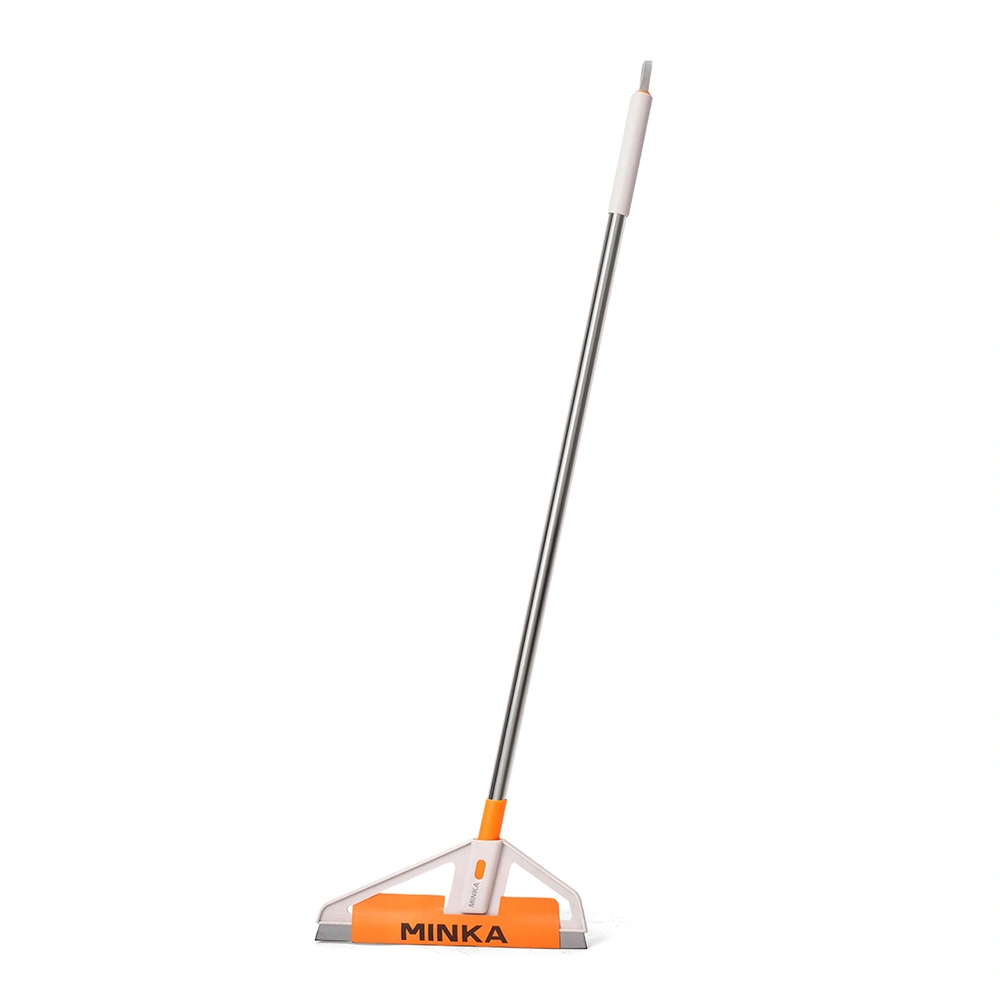
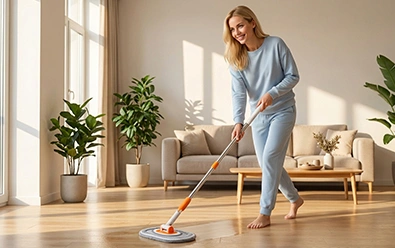
6. Select a mop with features tailored to your specific needs; for instance, if you need to clean narrow gaps beneath furniture, a flat-style mop (with a detachable, washable cloth head—similar to a dust mop) is an ideal choice.
7. Space-saving storage for the home: If your living space is limited, opt for a multi-functional mop that combines both wet-mopping and dry-dusting capabilities.
Mop Maintenance Tips:
1. After use, be sure to thoroughly wash and wring out the mop, then place it in a well-ventilated area to prevent the growth of odor-causing bacteria.
2. If the mop develops an unpleasant odor, it can be cleaned using a solution of diluted bleach.
3. If hair becomes stuck to the mop head, use a brush to help dislodge it, or wait for the mop to dry completely before using adhesive tape to lift the hair away.
4. Mops made from fine-fiber fabrics are generally not suitable for cleaning heavy grease stains or heavily soiled floors; doing so is not cost-effective and can significantly shorten the mop's lifespan due to excessive wear and tear.
5. To maintain optimal home hygiene, it is recommended that you replace the mop head every two to three months.
6. When using the mop in conjunction with cleaning agents, do not use an excessive amount; using too much can lead to chemical residue buildup, which may negatively impact the mop's durability and lifespan.



 浙公网安备33078402101488号