






Which Mop Should You Use at Home? 90% of People Get It Wrong!
Mops are an indispensable tool—our trusty "sword"—when it comes to cleaning. But how can we maximize their effectiveness? Today, our editor analyzes several different types of mops from various perspectives. Let's dive in and learn together!
Electrostatic Mops ▼
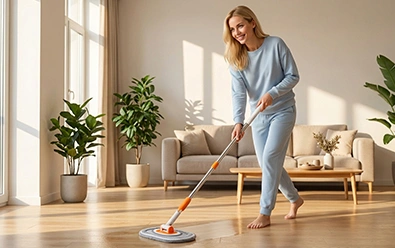
These mops feature a wide head; as the fibrous strands rub against the floor during mopping, they generate static electricity that attracts and lifts away lint, hair, and other debris. The main advantage is the large surface area of the mop head, which saves both time and effort. The downside, however, is that cleaning the mop head itself can be quite laborious. This type of mop is suitable for use on wooden floors, quartz tiles, large sports courts, and similar surfaces.
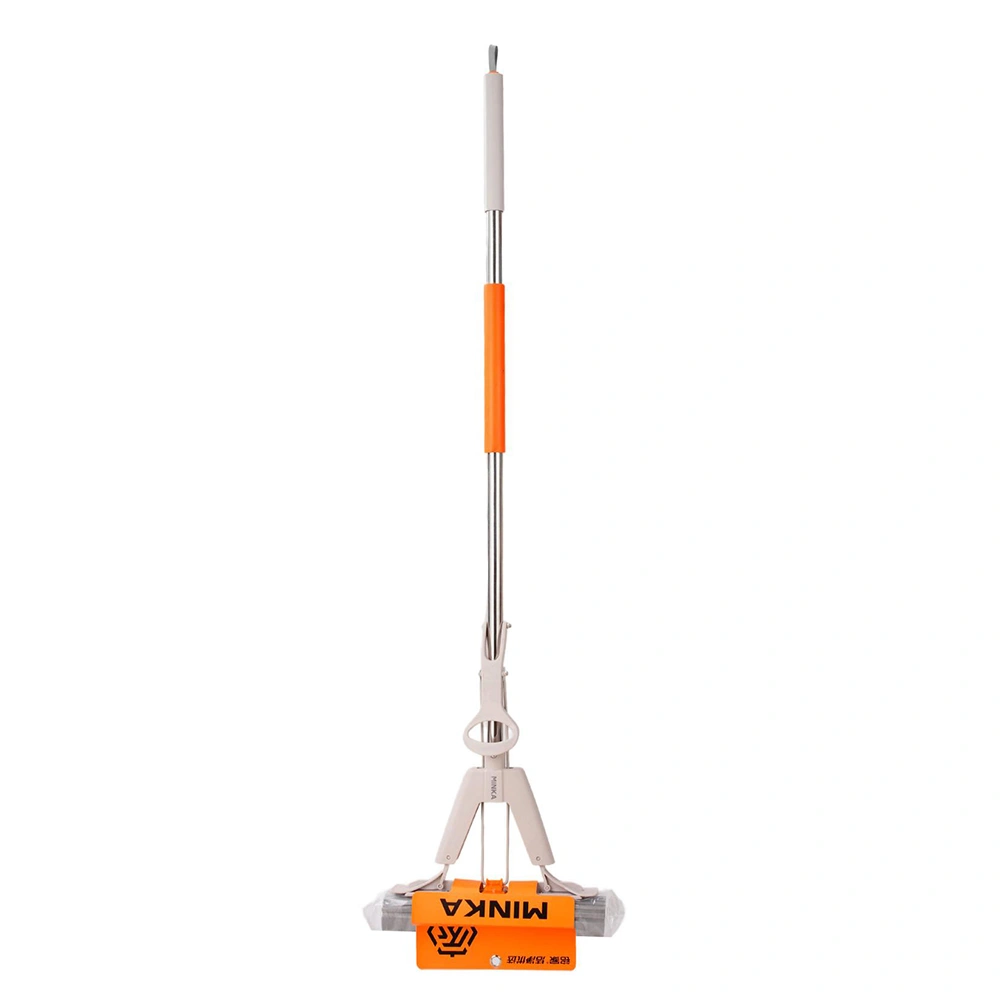
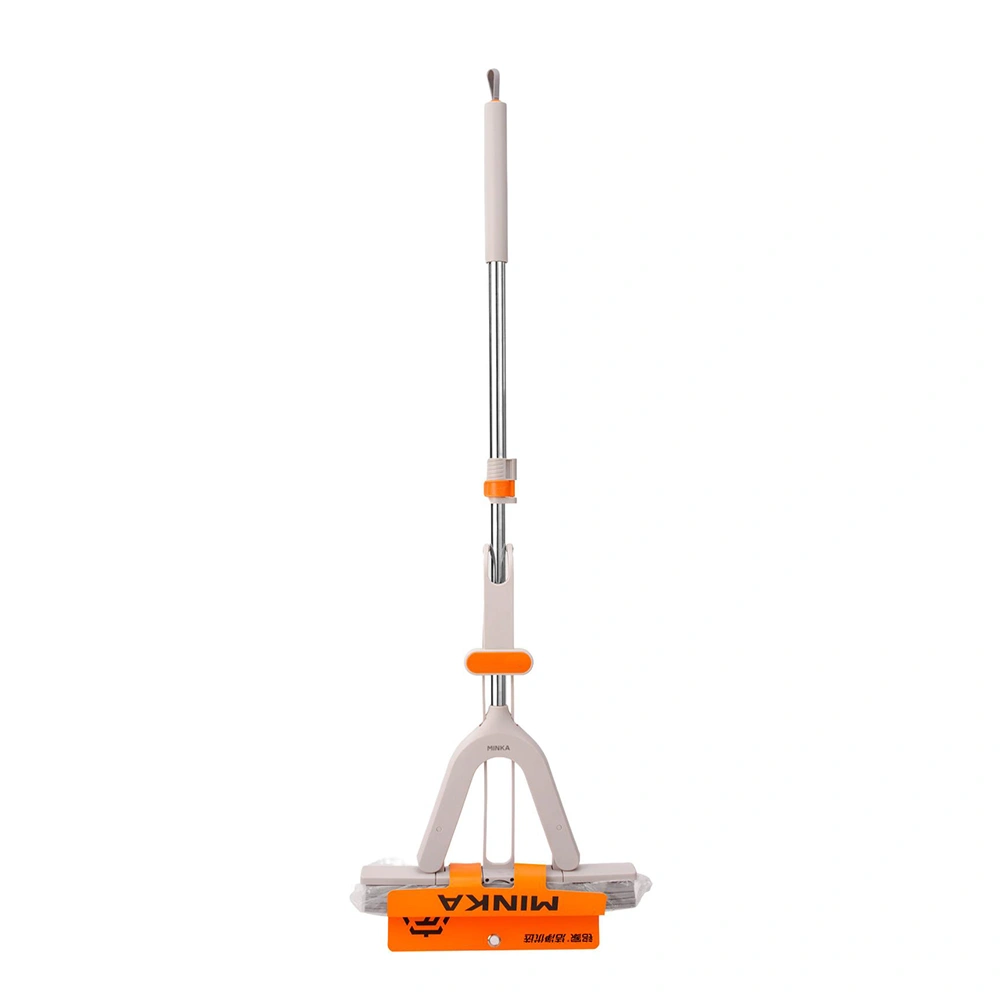
Sponge Mops ▼
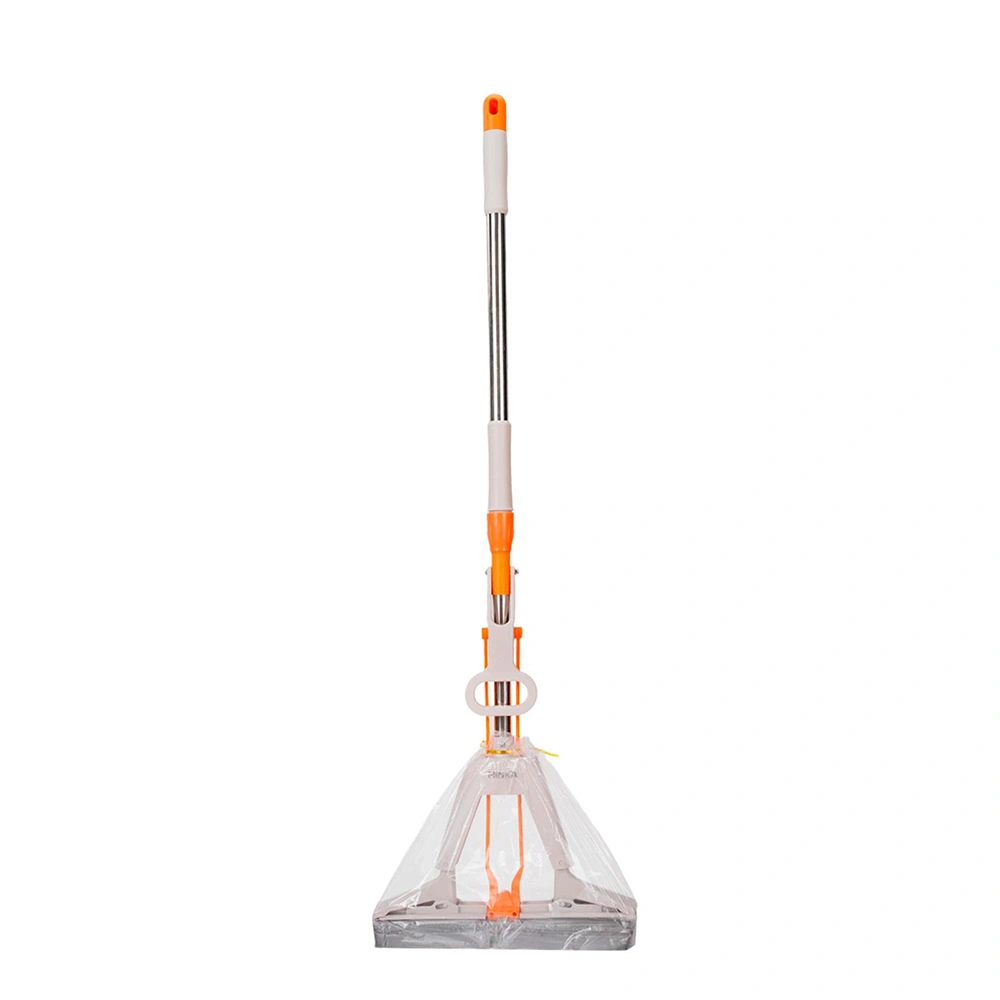
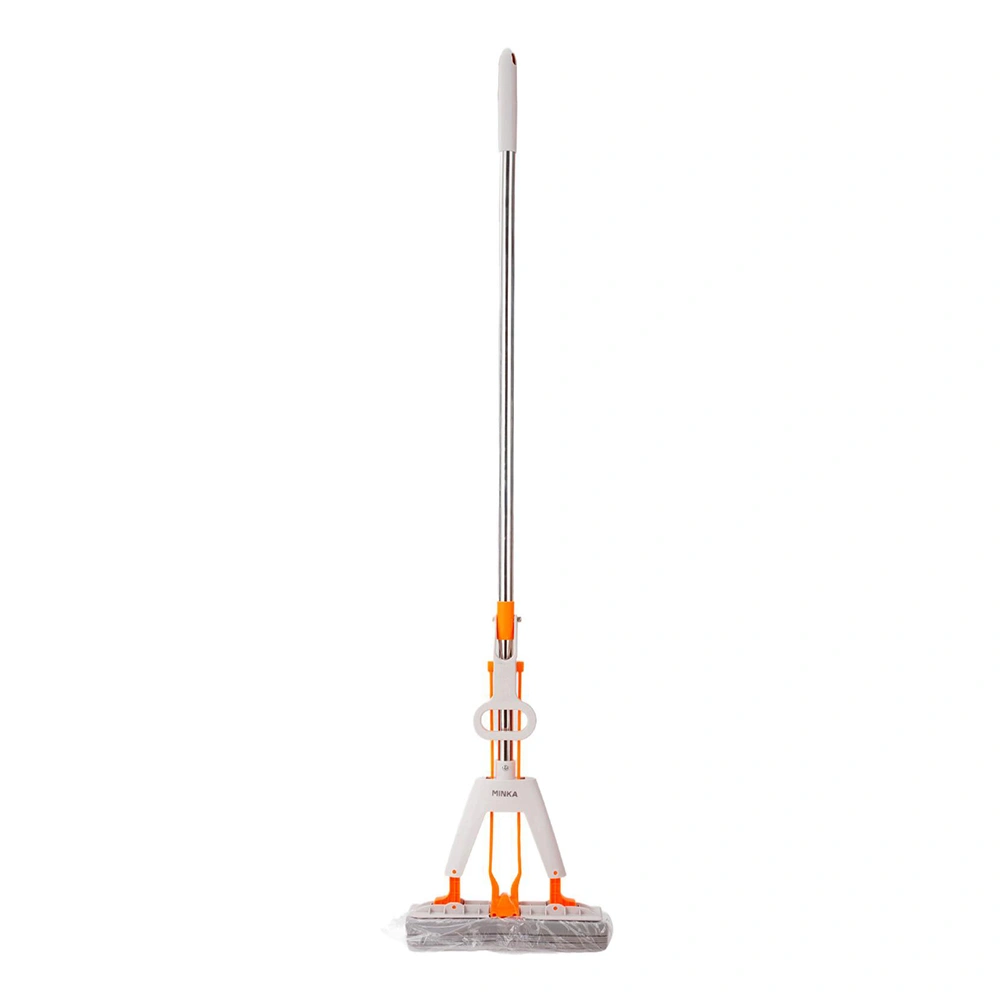
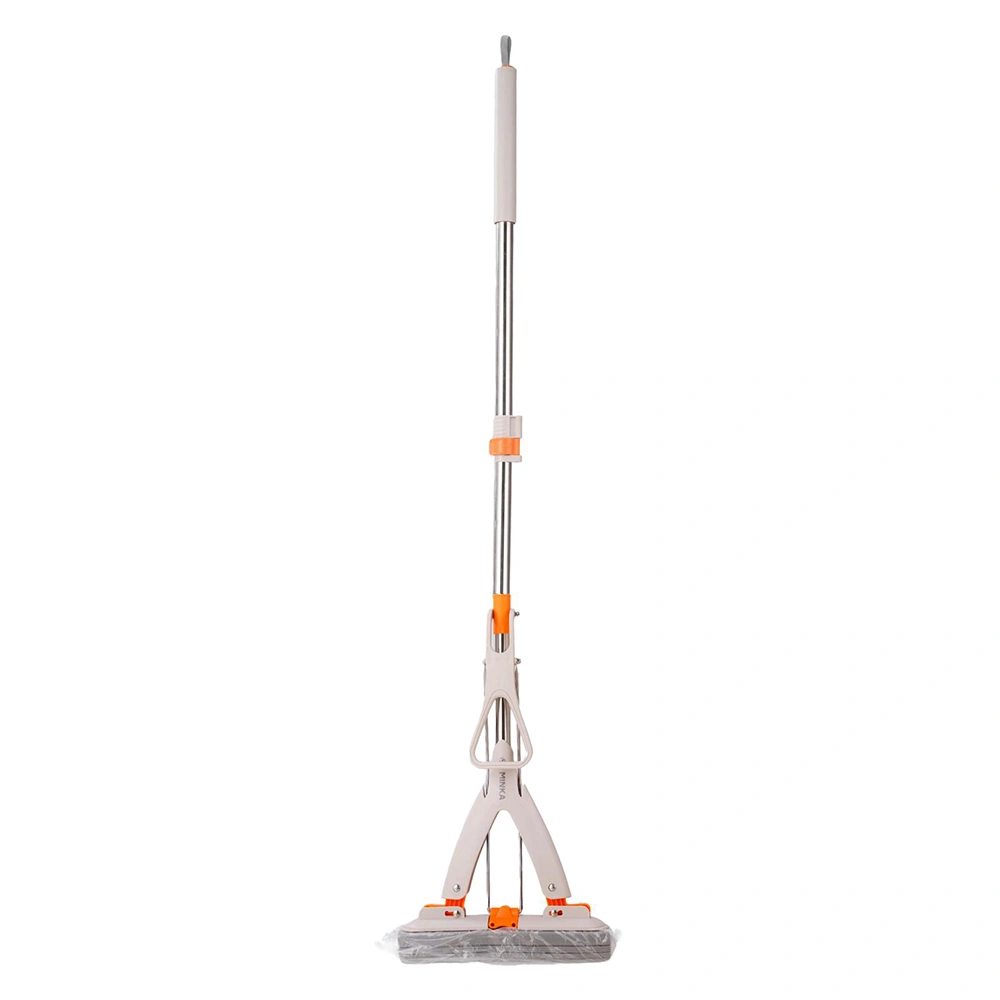
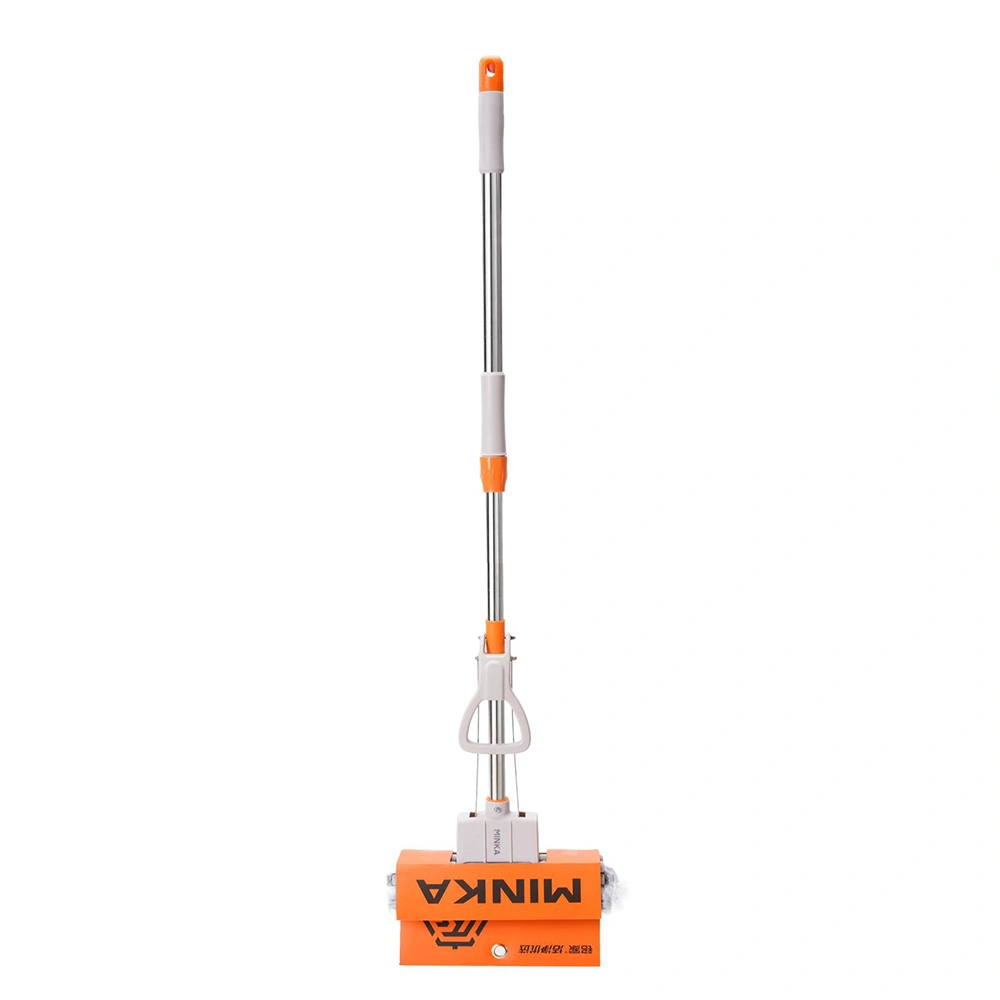
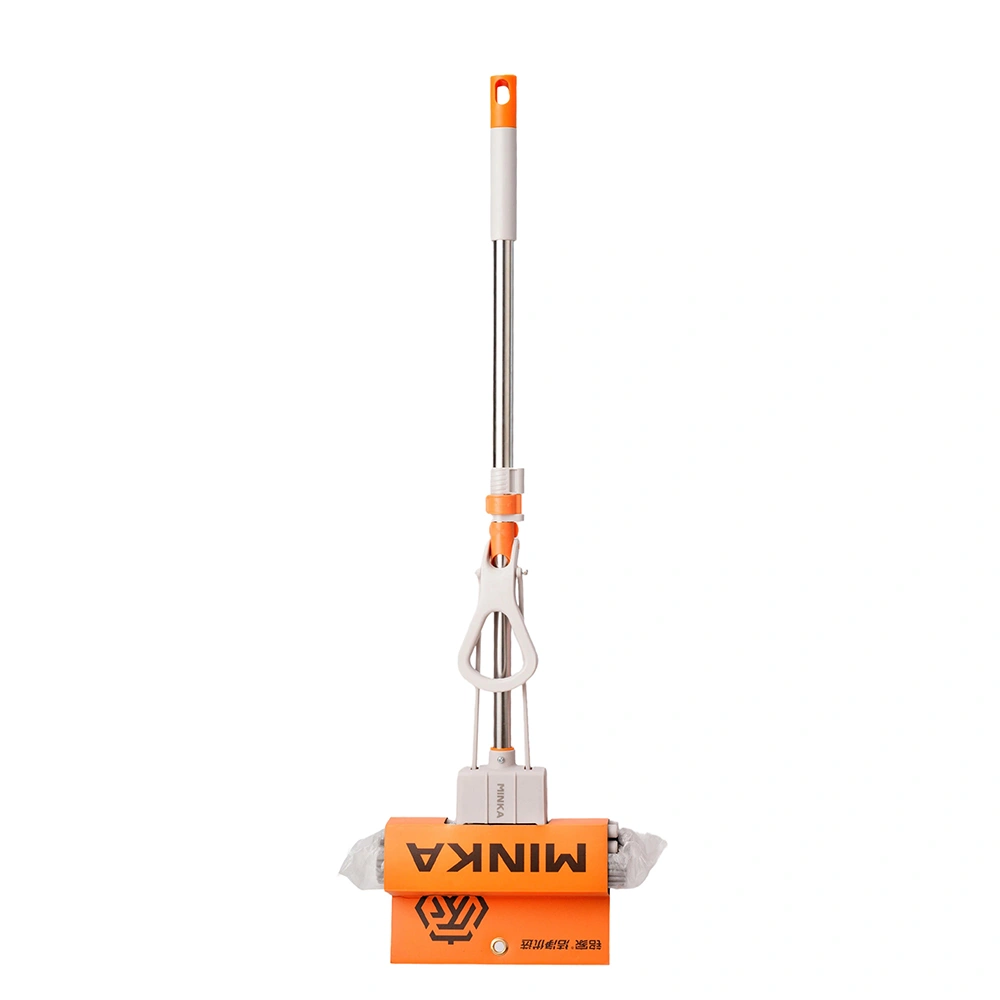
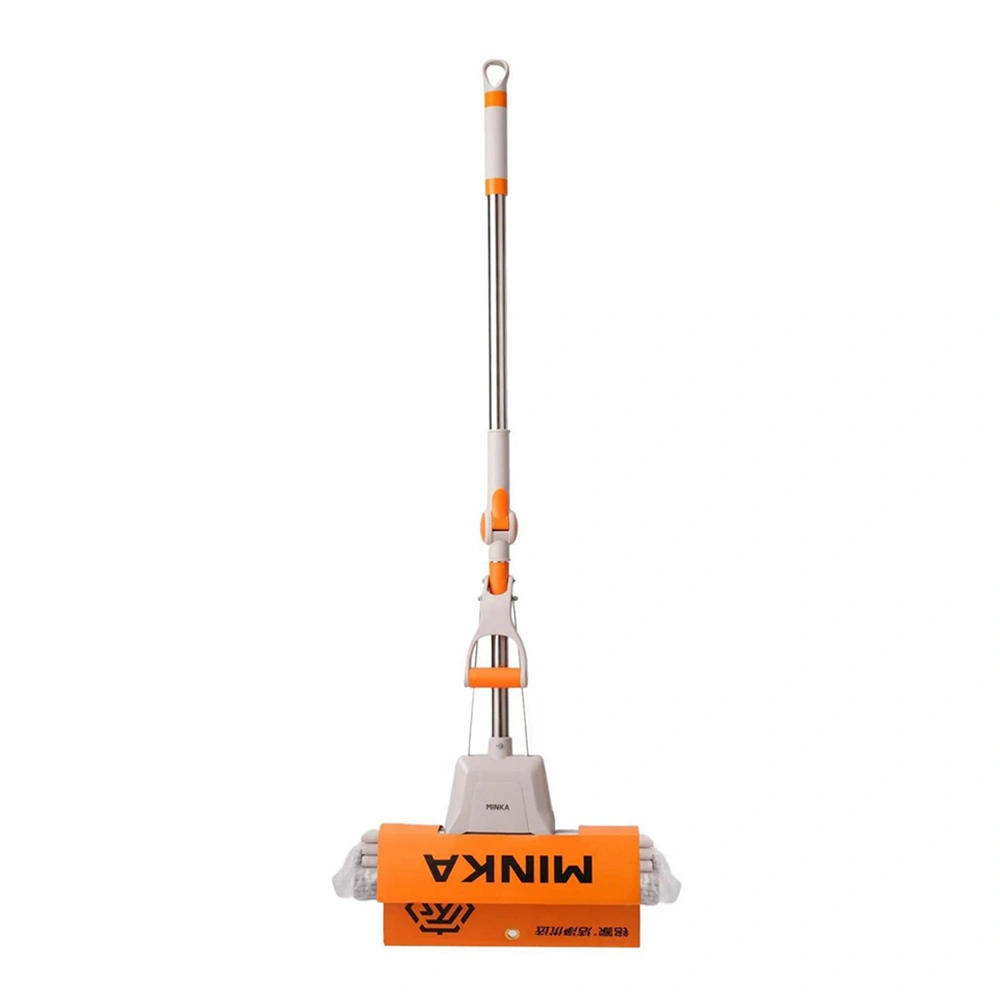
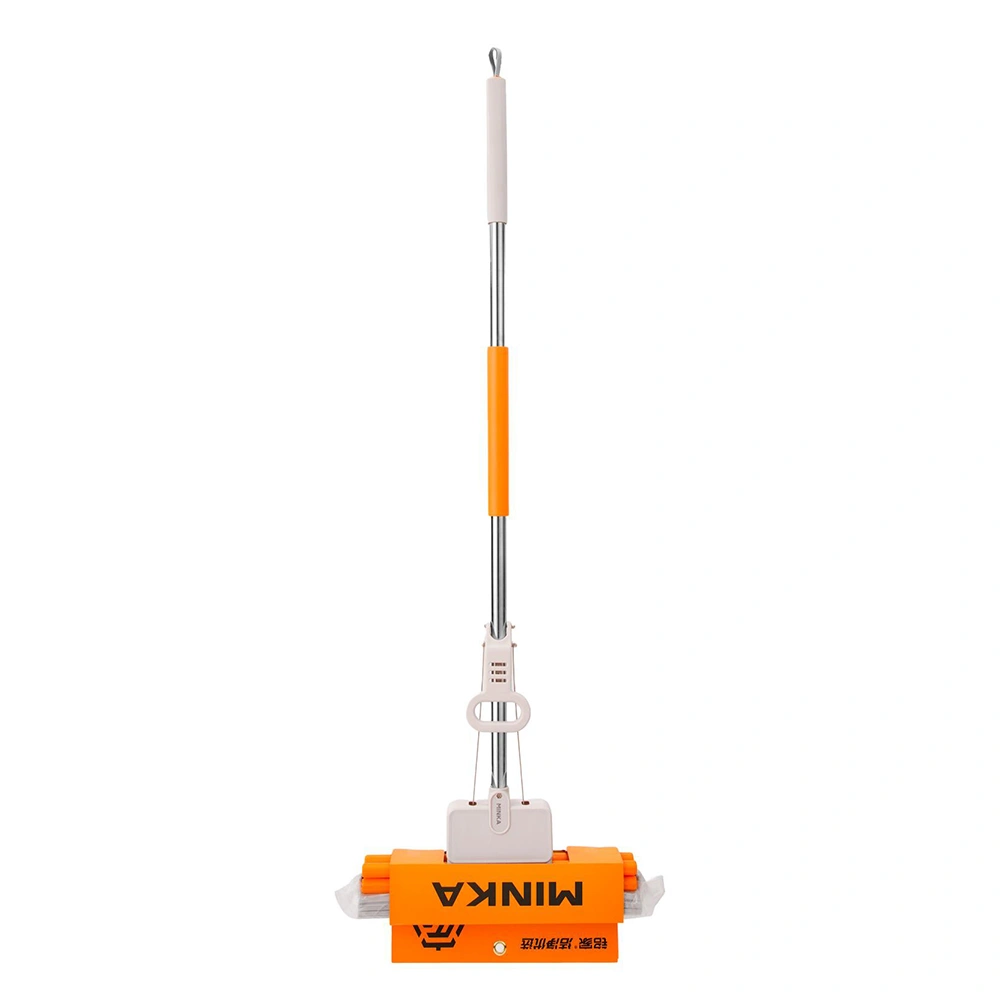
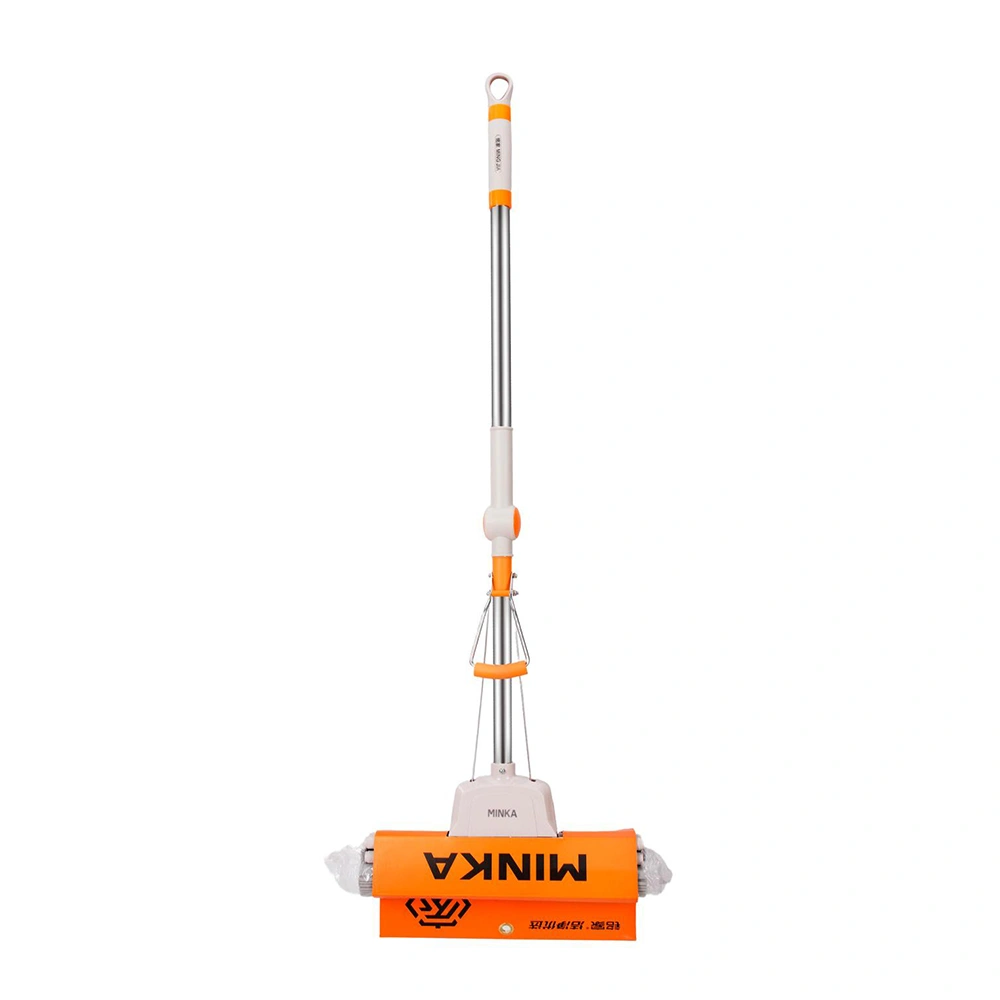
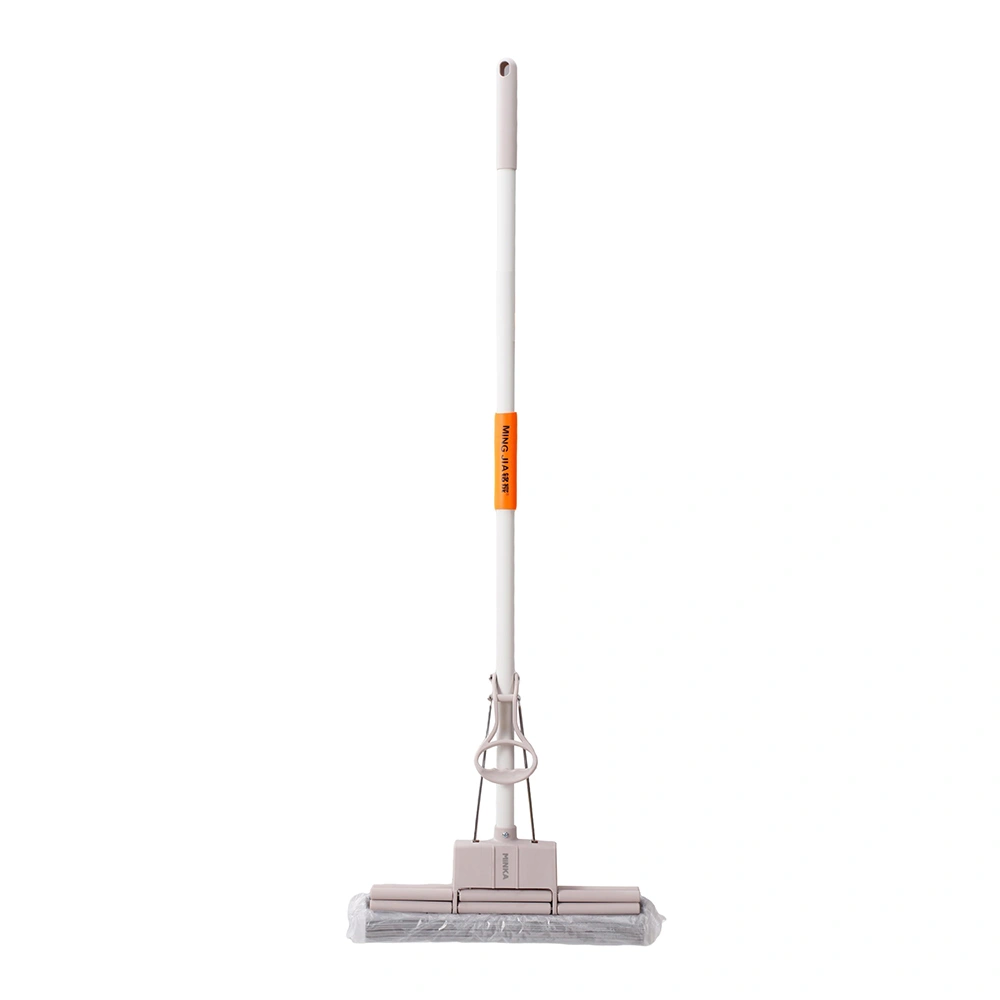
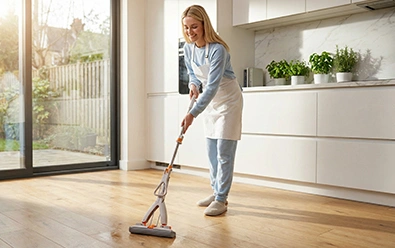
This type of mop boasts exceptional absorbency, allowing it to quickly soak up spilled water from the floor. It is also easy to rinse clean. However, its drawbacks include the significant physical effort required to push it across the floor, as well as its inability to reach and clean tight corners or "dead zones" within a room. Its primary function is the rapid cleanup of liquid spills. *Important Note:* Never expose the sponge head to direct sunlight, as prolonged exposure can easily cause the sponge material to crack.
Double-Sided Mops ▼
These mops offer great convenience; with a simple flip, you can switch to the other side of the mop head to continue cleaning, significantly reducing the frequency with which you need to rinse the mop. Furthermore, they are effective at cleaning dust and debris in many of a room's hard-to-reach corners. The only minor drawback is that after absorbing dirt and grime over a long period, the fibers themselves can become difficult to clean thoroughly. This type of mop is primarily suited for cleaning ceilings, high walls, and similar elevated surfaces.
Spin Mops ▼
The defining feature of these mops is the sheer convenience they offer during cleaning—you can complete the entire task without ever having to get your hands wet! Additionally, you can swap out the mop heads to suit different types of flooring. The main disadvantage is that the mechanical spinning mechanism may malfunction if the mop is not used correctly. These mops are primarily suitable for use on wooden floors, vinyl flooring, and similar surfaces.
Dusting Sheet Mops ▼
These mops utilize the friction generated by a fabric sheet to create static electricity, which then attracts and traps hair, fine dust, and small debris. While the mop head itself requires no washing (as the sheets are disposable), it is ineffective at removing stubborn stains from the floor. It is best suited for cleaning dry floors, dusting corners, and similar light cleaning tasks.
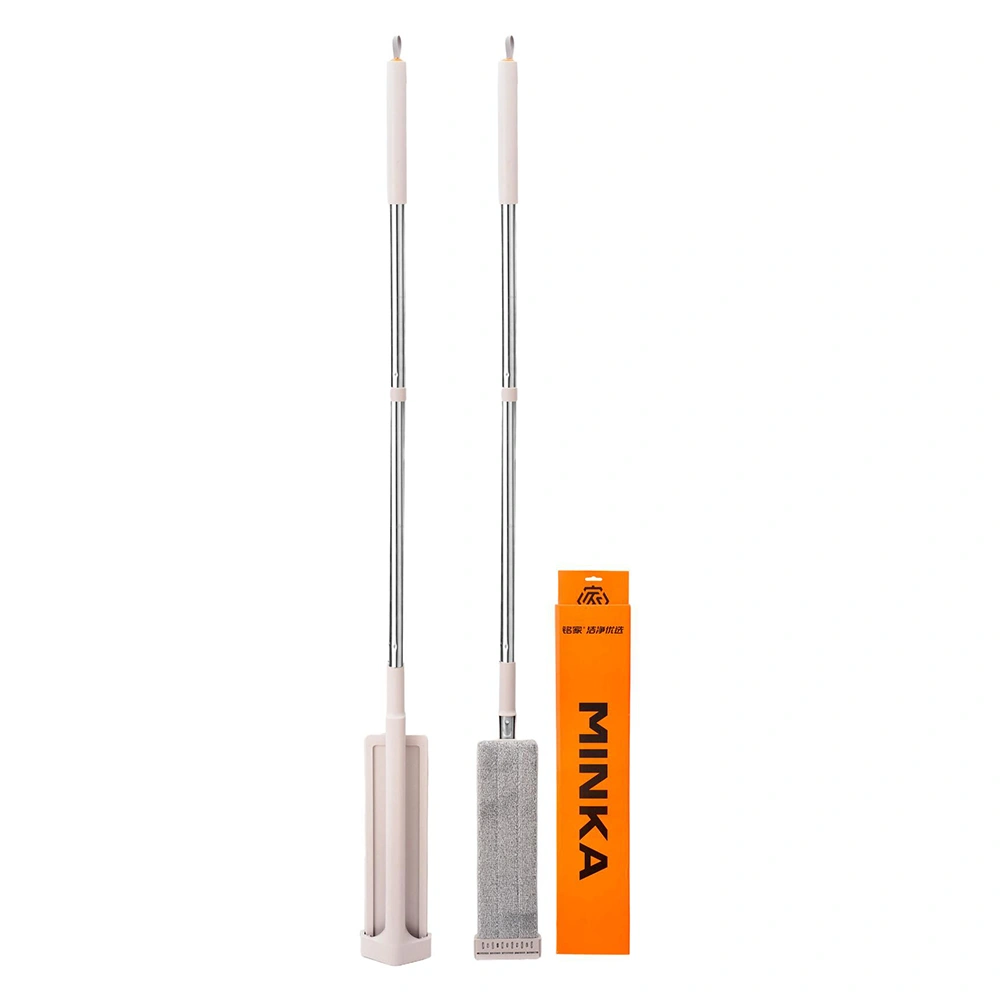
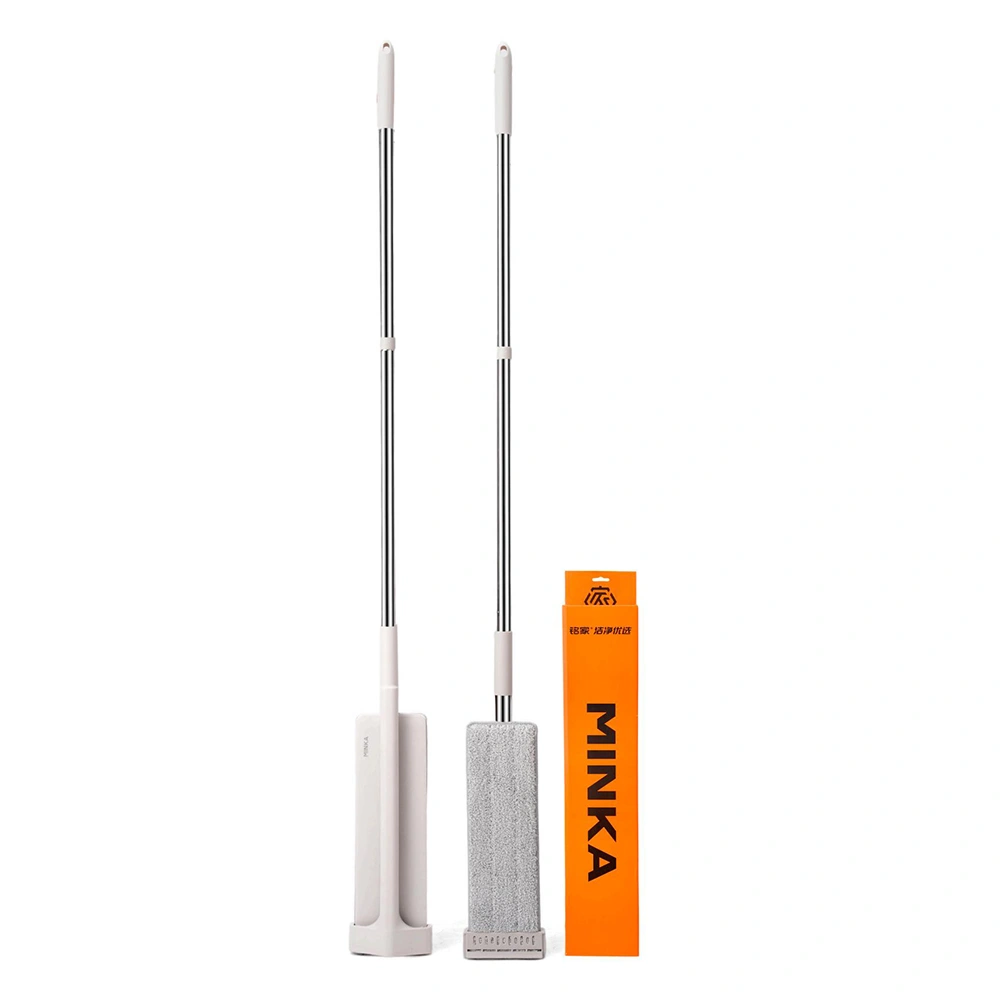
Flat Mops ▼
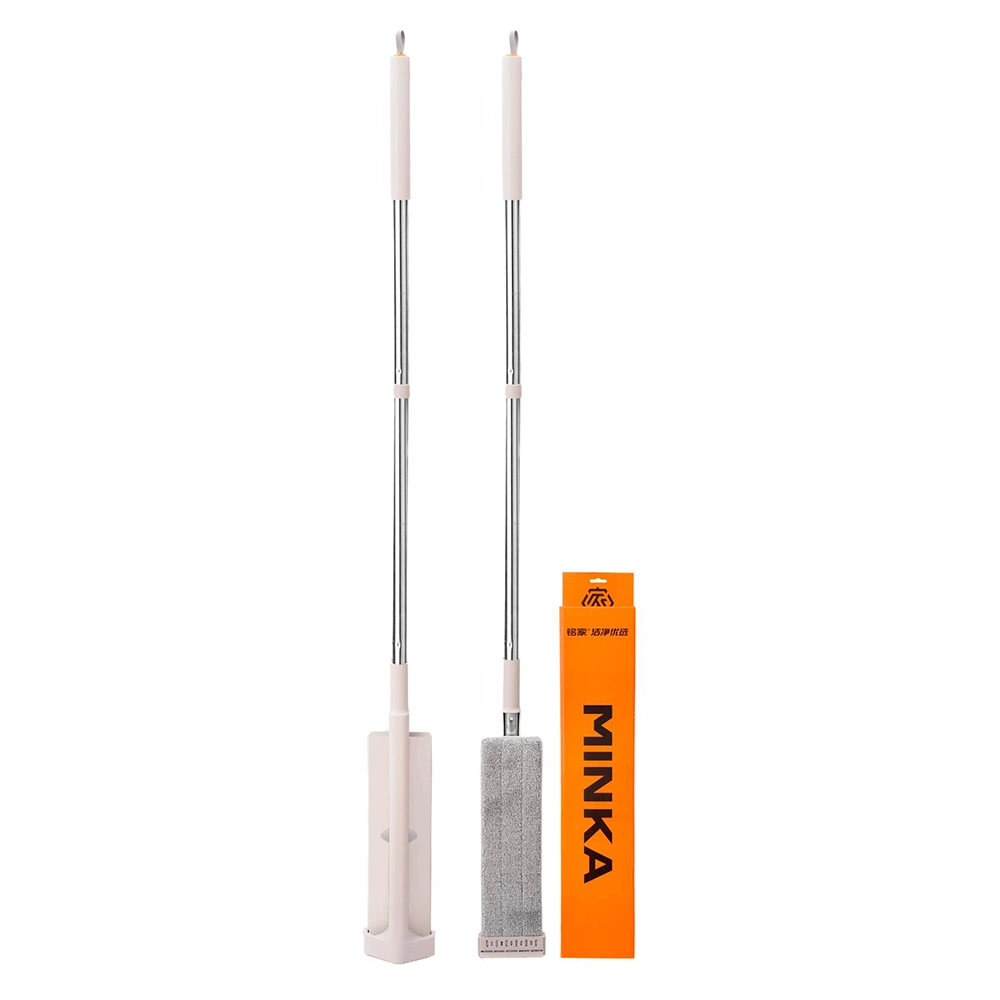
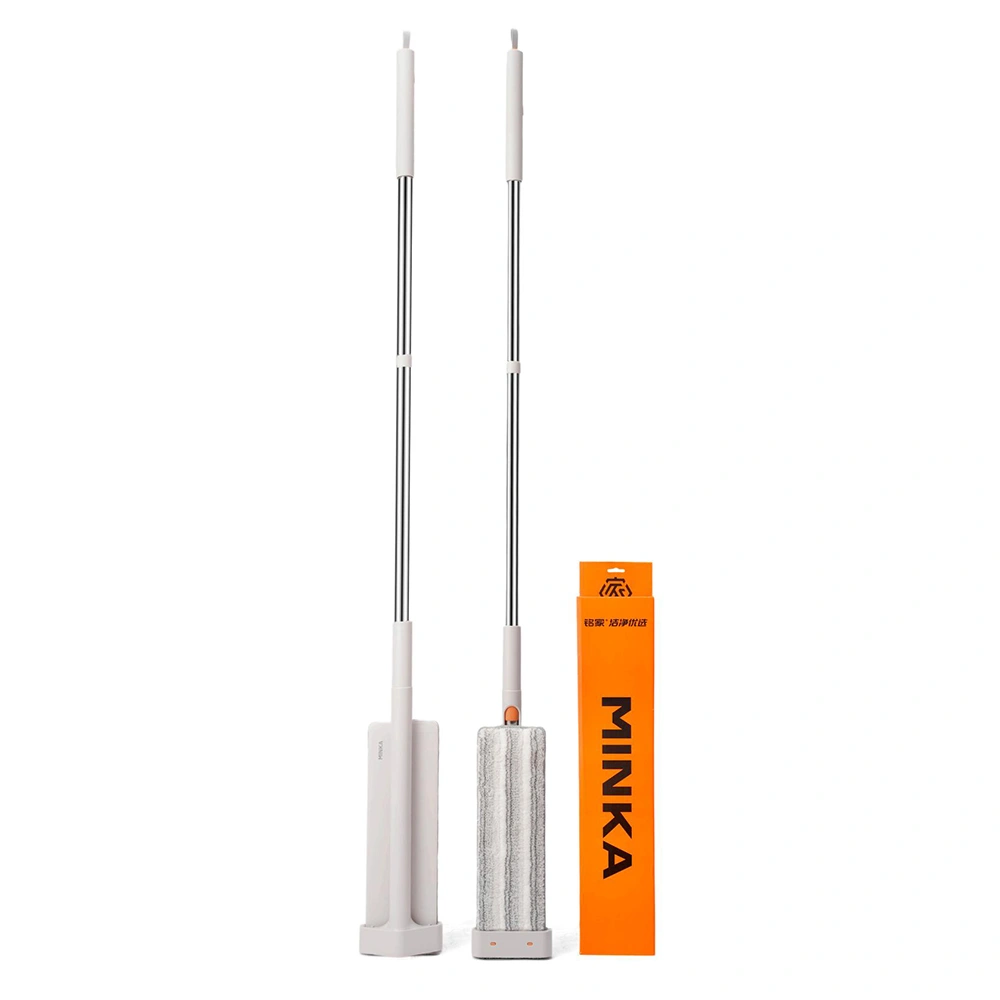
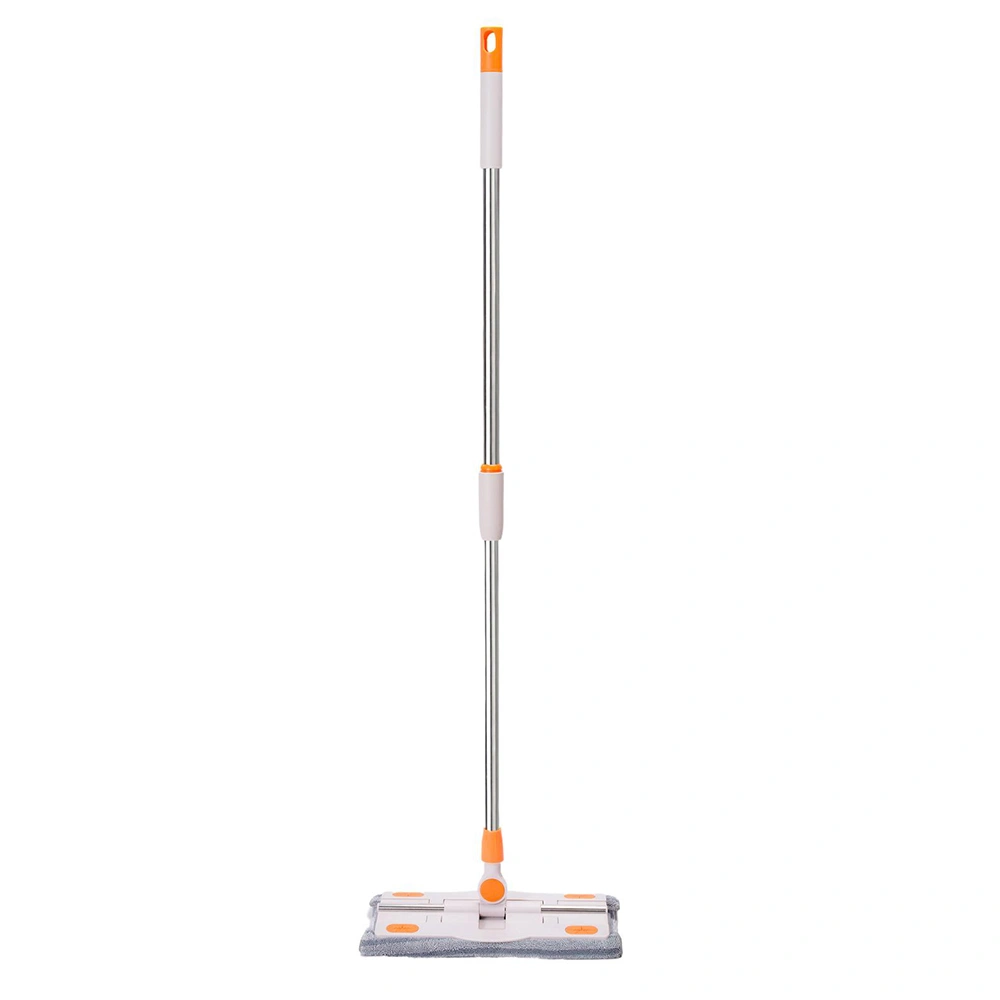
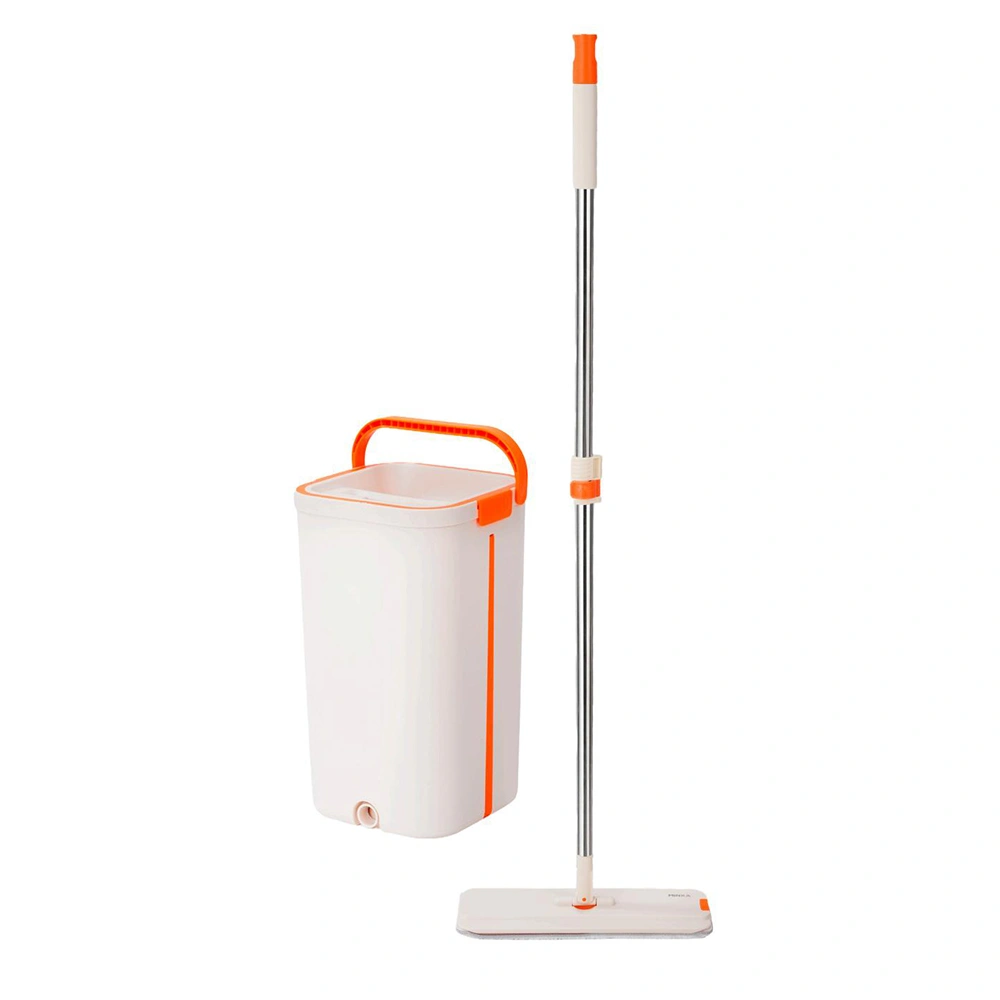
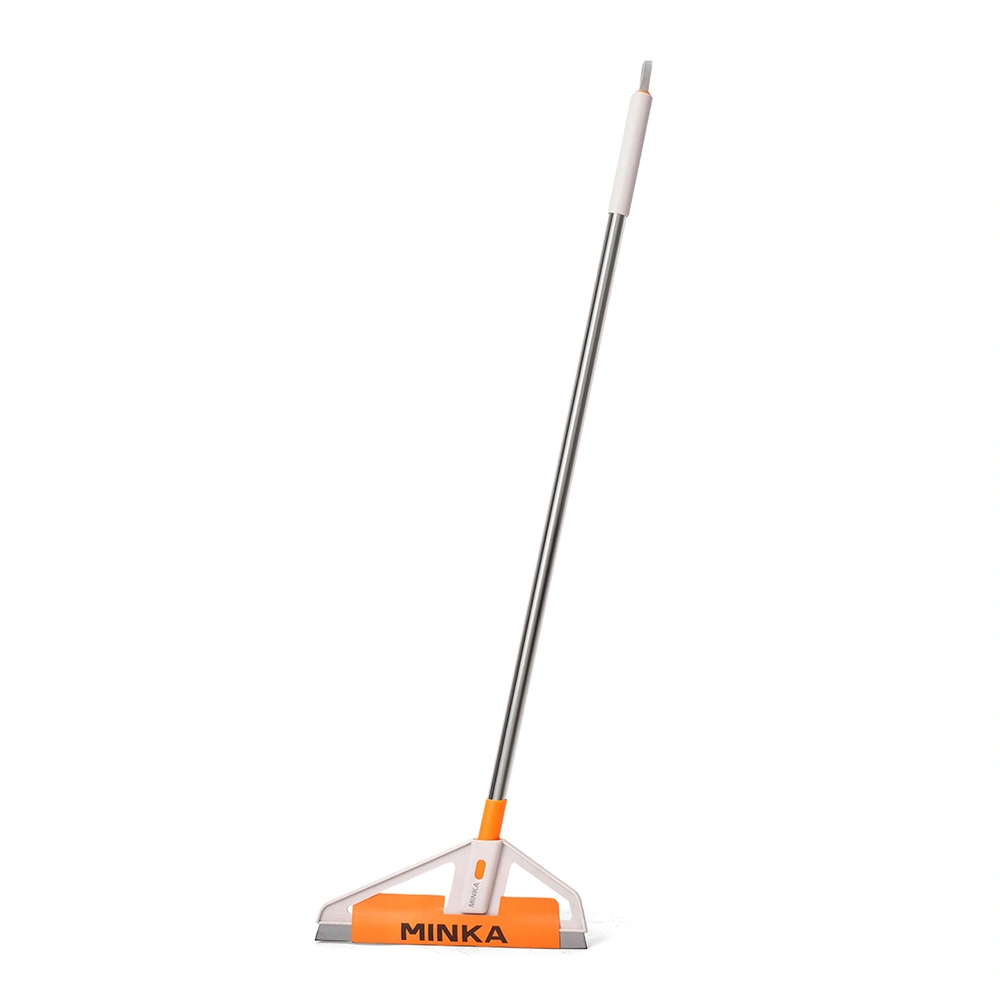
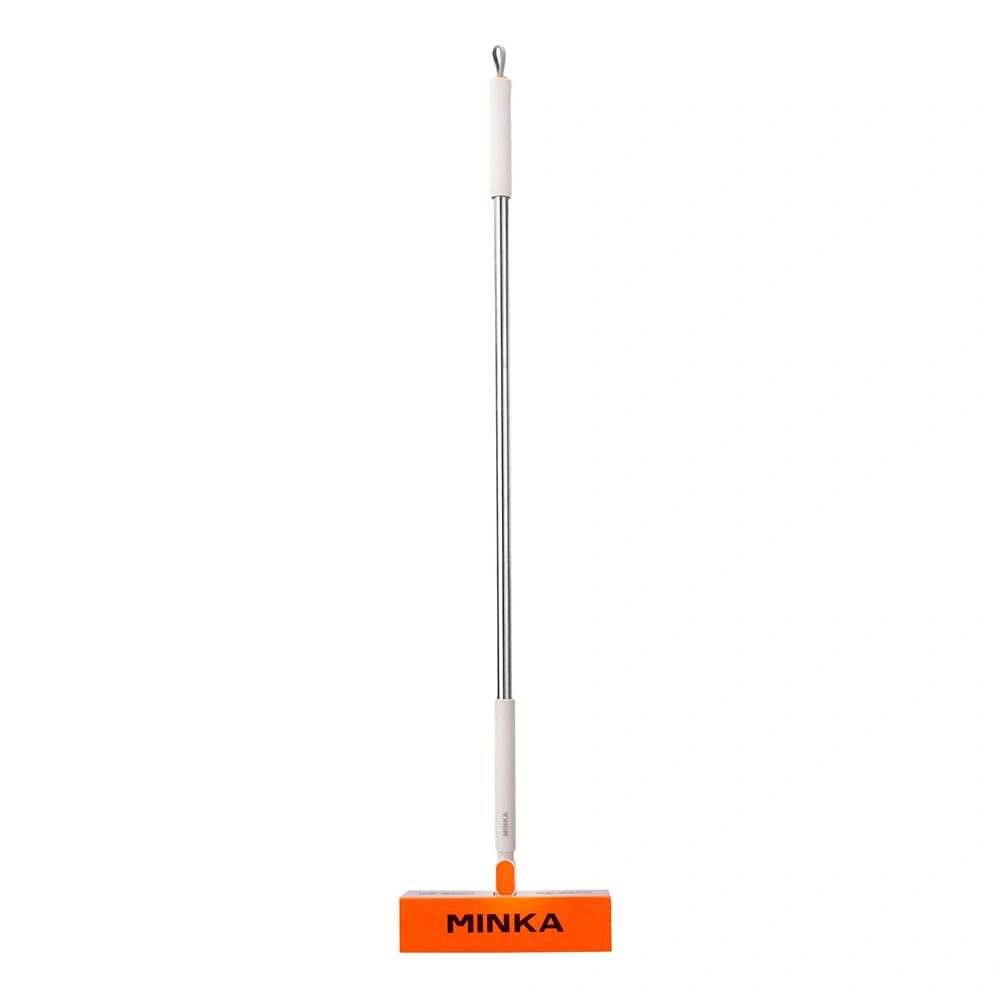
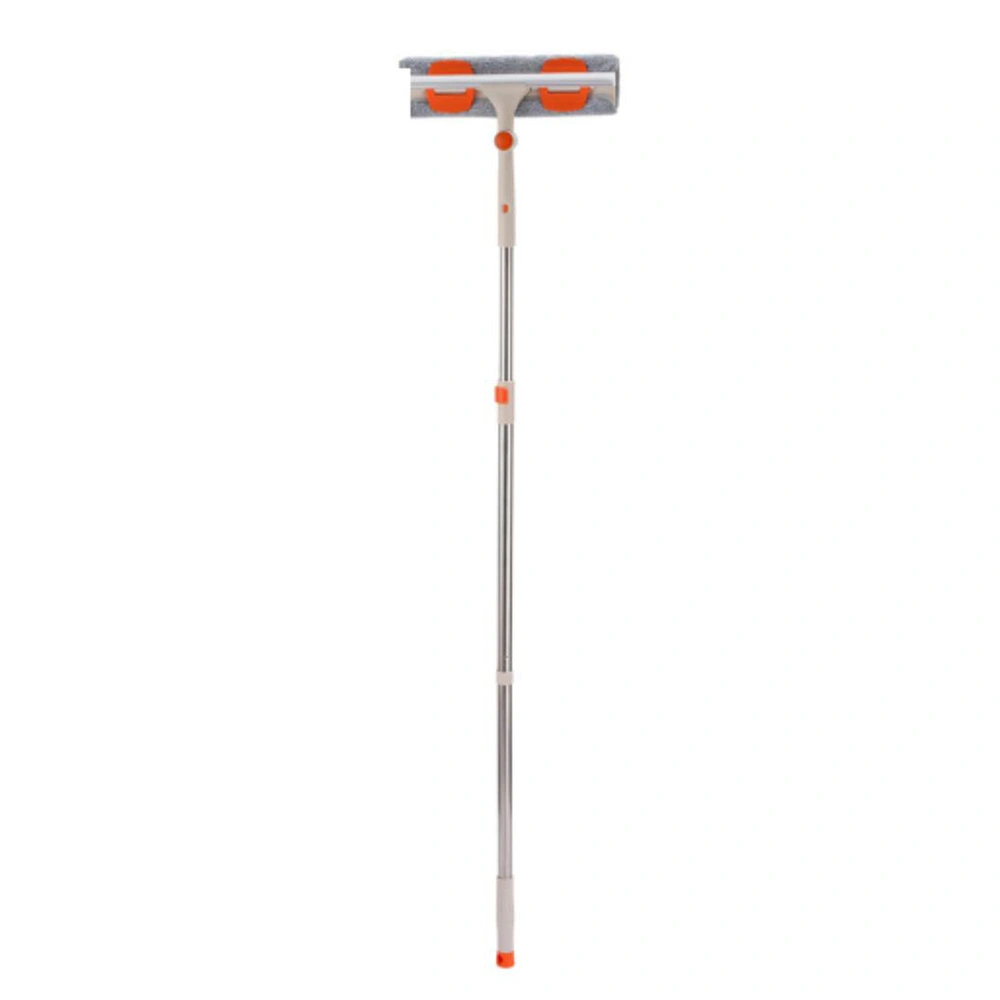
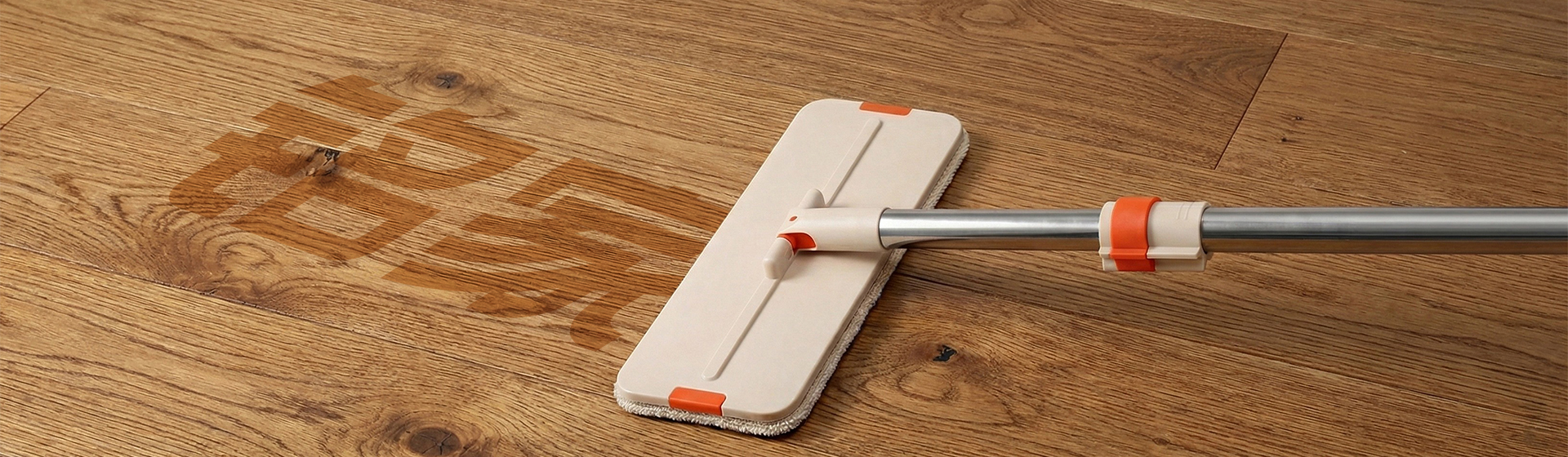
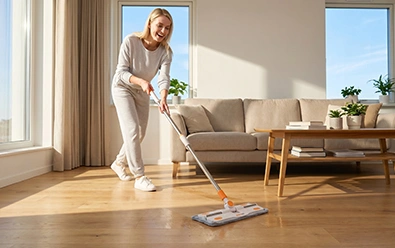
These mops are incredibly versatile and powerful. Beyond standard floor mopping, the mop head can be swapped out for attachments such as a squeegee or a brush, allowing you to clean other areas—for instance, cleaning cabinets, furniture, wall corners, and more.
Hopefully, you now have a clear understanding of the different types of mops available! Remember: always choose the right mop for the specific type of dirt or stain you are trying to clean!



 浙公网安备33078402101488号