






Which mop is best for mopping floors? What is the most effective way to mop for a thorough clean?
I believe everyone desires a clean and comfortable home. To keep a home clean, a mop is an indispensable tool. However, given the vast array of mops available on the market today, selecting the right one can be quite a challenge. Below, I will introduce you to the best types of mops for floor cleaning and share some tips on how to achieve the cleanest results.
Which Mop Is Best for Cleaning Floors?
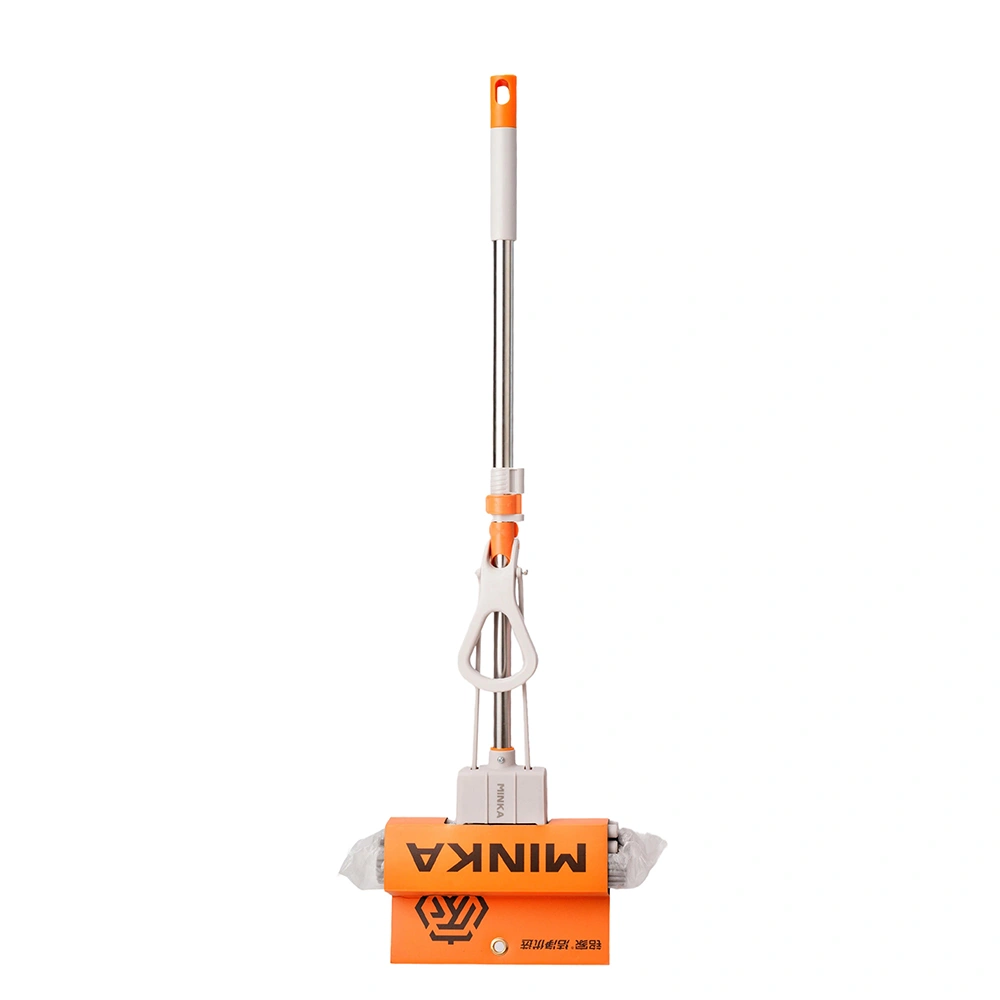
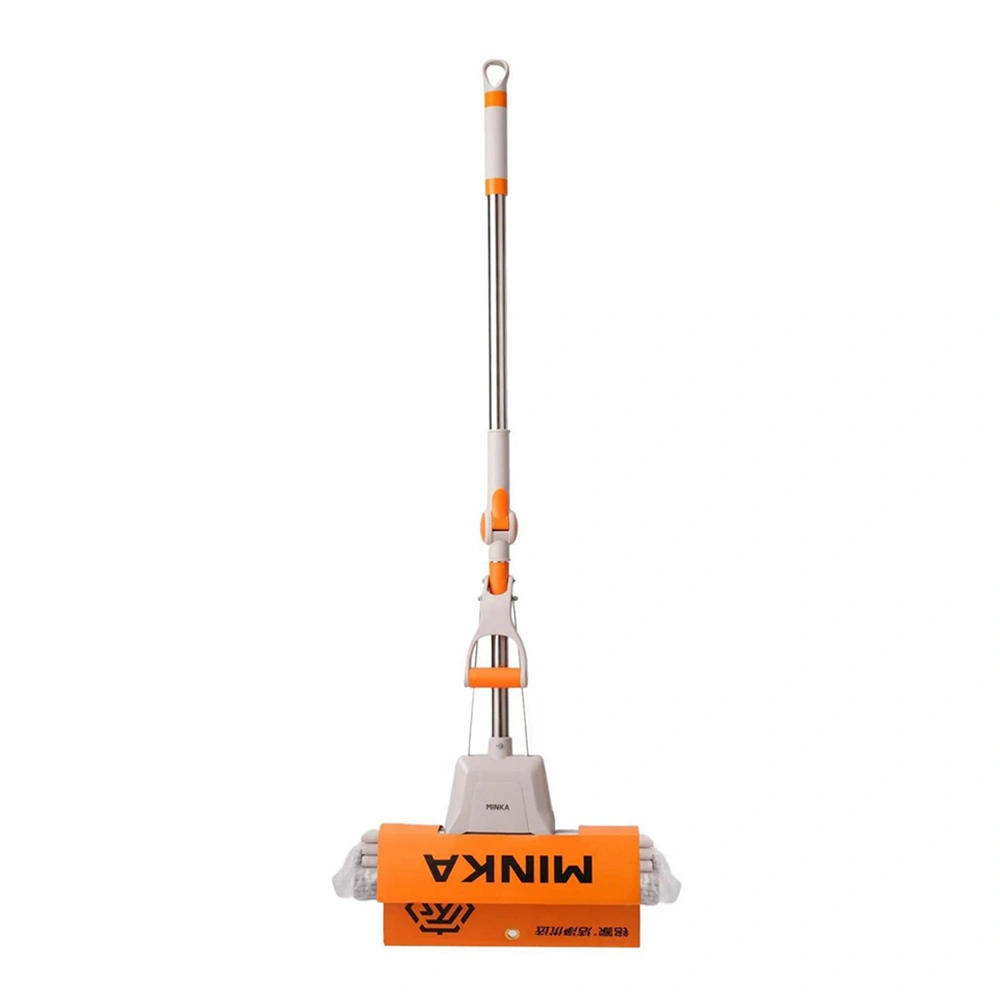
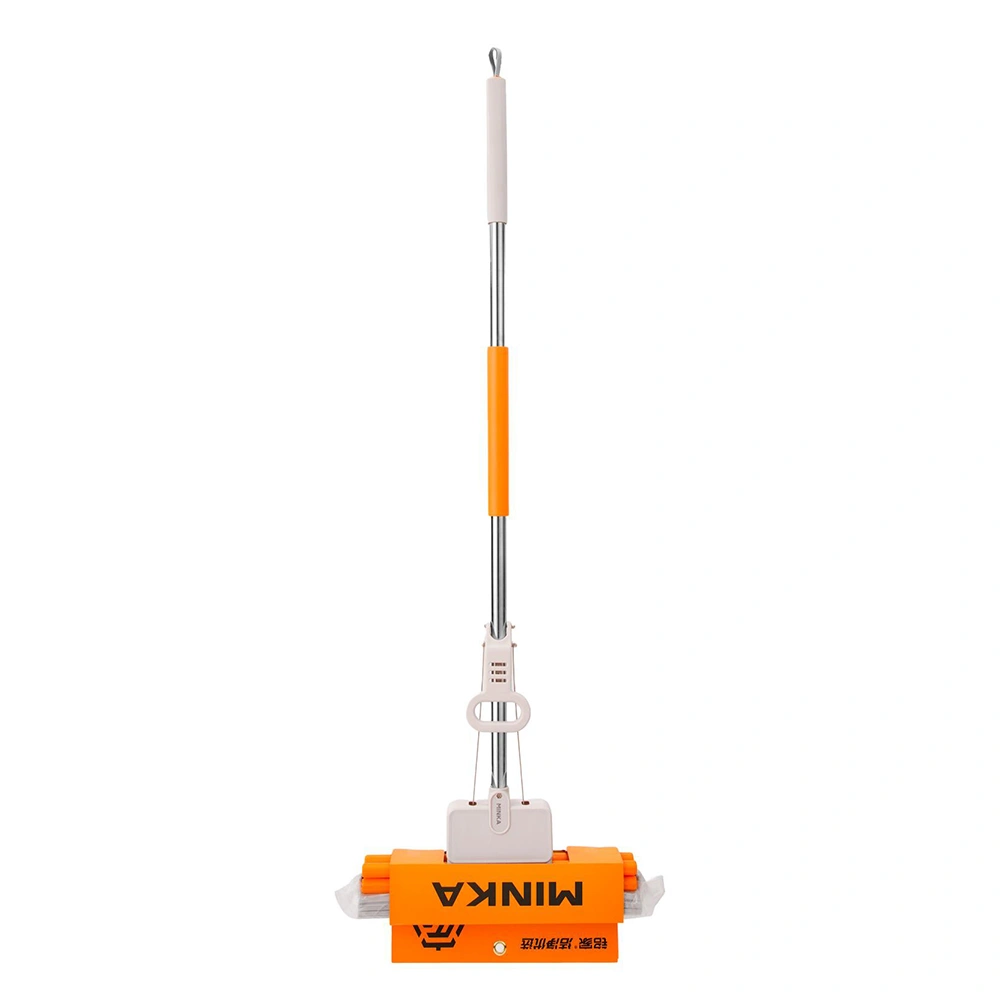
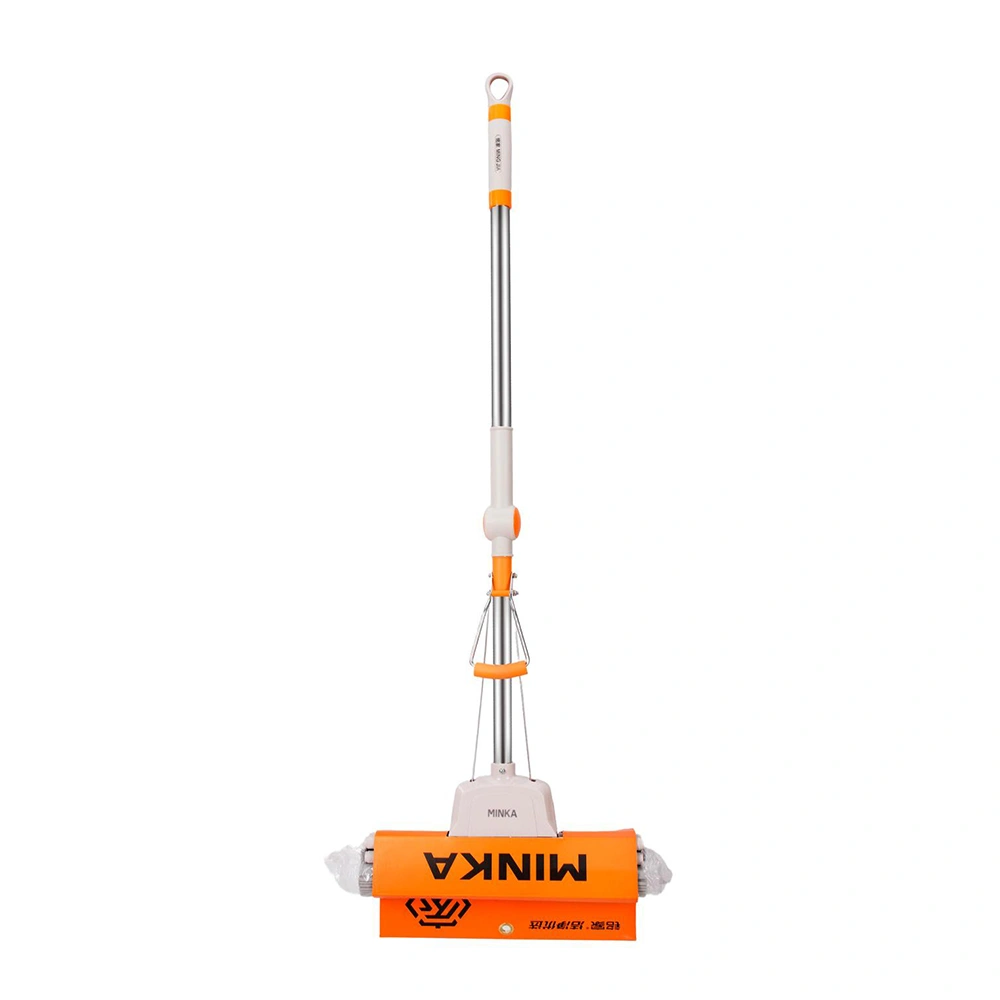
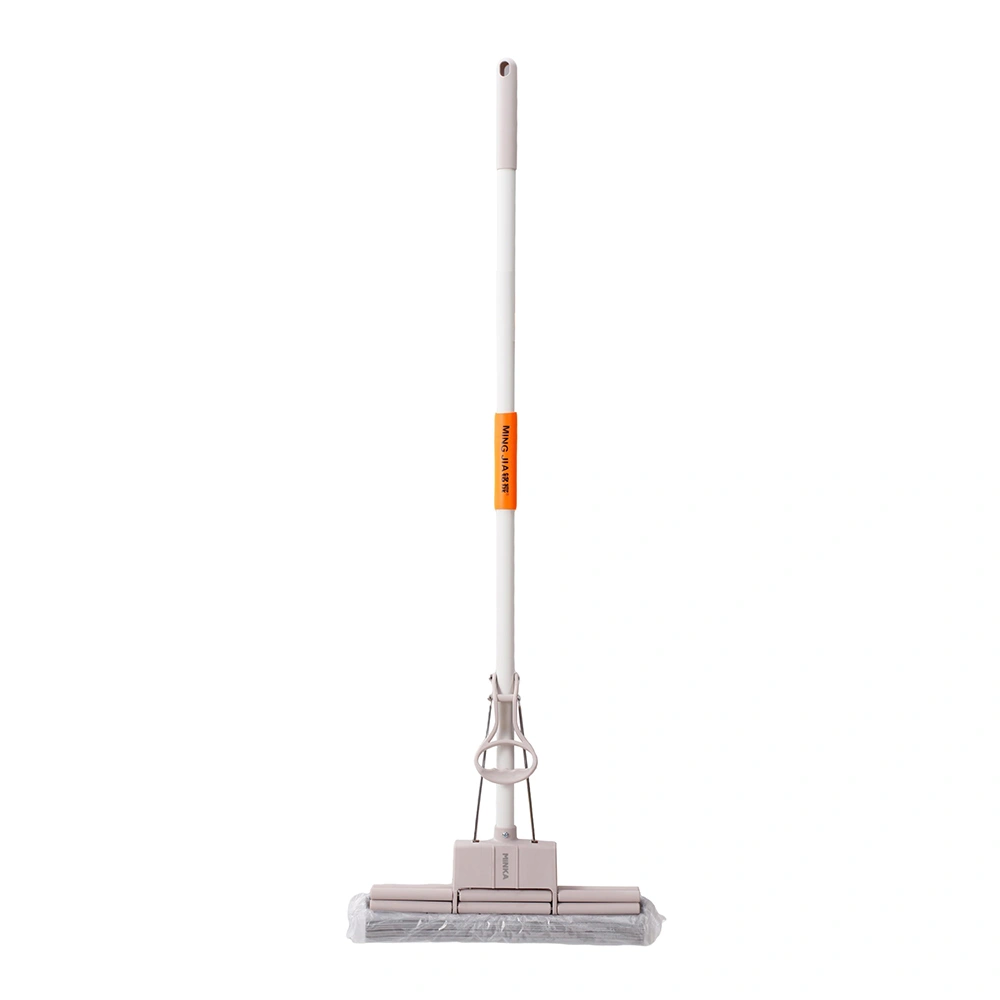
Sponge Mops
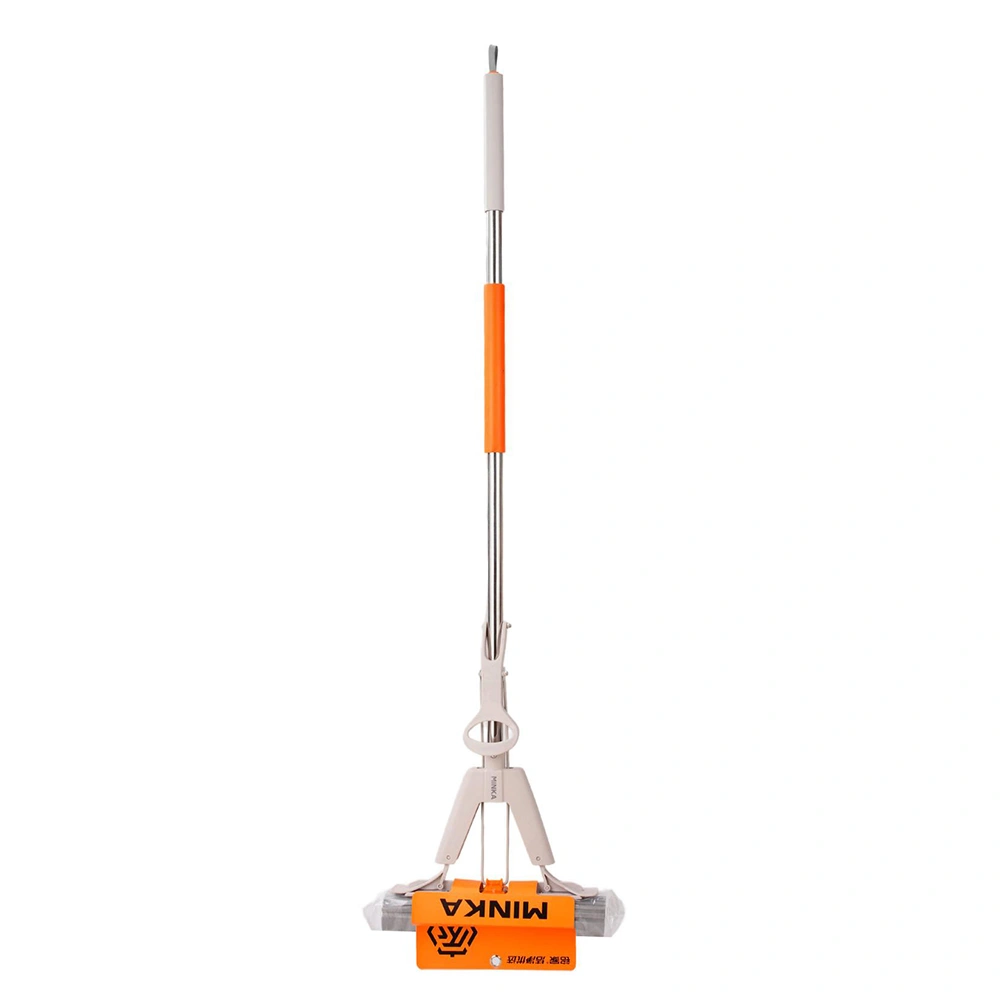
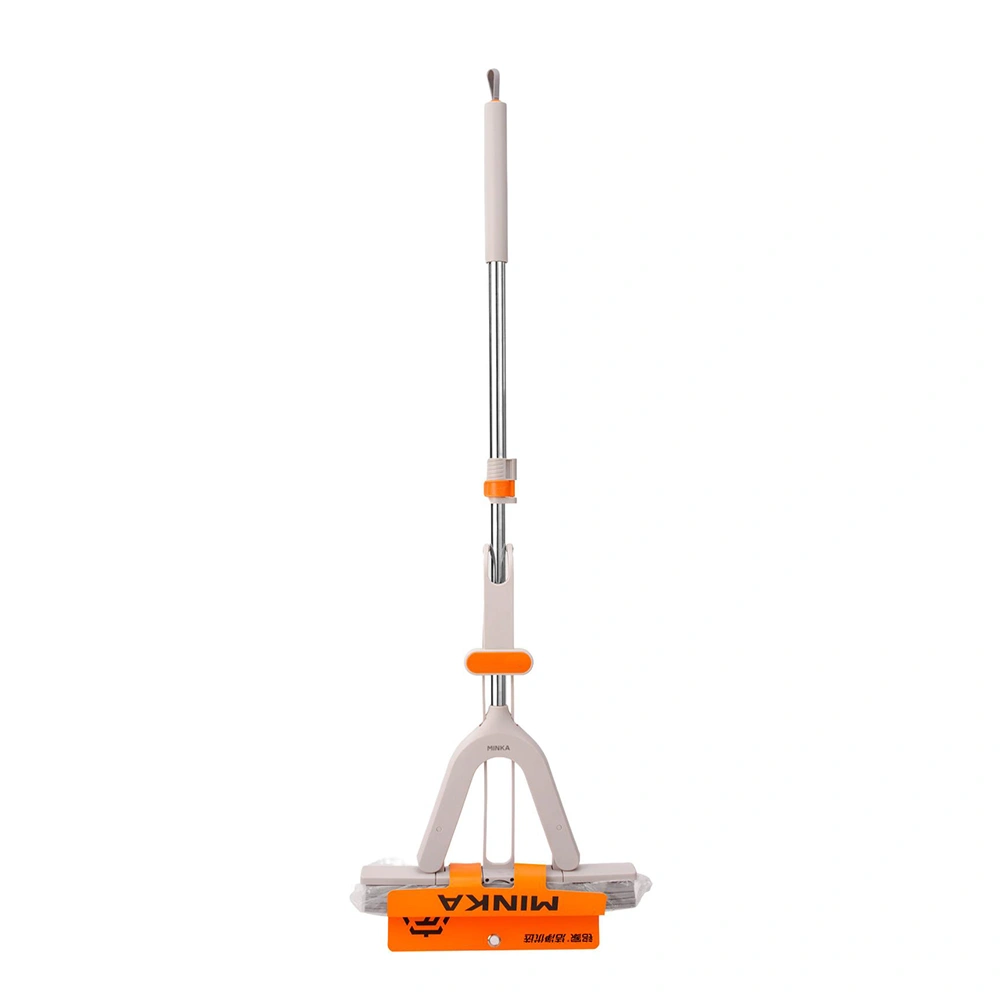
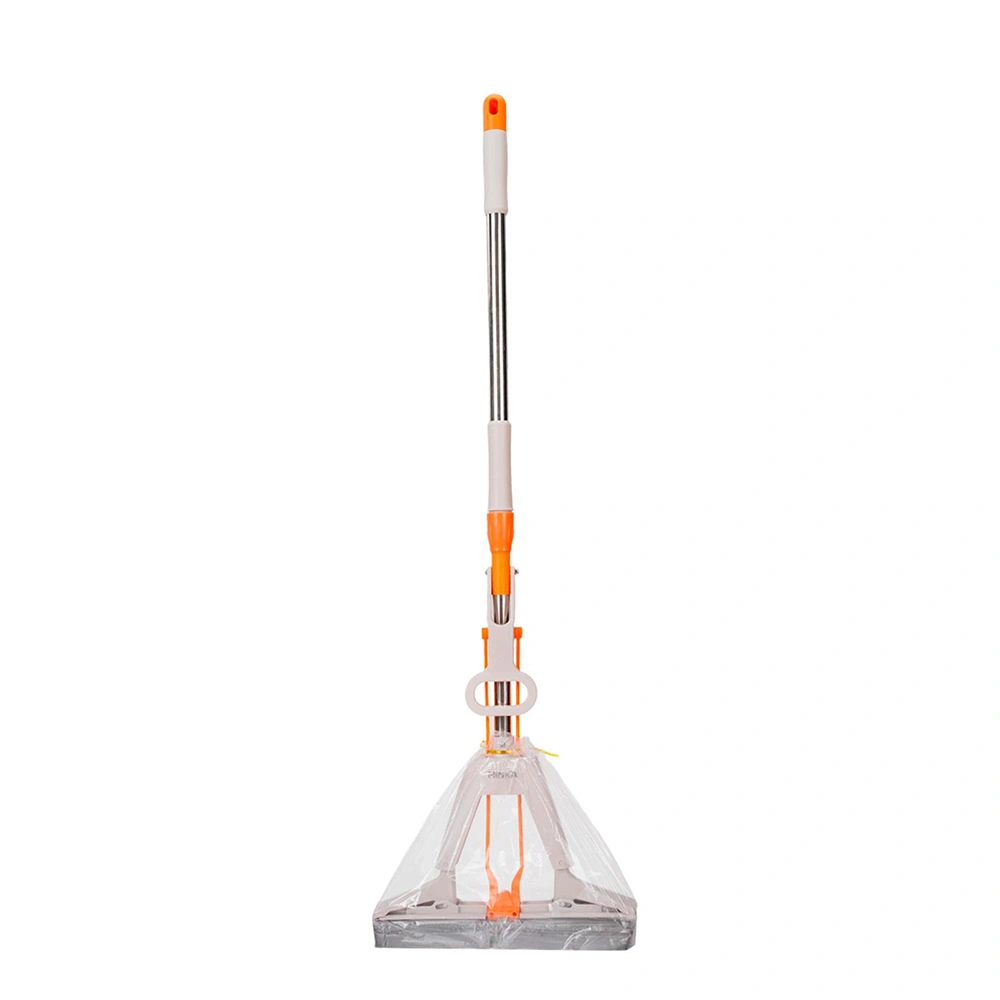
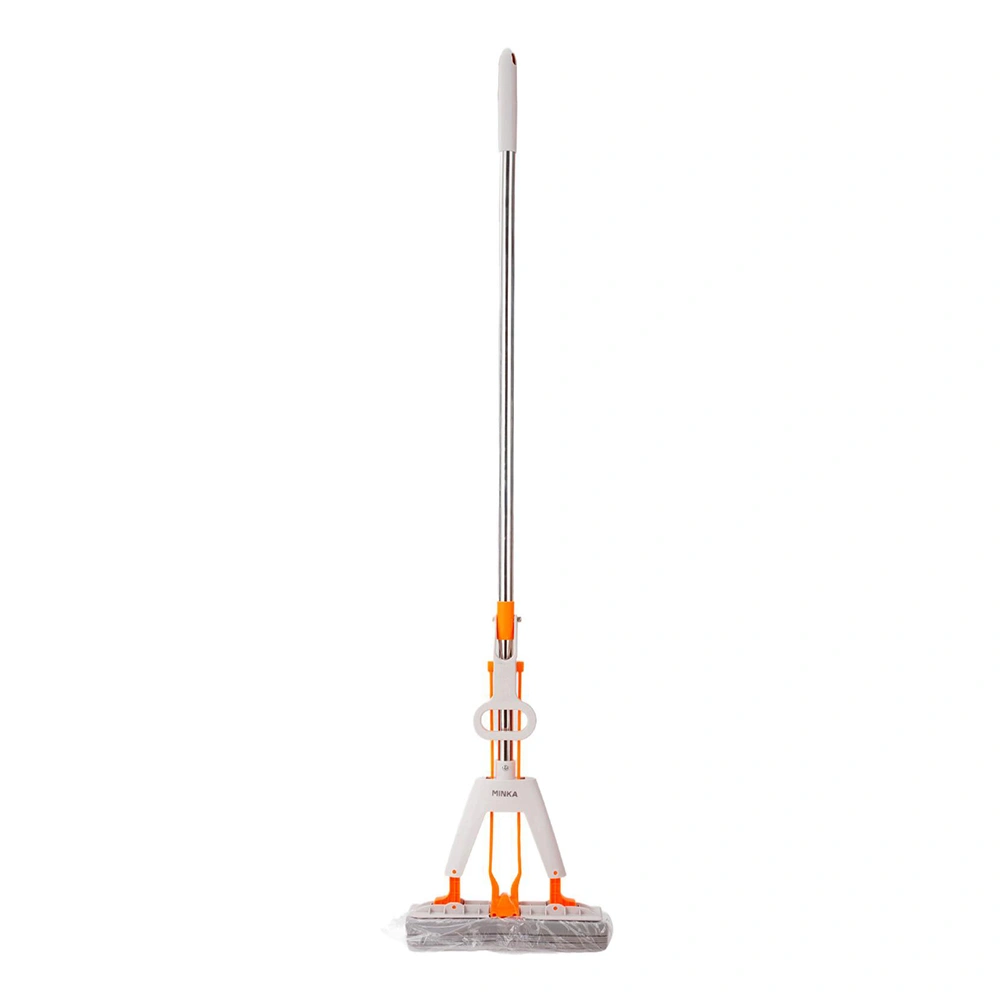
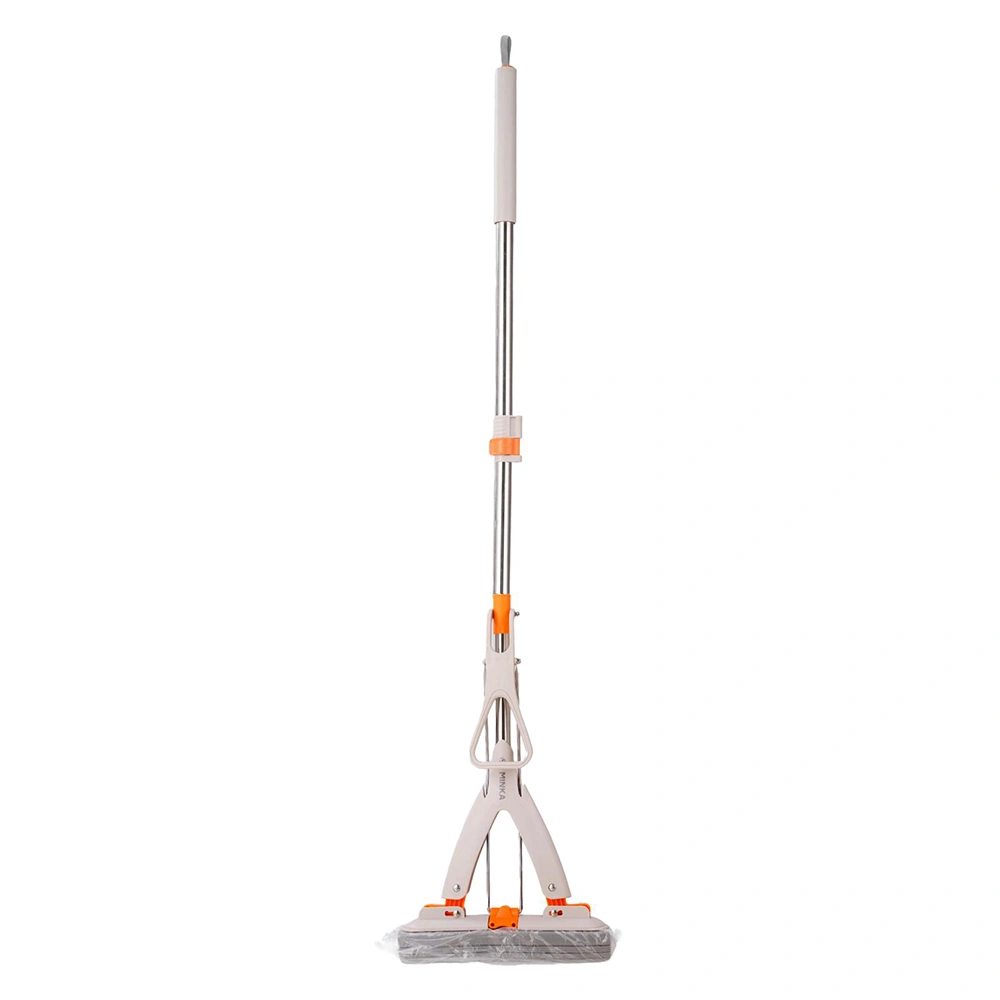
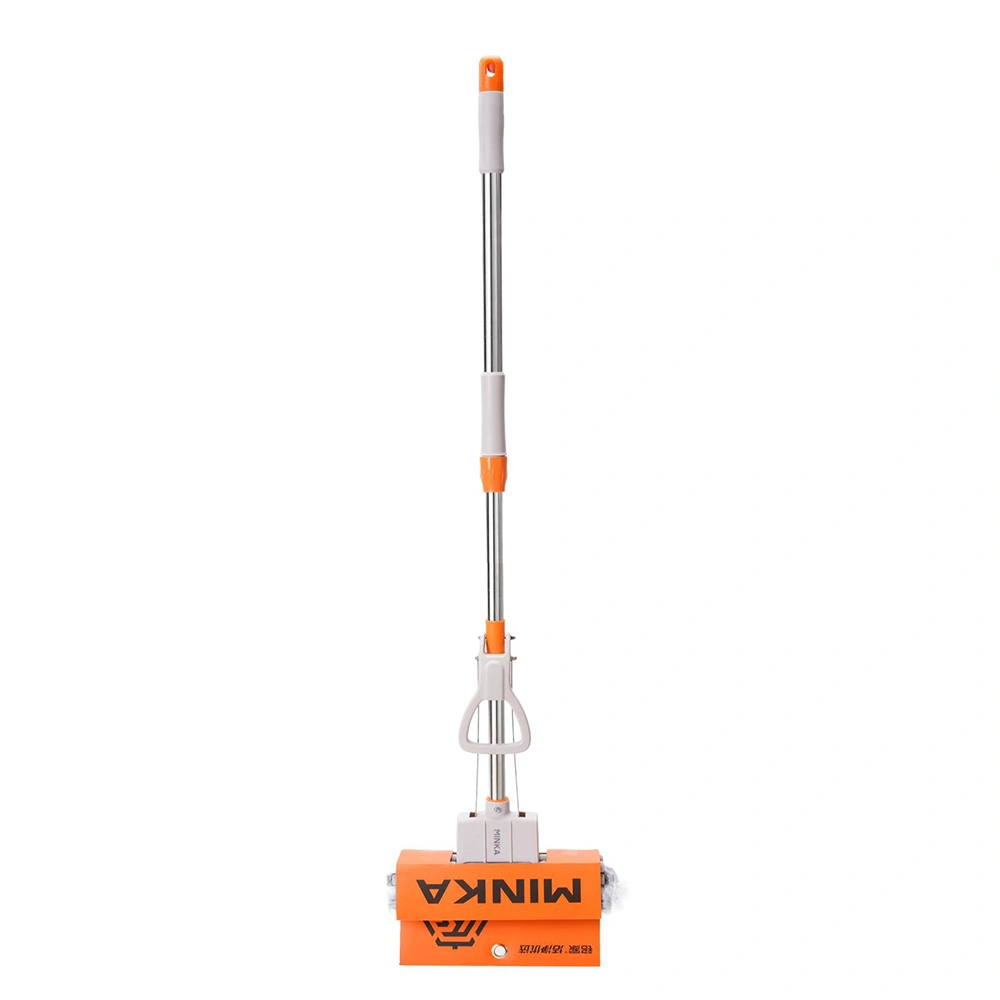
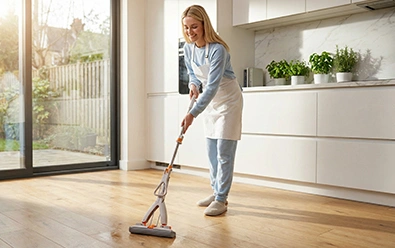
First and foremost, it is important to understand that the sponge material used in these mops possesses exceptional absorbent qualities—its water-retention capability is superior to that of any other material. Furthermore, the high-fiber design of the mop head allows it to firmly trap debris and dust particles. Consequently, this type of mop is particularly convenient to use. In contrast, traditional mops—which typically feature cloth strip heads—often struggle to absorb water effectively during use. This frequently leads to incomplete cleaning results, creating a demand for more versatile mops to replace these traditional models. Sponge mops also simplify the rinsing process; with just a gentle pull, you can easily wring out the dirty water trapped inside.
Rag Mop
This could arguably be described as the most primitive type of mop—essentially just a long handle fitted with cloth strips. Its design is quite simple, and the price point appears to be quite affordable. However, its cleaning performance is truly mediocre; both wringing it out and washing it are extremely laborious tasks. Furthermore, it feels relatively heavy to use, and the cloth strips are prone to harboring bacteria. Consequently, this type of mop is best suited for the initial cleanup of newly renovated homes—though it is absolutely essential to ensure it is thoroughly dried after every use.
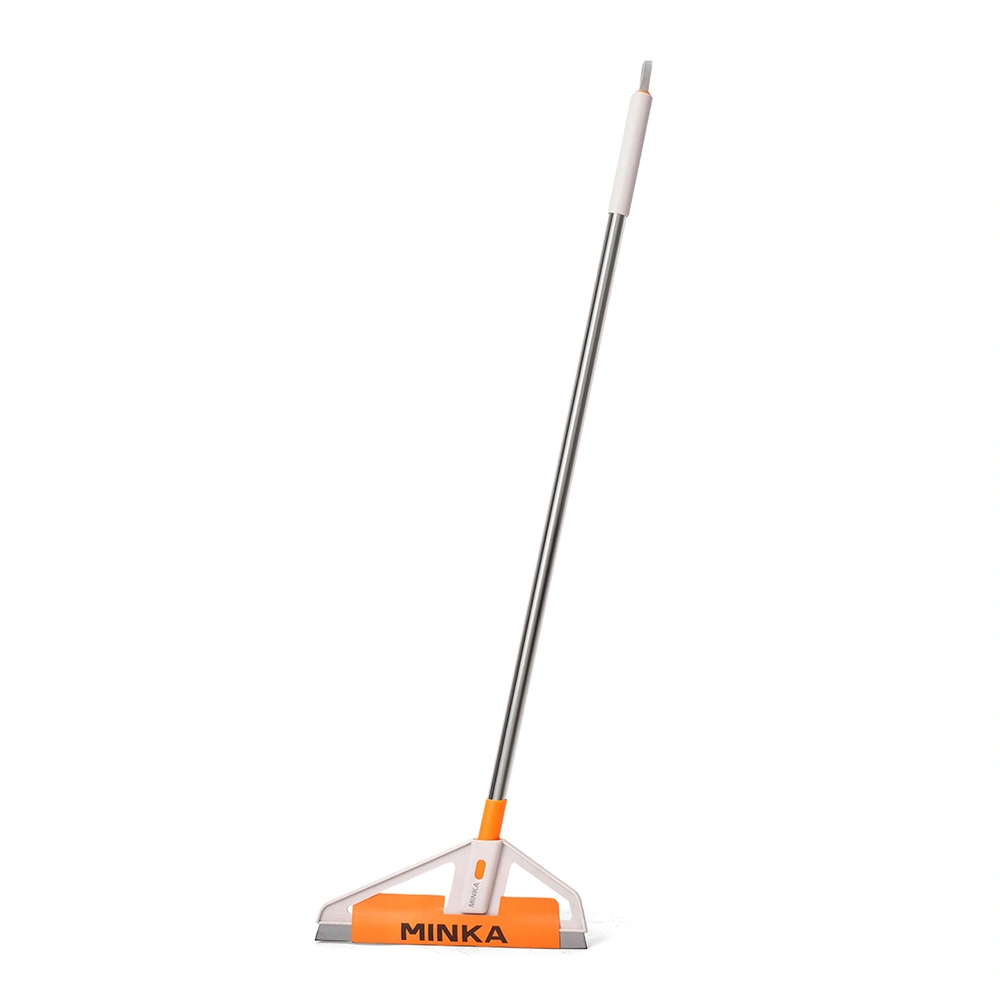
Flat Mops
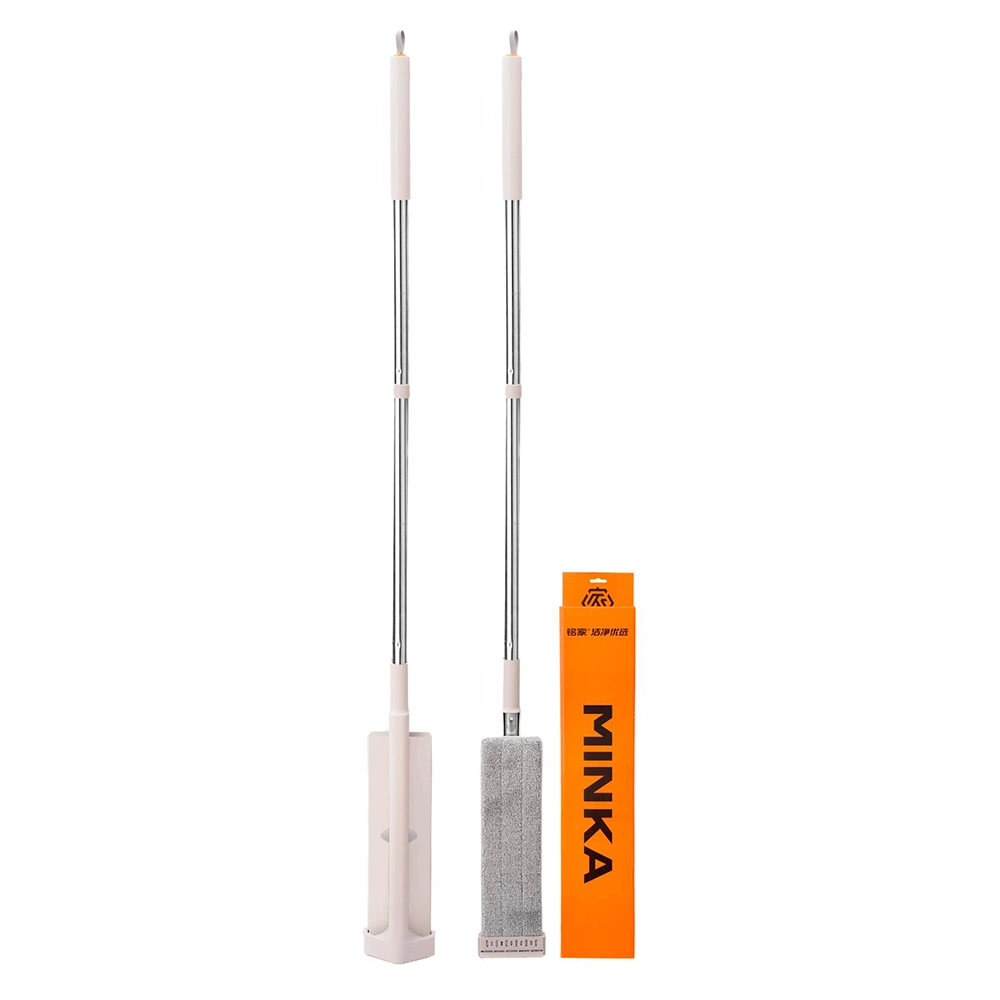
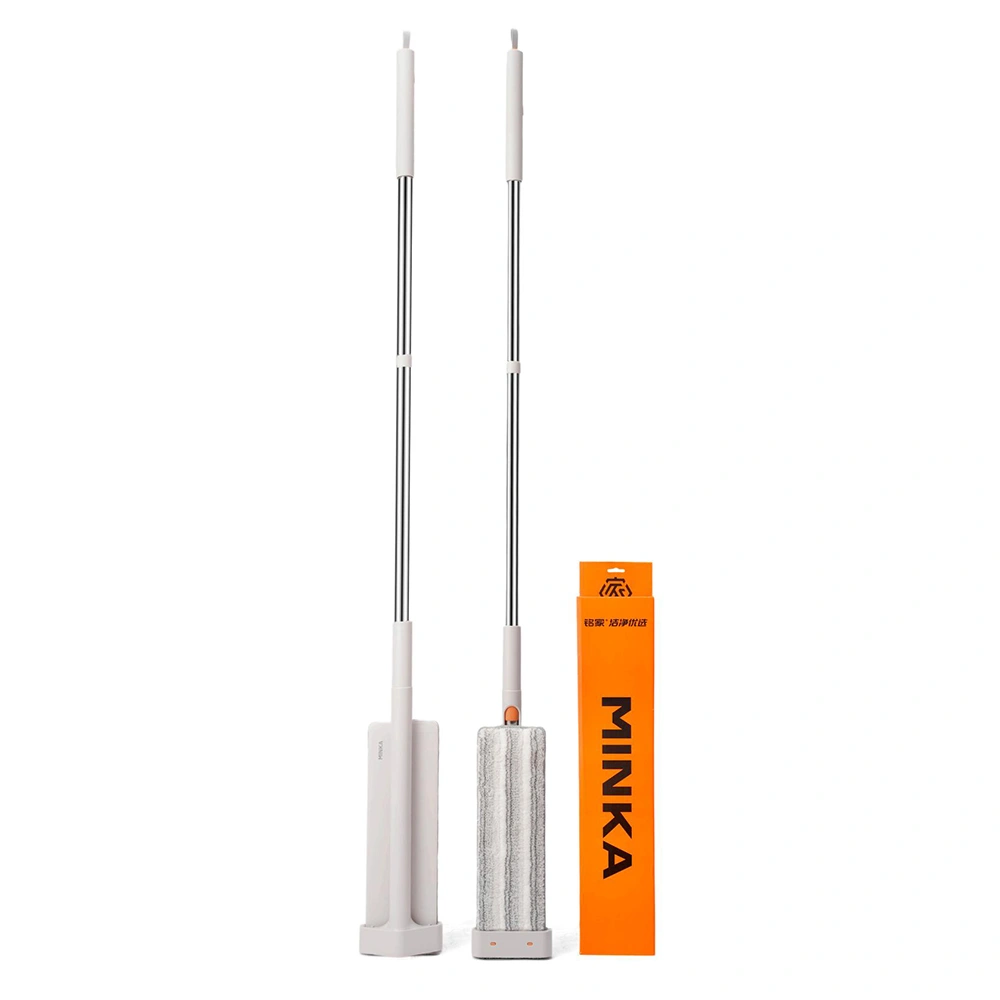
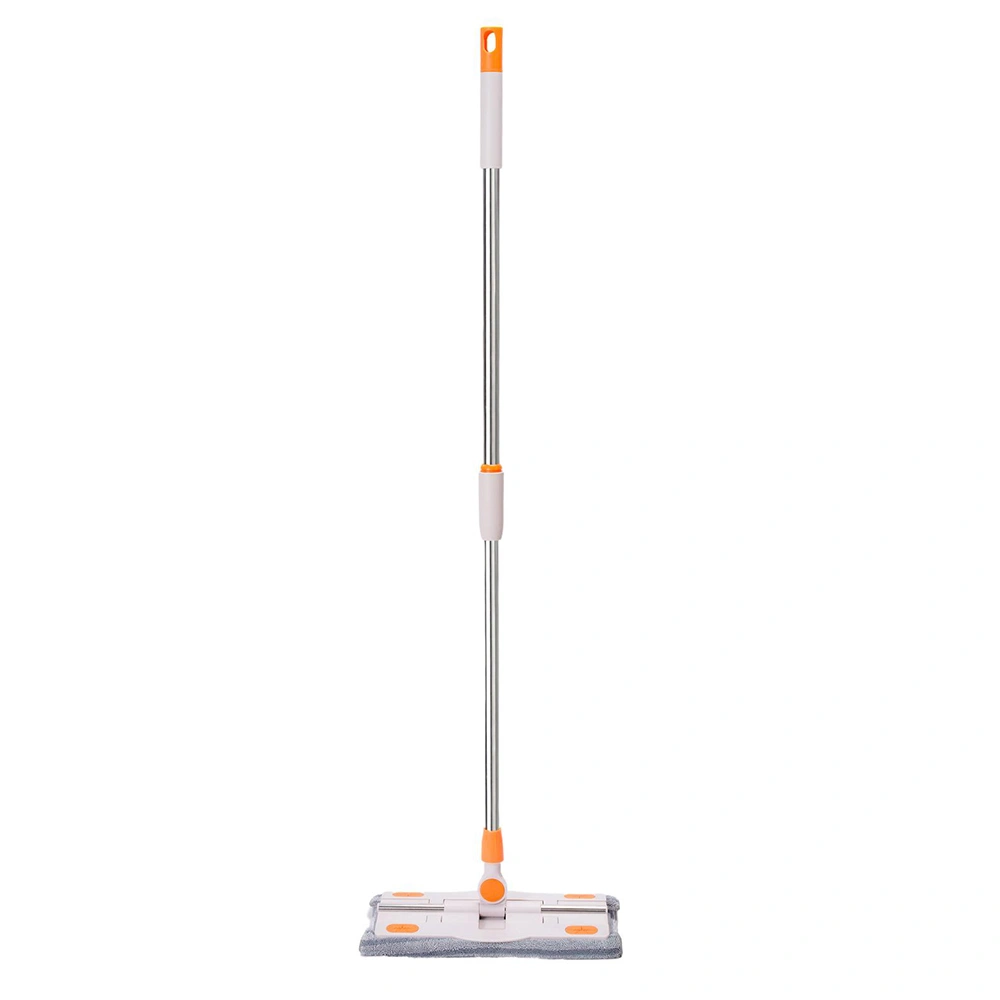
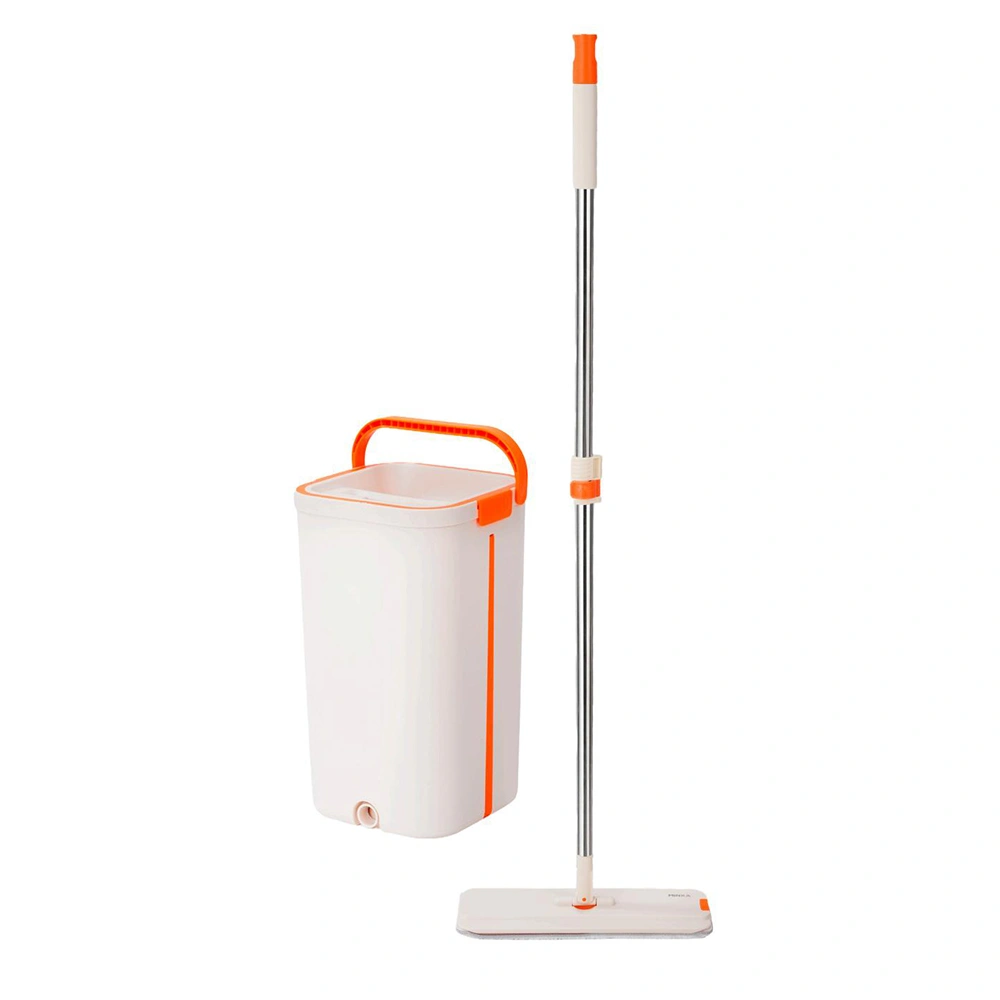
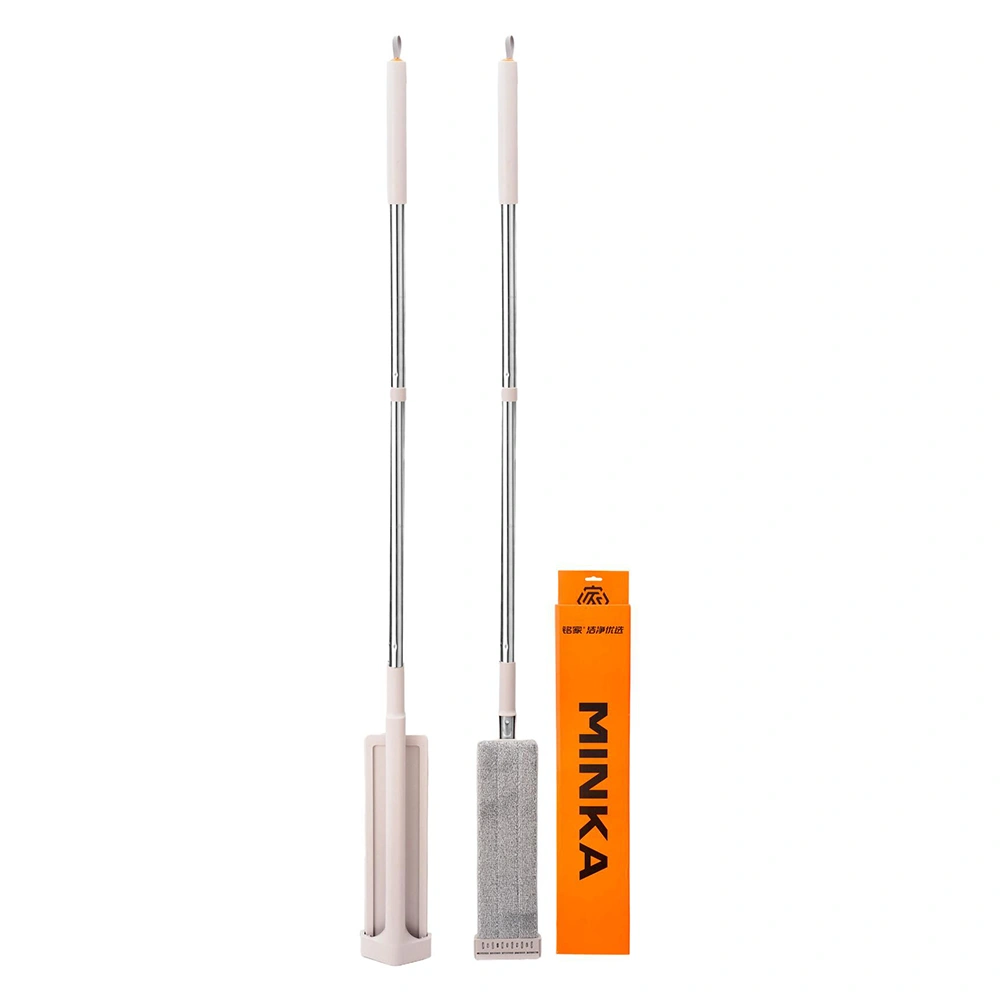
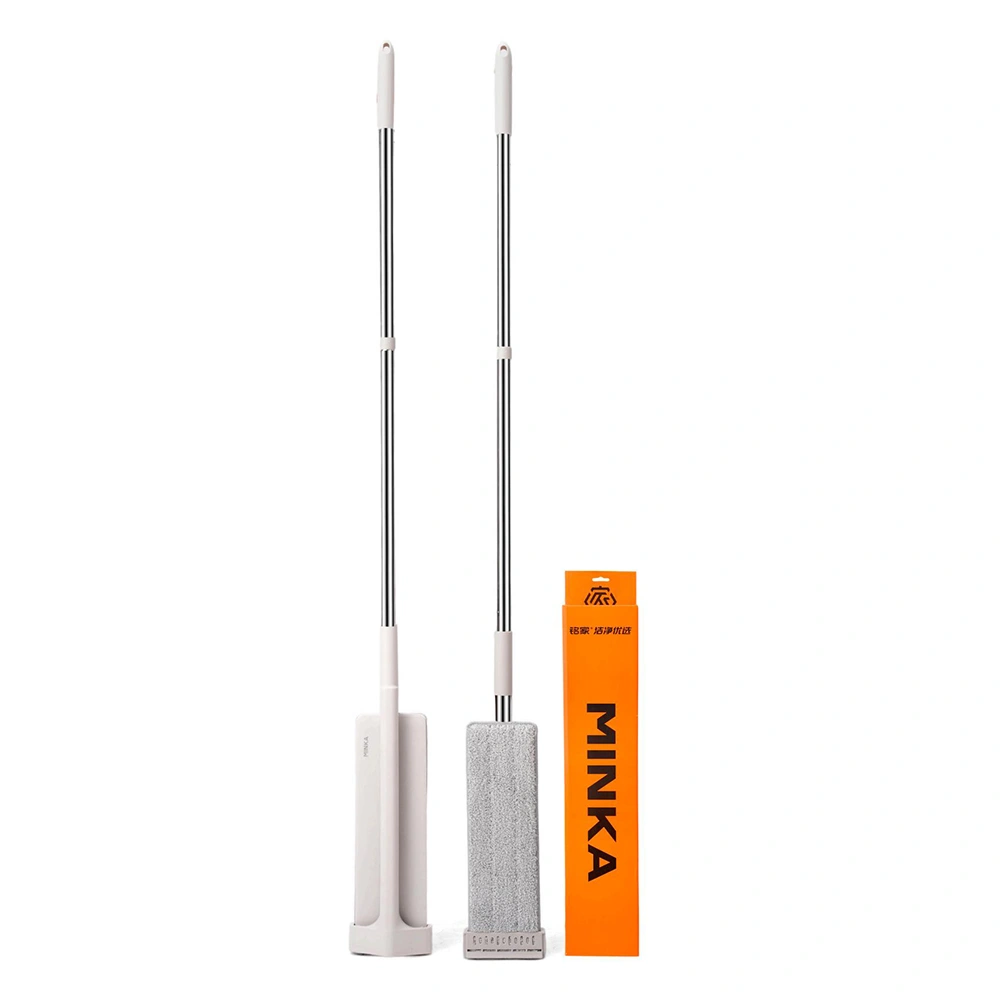
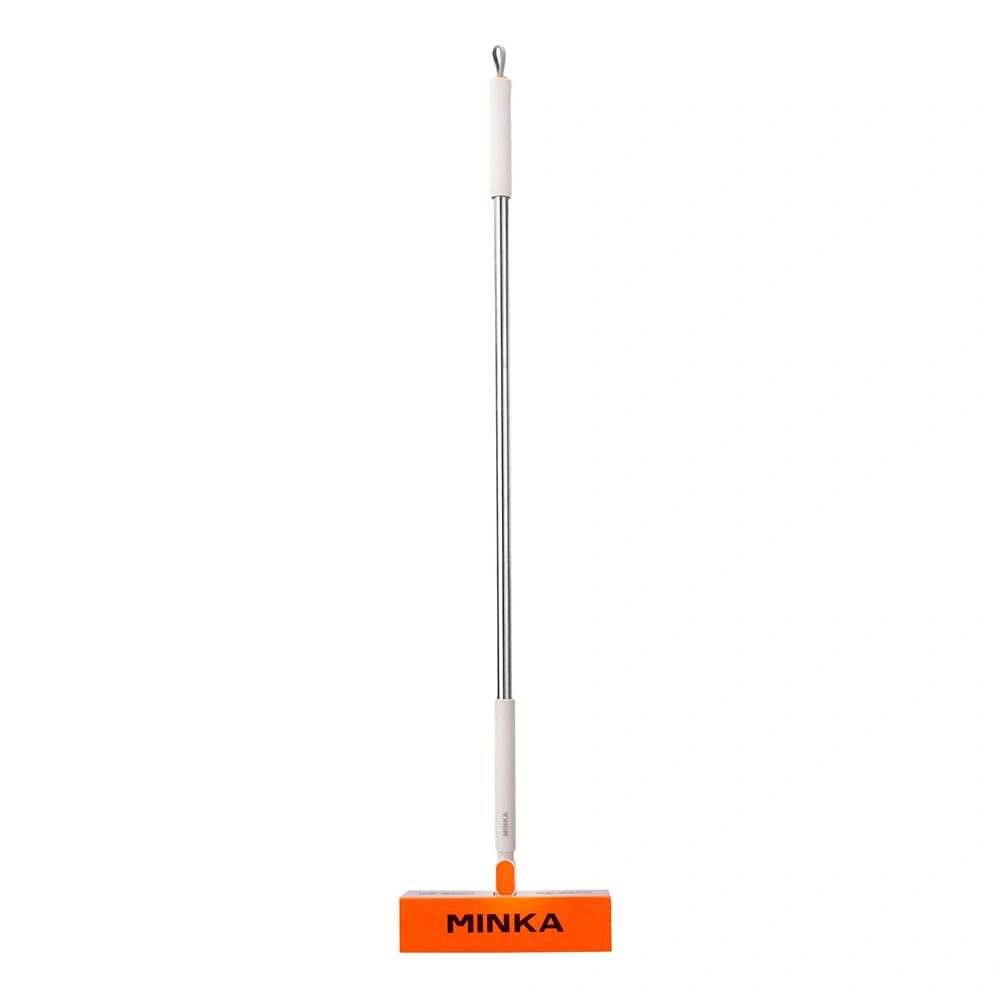
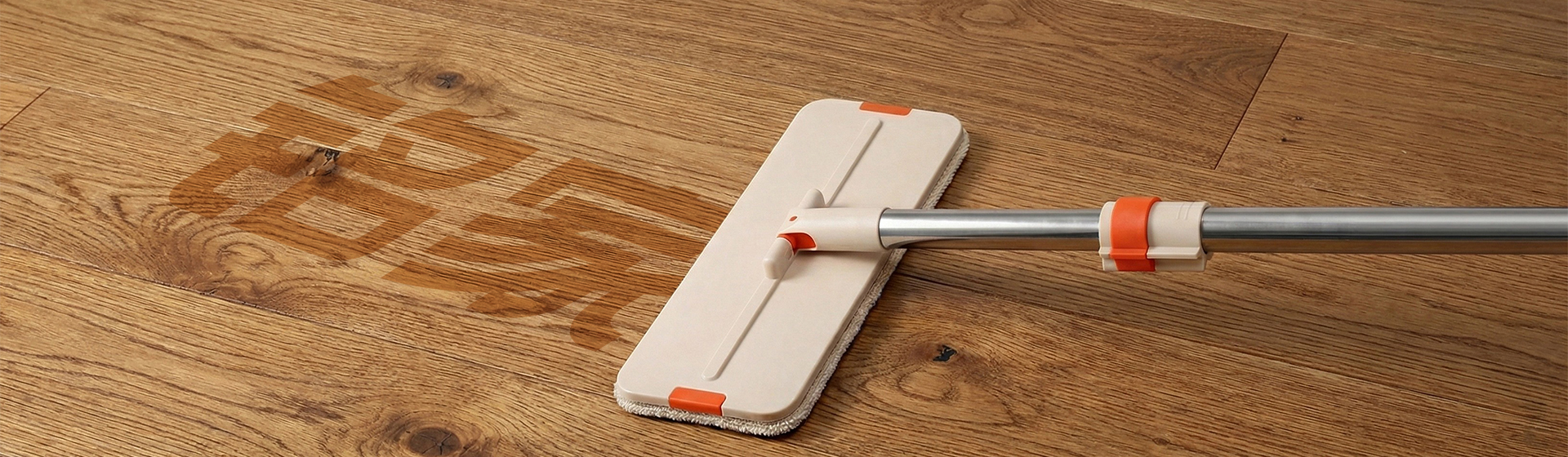
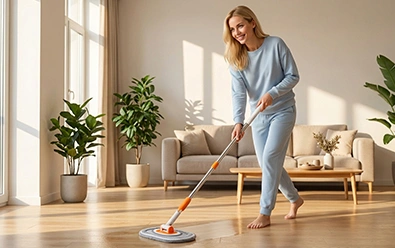
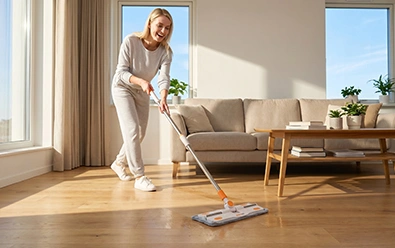
Currently, flat mops remain the most popular choice for floor cleaning. This type of mop is particularly effective at preventing floor damage caused by residual moisture. Flat mops are versatile; they can be used for both wet and dry cleaning, and—by generating static electricity through friction with the floor—they offer exceptional dirt-removal capabilities. When selecting a flat mop, it is highly recommended to choose one featuring a microfiber cleaning pad. Generally, these models deliver superior performance; not only do they possess excellent water absorbency, but the static electricity they generate also effectively attracts and captures dust from the floor—successfully picking up even the finest particles, human hair, and pet fur.
How to Mop Floors for the Cleanest Results
Here is the method:
1. First and foremost, you must thoroughly sweep or vacuum the floor *before* mopping. This prevents residual debris from simply being spread around, which would otherwise result in the floor becoming dirtier rather than cleaner as you mop.
2. Rinse the mop head thoroughly. This step is crucial to ensure that no residual dirt or debris remains on the mop itself.
3. Leave a small amount of moisture on the mop head, and apply a moderate amount of pressure while mopping.
4. Mop the room starting from the interior and working your way toward the exit. A key technique here is to mop in straight, linear strokes; avoid lifting the mop off the floor or crossing over your previous strokes in the middle of a pass.



 浙公网安备33078402101488号